Liquid Wind E-Methanol Bankruptcy Jolts Green Shipping | Mariner News
The news of E-Methanol producer Liquid Wind entering bankruptcy administration has sent a palpable tremor through the global maritime industry, casting uncertainty over the ambitious drive towards sustainable shipping. This development marks a significant setback for the production of green fuels, specifically e-methanol, a crucial pillar in the sector’s decarbonization strategy. Liquid Wind AB, a pioneering Swedish company creating fossil-free marine fuels, has ceased operations and will be liquidated under court supervision. This raises profound questions about the future availability of e-fuels necessary for shipping’s transition. The industry, already grappling with a looming supply deficit, now faces an even more formidable challenge in securing adequate quantities of green methanol. This situation underscores the complexities and financial vulnerabilities in scaling up vital environmental technologies. The blow to this e-fuel maker highlights the precarious balance between innovation and commercial viability, influencing future investment in the green shipping ecosystem.
The Green Promise and Production of E-Methanol
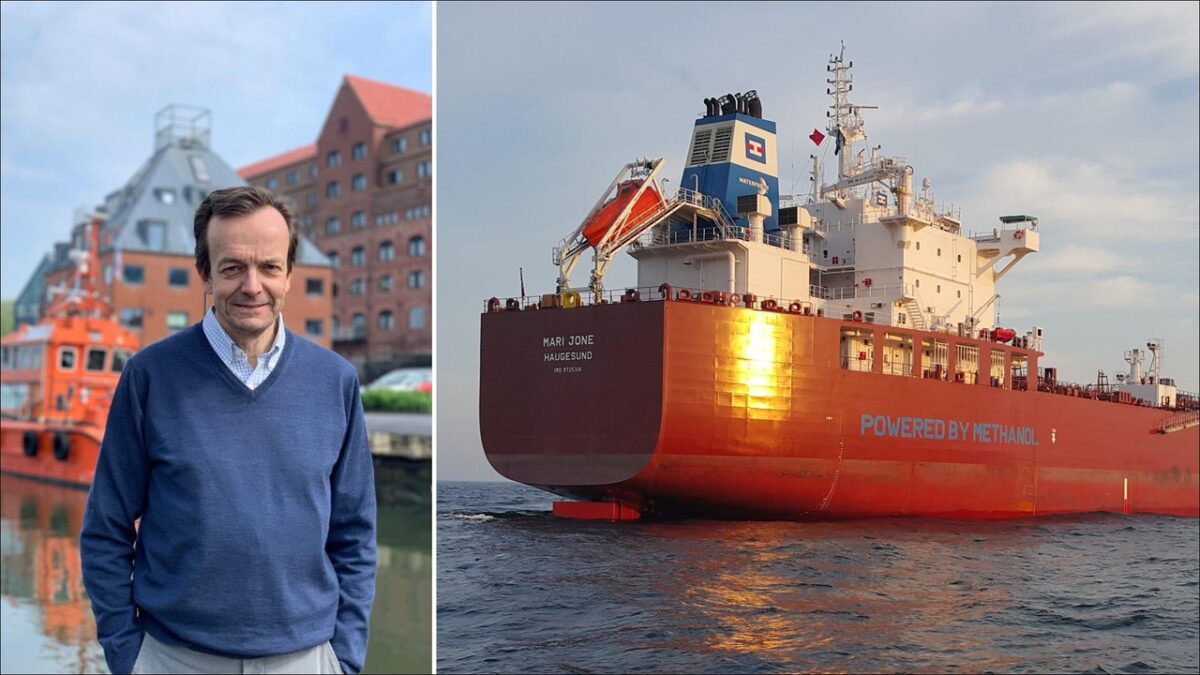
E-methanol, also known as green methanol or synthetic methanol, represents a groundbreaking advancement in renewable energy storage and fuel production, offering a viable pathway to significantly reduce carbon emissions in hard-to-abate sectors like maritime transport. At its core, e-methanol is an electrofuel produced using renewable electricity, captured carbon dioxide (CO2), and green hydrogen from water electrolysis. This process creates a liquid fuel chemically identical to conventional methanol but boasts a net carbon-neutral footprint if CO2 is biogenic and electricity is renewable. For the shipping industry, relying on high energy density fuels and long endurance, e-methanol presents an attractive solution. Its liquid state is compatible with existing bunkering infrastructure or with straightforward vessel modifications, facilitating a smoother transition.
The production cycle of e-methanol is a testament to circular economy principles. It typically involves electrolyzing water using renewable power to produce green hydrogen. Simultaneously, CO2 is captured from sustainable sources like biomass combustion or industrial emissions. These inputs, hydrogen and CO2, are then reacted catalytically to synthesize methanol. This process not only diverts CO2 from the atmosphere but also transforms it into a valuable, storable energy carrier. When used as a marine fuel, its combustion releases CO2, balanced by the CO2 captured during production, creating a closed-loop system. This positions green methanol as a cornerstone fuel for achieving ambitious IMO decarbonization targets. Technical feasibility and environmental benefits have led many shipping lines to invest in methanol-ready vessels, solidifying its place for sustainable maritime operations.
Liquid Wind’s Ambitious Vision and Unexpected Downfall
Liquid Wind AB emerged as a beacon of hope in the nascent e-fuel production landscape, particularly in Scandinavia. The company outlined an ambitious strategy to establish a network of e-methanol production facilities, each designed as a green energy innovation hub. Their vision focused on developing multiple combined heat and power (CHP) projects, strategically located to leverage existing industrial infrastructure and access abundant biogenic CO2 streams. A flagship proposed site was in Örnsköldsvik, Sweden, with Ovik Energi. This plant, like others, aimed to capture biogenic CO2 from biomass and combine it with green hydrogen from renewable electricity to produce high-quality green methanol, ensuring a truly fossil-free and net carbon-neutral product.
Liquid Wind’s long-term objective was transformative: ten such plants operational by 2030, each producing approximately 100,000 tonnes of sustainable methanol annually. For the green shipping industry, the output of a single plant was projected to power one Ultra-Large Container Vessel (ULCV) for a significant portion of its annual steaming time. Such a pipeline promised a substantial contribution to mitigating the anticipated e-fuel supply shortage and accelerating maritime decarbonization. However, despite this clear vision and initial momentum, the company’s journey met an abrupt halt. On Monday, May 14, 2026, Liquid Wind was declared bankrupt, and its management formally handed over to a court-appointed trustee for administration.
Factors contributing to Liquid Wind’s sudden financial distress are common in scaling novel energy technologies: significant capital expenditure, difficulties securing long-term financing, and market volatility. Developing industrial-scale e-methanol plants demands colossal upfront investment, intricate supply chain establishment, and sophisticated technological integration. The immense financial demands, coupled with inherent risks of pioneering a new industry, likely proved overwhelming. This bankruptcy administration not only impacts Liquid Wind’s immediate operations but also creates a ripple effect across its partners, investors, and, most critically, the broader green maritime industry counting on its planned output. The search for a buyer for its assets is underway, but the disruption to its project pipeline is undeniable.
Implications for Green Shipping and the E-Fuel Supply
The news of Liquid Wind’s bankruptcy sends reverberations throughout the entire green shipping ecosystem. For an industry under immense pressure to rapidly decarbonize and grappling with a critical shortage of viable alternative fuels, the loss of a prominent e-methanol producer exacerbates an already precarious situation. Shipowners and operators committed to methanol-ready vessels now face heightened uncertainty regarding the future availability and pricing of their chosen green fuel. The maritime sector’s ambitious emissions reduction targets, including the IMO’s revised strategy for net-zero by or around 2050, heavily rely on a robust and scalable supply of fuels like green methanol. The sudden disappearance of a player like Liquid Wind not only removes projected volumes of sustainable marine fuel but may also deter future investment.
This setback underscores the fragility of the current e-fuel supply chain and highlights the urgent need for a diversified and resilient portfolio of clean energy solutions for shipping. While e-methanol remains a promising pathway, this event reminds us of the significant challenges in bringing novel, capital-intensive technologies to commercial scale. The industry must evaluate its overall maritime decarbonization strategy, potentially accelerating investment in other alternative fuels such as green ammonia or biofuels. Furthermore, the bankruptcy raises questions about investor risk assessment. Ensuring a stable and predictable supply of carbon-neutral fuels is paramount for the maritime industry to meet its environmental obligations without compromising global trade. The capacity to produce sufficient quantities at a competitive price remains a formidable hurdle.
The insolvency of Liquid Wind serves as a potent reminder of the inherent challenges in pioneering new energy solutions for global decarbonization. While this event is a setback for e-methanol production and the broader green shipping agenda, it should not derail the long-term commitment to sustainable maritime operations. Instead, it must prompt the industry to redouble efforts, diversify strategies, and foster greater collaboration among stakeholders. The imperative to find scalable, affordable, and sustainable marine fuels remains strong. Learning from such setbacks will be vital in strengthening resilience and accelerating the pace of the maritime energy transition, ensuring that the vision of a truly green maritime industry ultimately prevails.