Busan Port LNG & Methanol Bunkering Infrastructure | Mariner News
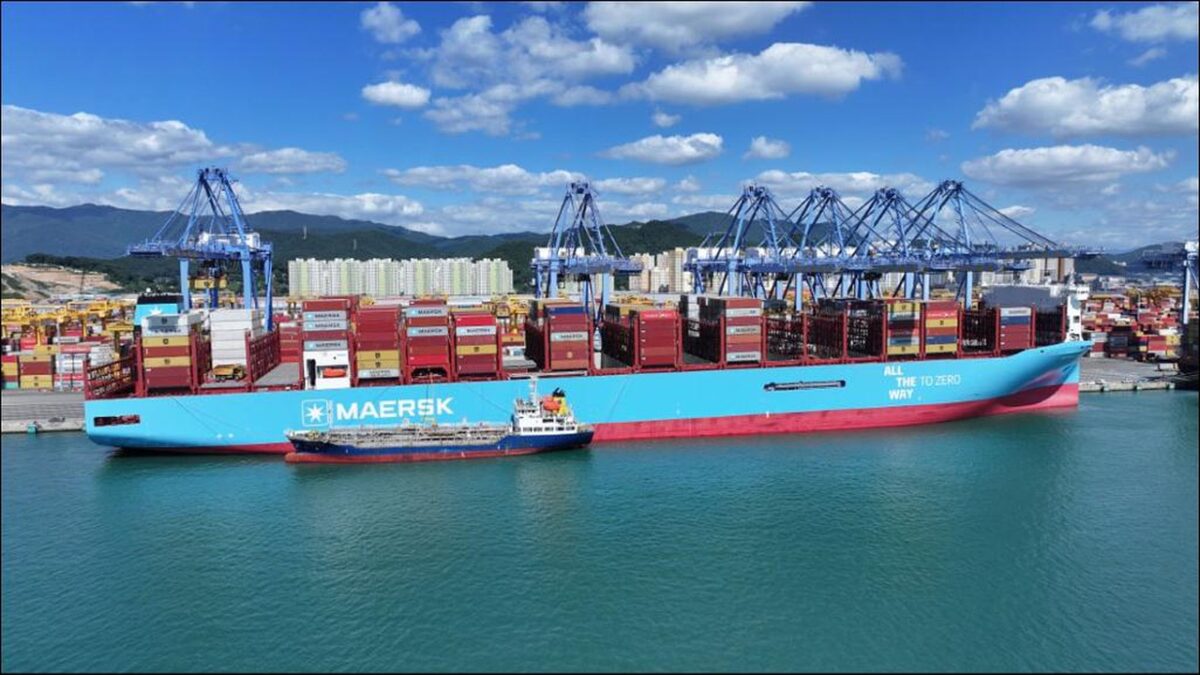
South Korea’s Busan Port Authority (BPA) is making a monumental stride towards a sustainable maritime future with its ambitious plans to develop comprehensive LNG and methanol bunkering infrastructure at Busan New Port. This strategic initiative, slated for completion by 2032, is designed to position Busan as a global leader in the supply of alternative marine fuels, directly addressing the urgent need for decarbonization within the shipping industry. The project signifies a pivotal moment for international shipping, as major ports worldwide grapple with the transition away from conventional fossil fuels. By investing proactively in cutting-edge facilities, Busan Port is not only preparing for the future but actively shaping it, ensuring vessels can access cleaner energy sources efficiently and reliably. This forward-thinking approach underscores Busan’s commitment to environmental stewardship and its role in fostering a more eco-friendly global maritime trade network.
The Strategic Imperative: Decarbonizing Global Shipping
The global shipping industry faces immense pressure to reduce its carbon footprint and mitigate environmental impact. International Maritime Organization (IMO) regulations, such as the IMO 2020 sulfur cap and the upcoming Carbon Intensity Indicator (CII) and Energy Efficiency Existing Ship Index (EEXI), are compelling shipping companies to explore and adopt cleaner energy solutions. Traditional heavy fuel oil contributes significantly to greenhouse gas emissions and air pollution, necessitating a paradigm shift in marine propulsion. As a result, the demand for alternative marine fuels, including liquefied natural gas (LNG) and green methanol, is projected to surge dramatically over the next decade.
Ports like Busan, recognized for their strategic importance in global trade, are at the forefront of this green transition. Developing robust bunkering facilities for these fuels is not merely a regulatory compliance measure but a strategic investment in future economic resilience and environmental responsibility. Ships equipped to run on LNG and methanol emit substantially less sulfur oxides, nitrogen oxides, and particulate matter, and can achieve significant reductions in CO2 emissions, particularly with biomethane or e-methanol. This commitment to sustainable shipping practices enhances a port’s competitive edge and attracts environmentally conscious shipping lines.
Busan’s proactive stance aligns perfectly with global efforts to achieve net-zero emissions targets. By providing the necessary marine bunkering infrastructure, the port facilitates the widespread adoption of these cleaner fuels, accelerating the decarbonization journey for numerous vessels passing through its waters. This foresight ensures that as the global fleet transitions, Busan remains a critical hub, equipped to meet the evolving energy needs of the maritime sector.
Busan Port’s Vision for Green Marine Fuel Hub
The Busan Port Authority’s detailed plan outlines the development of extensive infrastructure to support its vision of becoming a premier green marine fuel hub. The project focuses on approximately 120,000 square meters of land within the southern container hinterland area of Busan New Port. This substantial area will house state-of-the-art facilities designed to handle the growing demand for cleaner bunker fuels efficiently and safely. The strategic location within a major port area ensures seamless integration with existing logistics and shipping operations.
Central to this development are the significant storage capacities planned for both LNG and green methanol. The blueprint includes LNG storage tanks with an impressive capacity of 370,000 cubic meters. Concurrently, dedicated green methanol storage tanks will be constructed, boasting a capacity of 150,000 cubic meters. These substantial storage capabilities are crucial for ensuring a stable and reliable supply of these cleaner marine fuels to vessels calling at Busan Port. Adequate storage is a cornerstone of any effective bunkering operation, minimizing delays and maximizing efficiency for shipping companies.
Furthermore, the infrastructure plan incorporates the development of specialized berthing facilities for bunker vessels. These dedicated berths will enable safe and efficient transfer operations, ensuring that ships can refuel with LNG and methanol without disrupting general cargo or container operations. The integration of advanced bunkering technology and safety protocols will be paramount, reinforcing Busan’s reputation for operational excellence and environmental compliance. This comprehensive approach underscores Busan Port’s commitment to building a robust and reliable alternative fuel supply chain.
Driving Economic Growth and Maritime Leadership
The investment in advanced LNG and methanol bunkering infrastructure is not solely an environmental initiative; it is also a powerful engine for economic growth and a strategic move to cement Busan’s position as a leading global maritime center. By becoming a reliable supply point for next-generation marine fuels, Busan Port enhances its attractiveness to international shipping lines that are increasingly committed to decarbonization. This influx of vessels seeking sustainable bunkering services translates directly into increased port traffic, higher revenue, and expanded trade opportunities.
Beyond direct port operations, this ambitious project is expected to stimulate significant economic ripple effects across various sectors. The construction and maintenance of these sophisticated facilities will create numerous skilled jobs, from engineers and technicians to logistics and administrative personnel. The development of a robust green fuels ecosystem will also foster innovation in related industries, including fuel production, distribution, and maritime technology. This holistic approach strengthens the regional economy and positions Busan at the forefront of the green maritime revolution.
Moreover, by proactively addressing the challenges of maritime decarbonization, Busan Port reinforces its global leadership in maritime logistics and innovation. It sets a precedent for other major ports worldwide, demonstrating how strategic investment in sustainable infrastructure can yield both environmental benefits and competitive advantages. The foresight shown by the Busan Port Authority ensures that Busan remains a vital nexus in global supply chains, equipped for the future of sustainable shipping. This proactive strategy future-proofs the port’s operations and ensures its continued relevance in an evolving global economy.
The Future of Alternative Marine Fuels: LNG and Methanol
Liquefied Natural Gas (LNG) has emerged as a crucial transitional fuel on the path to decarbonization, offering immediate benefits in reducing sulfur oxide (SOx), nitrogen oxide (NOx), and particulate matter emissions compared to traditional marine fuels. While still a fossil fuel, its cleaner combustion properties make it a viable option for meeting current and near-term environmental regulations. The growing fleet of LNG-powered vessels demonstrates the industry’s confidence in its role, and the development of LNG bunkering facilities is essential to support this expanding demand.
Methanol, particularly green methanol produced from renewable sources, represents an even more promising long-term solution for deep decarbonization. It is a liquid fuel at ambient temperatures, making it easier to handle and store than LNG, and offers a clear pathway to net-zero emissions when produced sustainably. Major shipping lines are increasingly investing in methanol-ready vessels, signaling a significant shift in the industry. Busan Port’s commitment to developing methanol bunkering infrastructure places it at the cutting edge of this emerging fuel trend, anticipating future demand and supporting the adoption of truly carbon-neutral shipping.
The dual focus on both LNG and methanol provides shipping companies with flexibility and choice, catering to different vessel types, operational profiles, and decarbonization strategies. This diversified approach to alternative marine fuels ensures that Busan Port can serve a broad spectrum of the global fleet, from those transitioning to cleaner fossil fuels to those aiming for full decarbonization with renewable options. The synergistic development of both fuel types strengthens Busan’s offerings as a comprehensive bunker fuel supply hub, capable of meeting diverse and evolving industry needs.
Collaboration and Implementation: A Phased Approach
The successful realization of such a large-scale and complex project hinges on robust collaboration between various stakeholders. The Busan Port Authority has already initiated this process by holding crucial meetings with industry and government representatives. These discussions are vital for gathering feedback, addressing potential challenges, and ensuring that the proposed marine bunkering infrastructure plan aligns with the needs of shipping companies, fuel suppliers, and regulatory bodies. A collaborative framework helps to streamline approvals, secure necessary investments, and ensure the project progresses smoothly towards its 2032 target.
Implementing this vision will likely involve a phased approach, breaking down the massive development into manageable stages. This strategy allows for continuous assessment, adaptation, and optimization as the project unfolds. Challenges such as land acquisition, environmental impact assessments, securing financing, and integrating new technologies require meticulous planning and execution. The experience and expertise of both public and private sectors will be crucial in navigating these complexities and ensuring the timely delivery of world-class green fuel bunkering facilities.
Furthermore, successful implementation will necessitate adherence to the highest safety standards and the development of skilled personnel to operate and maintain the new infrastructure. Training programs for port staff and bunkering crews will be essential to ensure safe handling and delivery of these specialized fuels. By fostering a culture of safety and operational excellence, Busan Port can guarantee the reliability and security of its new alternative marine fuel supply chain, further enhancing its appeal as a trusted partner in global maritime trade.
Busan Port’s ambitious plan to establish extensive LNG and methanol bunkering infrastructure by 2032 represents a significant leap forward in the global effort to decarbonize shipping. This visionary project is set to transform Busan New Port into a pivotal global hub for cleaner marine fuels, offering stable and reliable supplies of alternative energy options to the international fleet. The strategic investment underscores Busan’s unwavering commitment to environmental sustainability, economic development, and maritime leadership. As the shipping industry navigates the complexities of transitioning to a greener future, Busan Port is clearly positioning itself not just as a participant, but as a driving force in this crucial evolution. This initiative will undoubtedly serve as a blueprint for other major ports worldwide, fostering a more sustainable and environmentally responsible maritime ecosystem for generations to come.