Maersk Headquarters Trespassing: 20 Protestors Charged | Mariner News
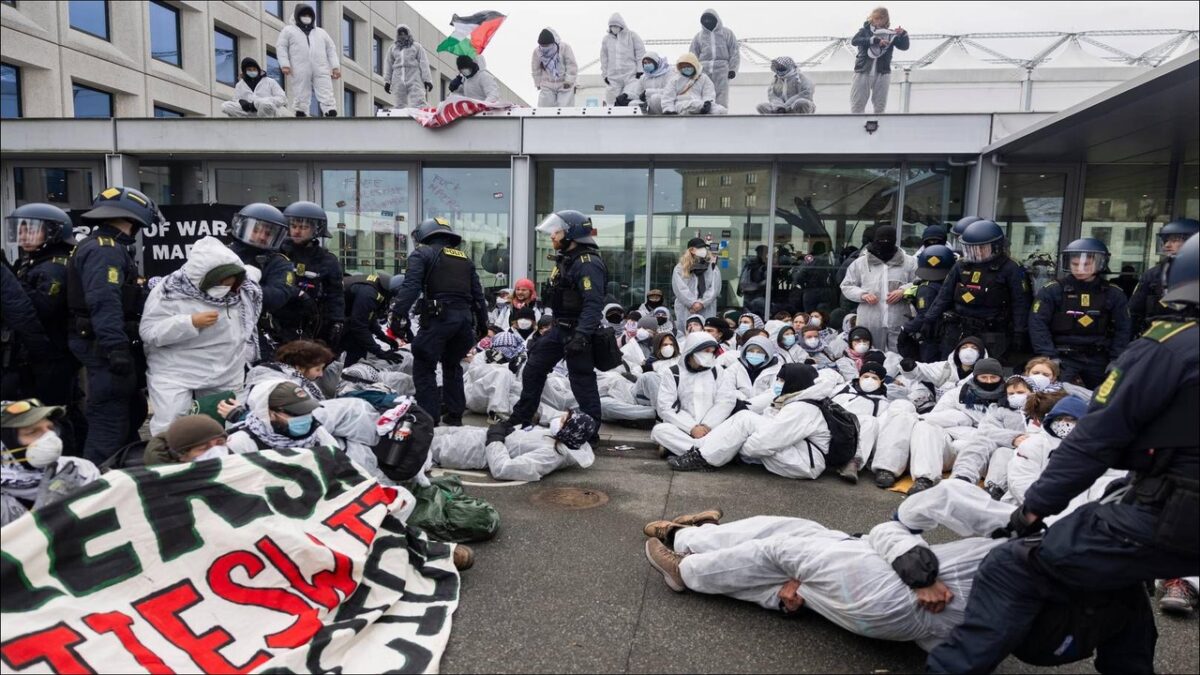
In a significant incident that has drawn widespread attention to corporate activism and security protocols, twenty protestors were formally charged after unlawfully trespassing at Maersk headquarters. The incident, which unfolded recently, saw activists breaching the security perimeter of the global shipping giant’s main offices, leading to a swift response from law enforcement. The charges laid against the individuals underscore the legal risks associated with direct action and civil disobedience, particularly when targeting private corporate property. This event raises critical questions about the balance between the right to protest and the necessity for corporate entities to maintain secure operational environments. The protestors’ motivations, the specifics of their entry, and the subsequent legal proceedings are now under intense scrutiny, highlighting the evolving landscape of corporate engagement and public advocacy within the maritime industry.
The Breach at Maersk Headquarters: A Detailed Account of the Incident
The intrusion at Maersk’s main administrative building was carefully planned, according to initial reports. On the morning of the protest, a group of approximately two dozen individuals converged outside the headquarters, initially staging a peaceful demonstration. However, the situation quickly escalated when a segment of the group, later identified as the twenty charged individuals, bypassed security measures. Eyewitnesses described a coordinated effort where protestors managed to gain entry through a secondary access point, bypassing main reception areas. Once inside, they reportedly displayed banners and chanted slogans related to environmental concerns and corporate accountability, though no significant damage to property was reported at this initial stage.
Within minutes of the breach, Maersk security personnel initiated lockdown procedures and immediately contacted local police. Officers arrived on the scene rapidly, working to contain the situation and identify the individuals involved. The protestors, who had occupied a common area within the building, did not resist arrest once confronted by law enforcement. The apprehension process was largely orderly, avoiding any major confrontations or injuries. This swift and decisive police action led to the identification and detention of all twenty individuals involved in the unauthorized entry. The incident served as a stark reminder of the vulnerabilities faced even by highly secure corporate facilities and the challenges posed by determined activist groups seeking to make a public statement. The immediate aftermath involved extensive interviews and evidence collection to understand the full scope of the security lapse and the protestors’ actions.
Identifying the Protestors and Their Environmental Imperative
The protestors charged after trespassing at Maersk headquarters have been identified as members of a prominent environmental advocacy group, known for its focus on climate change and the impact of global industries. Their primary grievance against Maersk, as articulated in statements released post-arrest, centers on the shipping industry’s substantial carbon footprint and the perceived slow pace of decarbonization efforts. They argue that despite Maersk’s public commitments to sustainability, the company, as a leader in global container shipping, still heavily relies on fossil fuels, contributing significantly to greenhouse gas emissions and ocean pollution. The group’s objective in directly targeting Maersk’s headquarters was to disrupt normal operations, draw immediate media attention to their cause, and pressure the company to accelerate its transition to more sustainable, zero-emission shipping technologies. They emphasized that their actions, while legally questionable, were born out of a desperate urgency to highlight the climate crisis and demand faster, more tangible action from industry giants.
This specific protest is not an isolated event but rather part of a broader global campaign by environmental activists targeting major logistics and shipping companies. These groups often highlight issues such as the use of heavy fuel oil, the impact of shipping on marine ecosystems, and the ethics of global supply chains. By directly confronting companies like Maersk, they aim to raise public awareness, influence consumer choices, and ultimately drive policy changes within the industry. The protestors believe that direct action, including instances of civil disobedience, is a necessary tool to force dialogue and inspire change where traditional lobbying efforts have fallen short. Their demands include faster adoption of alternative fuels, investment in green shipping infrastructure, and greater transparency regarding environmental performance metrics across Maersk’s vast global fleet.
Legal Ramifications: Charges, Court Proceedings, and Precedents
The twenty individuals involved in the Maersk headquarters trespassing incident face a range of legal charges, predominantly related to their unauthorized entry onto private property. The primary charge is likely criminal trespassing, which in many jurisdictions can carry penalties ranging from significant fines to short jail sentences, depending on the severity and any additional aggravating factors. Given the nature of the breach and the potential disruption caused, prosecutors may also consider charges such as public disturbance or obstruction, though initial reports suggest no direct violence or substantial property damage occurred during the apprehension phase. Each protestor will undergo a formal arraignment where they will officially be informed of the charges against them and will enter a plea. Legal representation for the group is reportedly being coordinated through various activist support networks, aiming to provide a unified defense strategy.
Legal experts suggest that while the protestors’ intentions may be rooted in environmental concerns, the act of trespassing on private corporate property is a clear violation of the law. The outcome of these cases often depends on several factors, including the specific laws of the jurisdiction, any prior offenses by the individuals, and the discretion of the courts. In similar past cases involving corporate office invasions by environmental activists, outcomes have varied widely, from suspended sentences and community service to more substantial fines and even brief periods of incarceration for repeat offenders. The legal team for the protestors will likely argue for leniency, emphasizing the motivations behind their actions and the perceived lack of malice or intent to cause harm. However, Maersk, as the aggrieved party, will undoubtedly cooperate fully with legal authorities to ensure the security of its premises and the enforcement of property rights, setting a potential precedent for future protest actions against its facilities or those of other industry leaders.
Maersk’s Official Response and Corporate Responsibility
Following the highly publicized incident of protestors charged after trespassing at Maersk headquarters, the global shipping giant issued an official statement condemning the unlawful entry while reaffirming its commitment to environmental sustainability. Maersk emphasized that it respects the right to peaceful protest but cannot condone actions that compromise the safety and security of its employees and facilities. The company stated that its priority during the incident was to ensure the well-being of its staff and to cooperate fully with law enforcement to resolve the situation safely and efficiently. The breach prompted an immediate review of security protocols across its global offices, with assurances that measures would be enhanced to prevent similar occurrences in the future. The company reiterated its dedication to its ambitious decarbonization goals, including its target for net-zero emissions by 2040 and its investments in green fuel technologies and vessel designs.
Internally, the incident likely spurred a comprehensive reevaluation of Maersk’s corporate social responsibility (CSR) and public relations strategies. While the company has made significant strides in sustainability, the protest highlights a disconnect between its efforts and the demands of more radical environmental groups. Maersk’s response is likely to focus on transparently communicating its progress in sustainable shipping, engaging in dialogue with stakeholders, and reinforcing its stance as an industry leader in responsible logistics. The challenge for Maersk will be to balance its legal right to protect its property with the public perception of its environmental stewardship. The incident underscores the intense scrutiny faced by major corporations and the need for proactive engagement with environmental concerns to maintain trust and legitimacy in a rapidly changing global landscape. This public challenge will undoubtedly influence how Maersk communicates its sustainability journey moving forward.
Broader Implications: Activism and Accountability in the Maritime Industry
The protest at Maersk’s headquarters and the subsequent charging of twenty protestors exemplify a growing trend of direct action targeting powerful corporations, particularly within industries with significant environmental impact. The maritime sector, crucial for global trade, is increasingly under the microscope for its contribution to climate change, pollution, and labor practices. This event serves as a stark reminder that while companies like Maersk are essential for the global economy, they are also expected to uphold high standards of corporate accountability and sustainability. Activist groups are becoming more sophisticated and daring in their methods, recognizing that traditional forms of advocacy may not always yield the urgent results they seek. Such incidents force businesses to confront their environmental responsibilities head-on, compelling them to accelerate investments in sustainable technologies and practices, and to engage more meaningfully with critical stakeholders.
The long-term implications of this protest could extend beyond just Maersk, potentially influencing security measures and public engagement strategies across the entire shipping industry. It highlights the delicate balance between safeguarding corporate assets and responding to legitimate societal concerns. For activists, the incident demonstrates the power of direct action to generate media attention and pressure, even if it comes with legal consequences. For the maritime industry, it underscores the necessity of proactive environmental leadership and robust communication to avoid becoming a target for public discontent. As global warming continues to be a pressing issue, the intersection of corporate power, environmental activism, and legal frameworks will undoubtedly remain a focal point for public discourse, driving ongoing discussions about the future of sustainable global trade and the responsibilities that come with it.