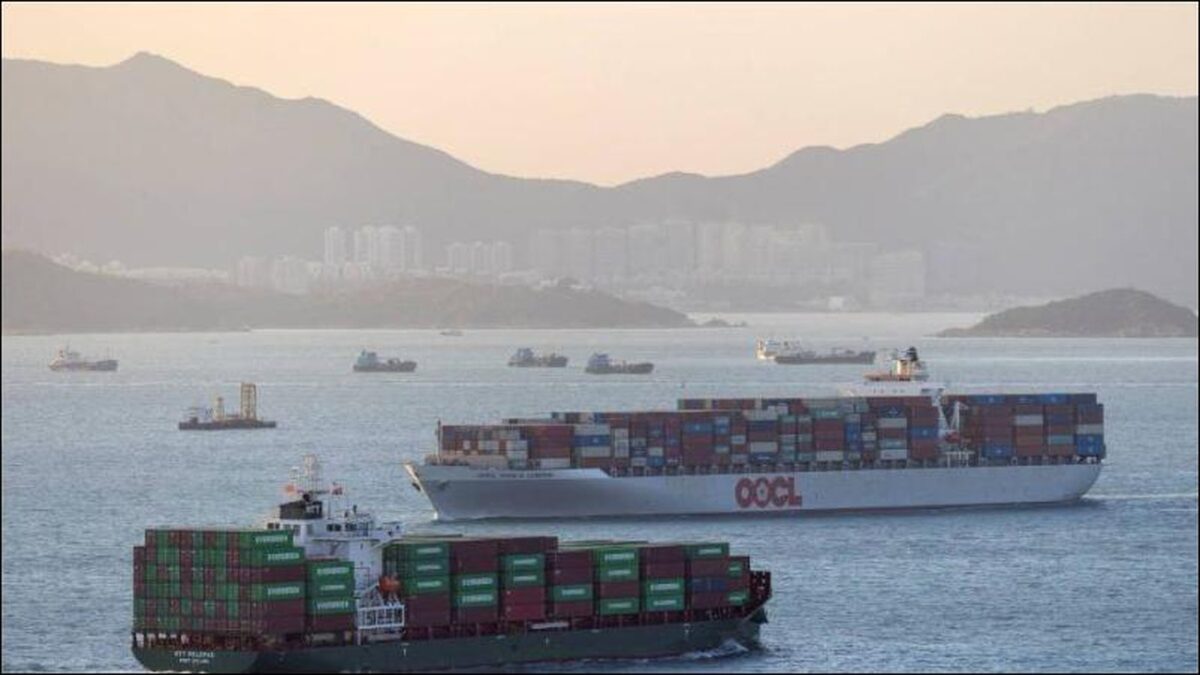
OOCL Appeals USD 45M FMC Fine: Shipping Industry Update | Mariner News
OOCL, a prominent global container shipping line, has initiated an appeal against a substantial USD 45 million fine levied by the United States Federal Maritime Commission (FMC). This significant development in maritime regulation underscores the escalating scrutiny faced by ocean carriers and highlights the complex legal and operational challenges inherent in international trade. The appeal by OOCL is not merely a procedural step; it represents a direct challenge to the FMC’s findings and the imposition of such a considerable penalty, prompting widespread discussion across the container shipping industry and among logistics stakeholders. The outcome of this appeal could set crucial precedents for how regulatory bodies enforce maritime law, particularly in a landscape shaped by recent supply chain disruptions and increased calls for transparency and fairness in carrier practices.
Understanding the Federal Maritime Commission’s Enforcement Power
The Federal Maritime Commission is an independent agency of the U.S. government responsible for regulating the international ocean transportation system for the benefit of U.S. exporters, importers, and the American consumer. Its mandate includes ensuring a competitive and efficient ocean transportation system, preventing unfair practices, and enforcing the Shipping Act of 1984. Over recent years, particularly in the wake of the pandemic-induced supply chain crises, the FMC has significantly intensified its oversight of ocean carriers, focusing on issues such as demurrage and detention charges, service contract compliance, and adherence to fair operating practices. This heightened regulatory environment has resulted in numerous investigations and, subsequently, the imposition of substantial penalties for alleged violations. The USD 45 million fine against OOCL is one of the most significant penalties announced by the FMC, signaling a robust stance on enforcement and a commitment to upholding regulatory standards designed to protect shippers and maintain market integrity. The commission’s actions aim to deter future non-compliance and ensure that ocean carriers operate within the established legal framework, contributing to a more predictable and equitable global trade system. This particular case highlights the FMC’s unwavering resolve to address practices it deems detrimental to the flow of commerce.
The Specifics Behind the FMC Fine Imposed on OOCL
While the exact specifics of the violations leading to the USD 45 million FMC fine against OOCL have not always been exhaustively detailed in public announcements, such penalties from the Federal Maritime Commission typically stem from alleged breaches of the Shipping Act. Common areas of FMC scrutiny, especially following the turbulent period of global supply chain disruptions, include issues related to unreasonable demurrage and detention charges, failure to adhere to service contract terms, discriminatory practices, or other violations related to the fair treatment of shippers. During the peak of congestion and equipment shortages, many beneficial cargo owners (BCOs) and freight forwarders raised concerns about carriers levying excessive charges for delays beyond their control, or for failing to meet their contractual obligations regarding vessel space and equipment availability. It is plausible that the FMC’s investigation into OOCL centered on such practices, evaluating whether the carrier’s operations, policies, or charges during a specific period contravened established regulatory guidelines. The significant monetary value of the fine suggests that the FMC believes the alleged violations were widespread, systemic, or had a substantial negative impact on the shipping public. Understanding these potential grounds is crucial for appreciating the gravity of the charges and the industry context in which the fine was imposed, impacting the broader maritime logistics landscape.
OOCL’s Position and Grounds for Appeal
OOCL’s decision to appeal the USD 45 million FMC fine indicates a strong disagreement with the commission’s findings and the severity of the penalty. While the precise legal arguments OOCL intends to present in its appeal remain confidential, it is common for carriers in such situations to challenge various aspects of the FMC’s case. These challenges might include disputing the interpretation of relevant maritime laws and regulations, arguing that the facts presented by the FMC do not fully or accurately reflect OOCL’s operational realities, or contending that the investigative procedures themselves contained flaws. OOCL might also assert that the fine is disproportionate to the alleged violations or that their actions were consistent with industry standards and operational necessities during an unprecedented period of global trade disruptions. Furthermore, a carrier could argue that any perceived non-compliance was unintentional or resulted from ambiguities in regulatory guidance. For OOCL, a company with a long-standing reputation in global shipping and logistics, appealing such a substantial fine is a strategic move to protect its financial health, uphold its corporate image, and potentially influence future regulatory interpretations. Their appeal underscores a belief that their operational conduct and adherence to agreements were within legal bounds, even amidst challenging market conditions, and that the FMC’s assessment may have overlooked crucial contextual factors.
Broader Implications for the Container Shipping Sector
This high-profile appeal by OOCL against the FMC fine carries significant implications for the entire container shipping sector. Firstly, it sends a clear message to all ocean carriers that the FMC is actively monitoring and enforcing regulations with a renewed intensity, particularly concerning fair commercial practices and compliance with the Shipping Act. This could lead other carriers to re-evaluate their own operational procedures, pricing strategies, and service contract terms to ensure strict adherence to regulatory requirements and avoid similar punitive actions. Secondly, the outcome of the OOCL appeal could establish important legal precedents. If OOCL is successful in overturning or significantly reducing the fine, it might encourage other carriers to challenge FMC decisions, potentially leading to more litigious interactions between regulators and the industry. Conversely, if the FMC’s decision is upheld, it would reinforce the commission’s authority and could embolden them to pursue similar enforcement actions more aggressively in the future. The ongoing dialogue between regulators and carriers is critical for shaping the future of global supply chains, fostering an environment of greater transparency and accountability. The industry will be closely watching for how this case unfolds, as it could influence not only financial liabilities but also the operational freedoms and compliance frameworks that govern international ocean freight, ultimately impacting shippers globally. This legal challenge is a pivotal moment in the evolution of maritime regulation and carrier conduct.
The Road Ahead: Legal Process and Potential Outcomes
The legal process for appealing an FMC decision is typically multi-faceted and can be lengthy. Initially, OOCL would likely present its arguments and evidence to the FMC’s administrative law judges or the commission itself, seeking a review of the original findings and penalty. This stage often involves detailed submissions, legal briefs, and potentially oral arguments from both parties. Should the appeal not result in a satisfactory outcome at the administrative level, OOCL would have the option to seek judicial review in a federal court, elevating the dispute to a higher legal authority. The possible outcomes of this appeal are varied: the fine could be fully upheld, partially reduced, or entirely overturned. There is also the possibility of a settlement being reached between OOCL and the FMC at any stage of the process, which would allow both parties to avoid the uncertainties and prolonged costs of further litigation. The resolution of this case will undoubtedly have long-term consequences, not just for OOCL but for the broader regulatory landscape of the maritime industry. It will provide clearer guidance on the interpretation of carrier responsibilities under the Shipping Act and the extent of the FMC’s enforcement powers. The industry awaits a definitive resolution, which will offer crucial insights into the evolving relationship between global shipping giants and their powerful regulatory overseers.
Conclusion: A Landmark Case for Maritime Regulation
The appeal by OOCL against the USD 45 million fine imposed by the Federal Maritime Commission is a landmark event that underscores the intensifying regulatory pressures within the container shipping industry. This case is far more than just a financial dispute; it is a critical test of regulatory authority, carrier accountability, and the interpretations of maritime law in an increasingly complex global trade environment. The outcome will resonate throughout the logistics and shipping sectors, potentially redefining compliance standards and influencing how carriers operate and interact with regulatory bodies worldwide. As the appeal process unfolds, all eyes will be on the legal arguments presented and the ultimate decision, which will undoubtedly shape the future of international ocean transportation governance and its impact on global commerce. This situation reiterates the importance of robust regulatory oversight in maintaining fair and efficient markets, while also allowing carriers to present their perspectives on navigating an ever-changing industry landscape.