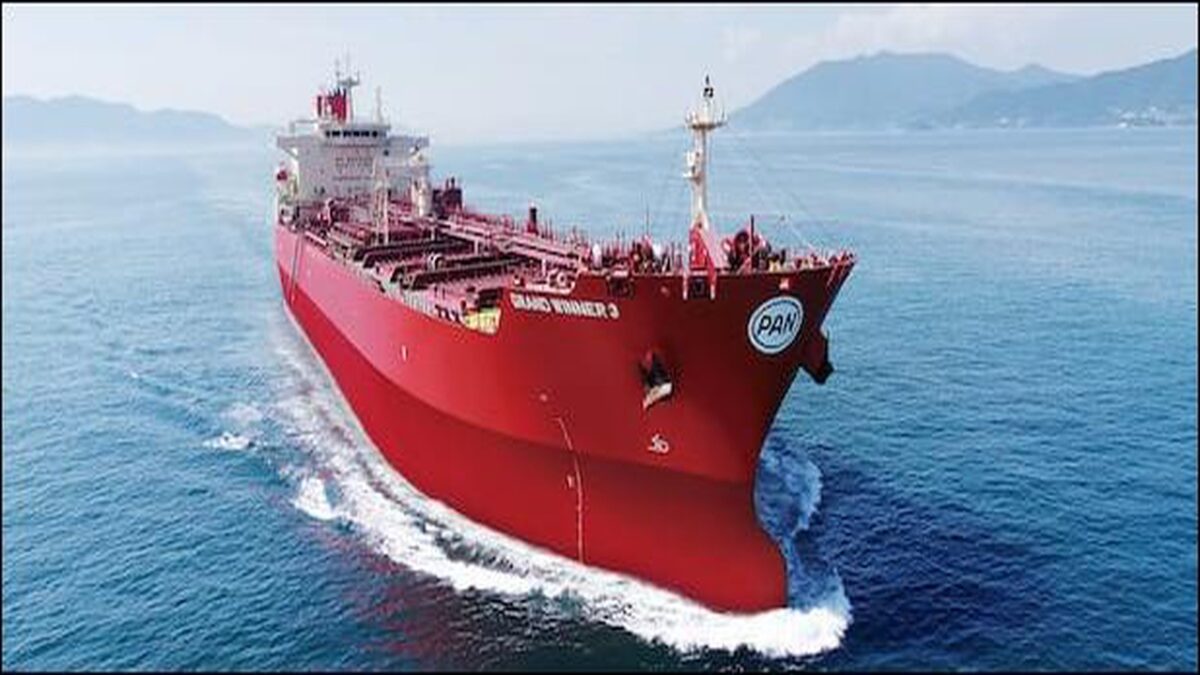
Pan Ocean Expands VLCC Fleet with Four New Orders | Mariner News
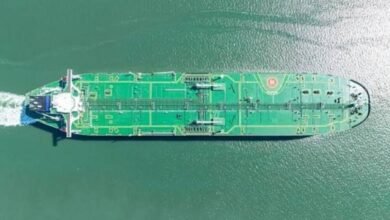
Pan Ocean, a prominent name in global maritime shipping, has made a strategic move to bolster its presence in the highly competitive liquid cargo business. The company recently announced a substantial investment in its tanker fleet, confirming newbuilding orders for four state-of-the-art Very Large Crude Carriers (VLCCs). This significant fleet expansion underscores Pan Ocean’s commitment to enhancing its operational capabilities and strengthening its position within the international crude oil transport sector. The acquisition of these new VLCCs is a direct response to anticipated growth in global energy demand and a proactive step to secure a larger share of the lucrative liquid cargo market, particularly in the domain of crude oil shipping. This ambitious project, valued at 783.4 billion Korean Won, represents a substantial capital outlay, signaling the company’s long-term vision and confidence in the future of maritime trade. The financial commitment, equivalent to 13.7% of its 5.7235 trillion won equity capital, highlights the magnitude and strategic importance of this investment for Pan Ocean’s overall business trajectory and its stakeholders. This move is poised to reshape aspects of the crude oil shipping landscape, reinforcing Pan Ocean’s role as a key player in global energy logistics. The signing of the shipbuilding contracts is slated for the 29th, with the much-anticipated vessel deliveries scheduled sequentially by November 19, 2030, promising a phased yet impactful enhancement to their operational fleet. This forward-looking investment is not just about adding vessels; it is about future-proofing operations, increasing efficiency, and maintaining a competitive edge in a dynamic global market for liquid bulk commodities.
The Strategic Significance of VLCC Fleet Expansion
The decision by Pan Ocean to expand its VLCC fleet is a crucial strategic maneuver in the current global maritime climate. Very Large Crude Carriers are the backbone of international crude oil transport, capable of carrying massive volumes of oil across vast oceanic distances. Their immense capacity makes them highly efficient for long-haul routes, playing a vital role in connecting major oil-producing regions with consuming nations. By investing in these four new VLCCs, Pan Ocean aims to significantly enhance its carrying capacity and expand its service offerings in the liquid cargo business. This expansion is critical for several reasons, primarily to meet the evolving demands of global energy markets, which continue to rely heavily on seaborne crude oil for supply chain stability. The addition of modern, high-capacity crude oil carriers will enable Pan Ocean to secure more lucrative contracts, optimize its route planning, and improve its overall market responsiveness. Furthermore, newbuild vessels typically incorporate the latest technological advancements in fuel efficiency, navigation, and environmental compliance, which are increasingly important factors for charters and regulatory bodies. This makes the investment not only a capacity expansion but also a modernization initiative, ensuring Pan Ocean’s fleet remains at the forefront of the tanker shipping industry. The strategic rationale extends beyond simple volume, touching upon operational excellence, cost-effectiveness, and sustainable shipping practices that are paramount in today’s environmentally conscious world. This proactive investment solidifies Pan Ocean’s commitment to being a leader in the crude oil transport segment, enhancing its logistical prowess for years to come.
Financial Commitment and Future Prospects
Pan Ocean’s financial commitment of 783.4 billion won for the four VLCC newbuilding orders demonstrates a robust belief in the long-term profitability and strategic importance of the liquid cargo business. This substantial investment is a testament to the company’s strong financial health and its willingness to allocate significant capital towards growth initiatives. Such a substantial outlay, representing a notable percentage of its equity capital, indicates a well-calculated decision, likely backed by extensive market analysis and financial projections. The company expects this fleet expansion to yield considerable returns by increasing its market share, optimizing operational efficiency, and capitalizing on the anticipated growth in global crude oil demand. The new VLCCs, upon their staggered delivery through November 2030, are projected to contribute positively to Pan Ocean’s revenue streams and profitability. Moreover, modern crude carriers typically boast lower operating costs due to advancements in engine technology and hull design, which translates into improved profit margins over their operational lifespan. This investment also positions Pan Ocean favorably for future partnerships and charter agreements with major oil companies and traders, who often prioritize modern, reliable, and compliant fleets. The long-term prospects for Pan Ocean appear bright, with this strategic tanker fleet expansion setting the stage for sustained growth and increased shareholder value in the dynamic maritime sector. This fiscal prudence combined with forward-thinking investment ensures Pan Ocean remains a formidable presence in the international shipping arena, ready to adapt to market shifts and seize emerging opportunities in crude oil transport.
The Role of Newbuilding Orders in Modern Shipping
Newbuilding orders, such as Pan Ocean’s recent commitment for four VLCCs, are pivotal to the evolution and modernization of the global shipping industry. These orders stimulate the shipbuilding sector, creating jobs and fostering innovation in maritime engineering. For shipping companies, acquiring new vessels through newbuilding contracts offers distinct advantages over purchasing second-hand tonnage. Newbuilds can be customized to meet specific operational requirements and incorporate the very latest in marine technology. This includes advanced fuel-efficient engines, improved hull designs that reduce drag, sophisticated navigation systems, and enhanced safety features. Critically, these new crude oil carriers will be designed to comply with current and future environmental regulations, such as those set by the International Maritime Organization (IMO), including emissions reduction targets and ballast water management systems. This forward compatibility ensures that Pan Ocean’s fleet remains environmentally responsible and avoids costly retrofits in the future, providing a competitive edge. The scheduled deliveries by November 2030 also provide a clear timeline for integration into Pan Ocean’s existing operations, allowing for meticulous planning and seamless transitions. The influx of new VLCCs into their fleet will not only expand capacity but also likely reduce the average age of their vessels, often leading to lower maintenance costs and higher operational reliability. This continuous renewal process is essential for maintaining a technologically advanced and competitive fleet, particularly in the high-stakes world of crude oil shipping. Pan Ocean’s investment reflects a commitment to leveraging cutting-edge technology for enhanced performance and long-term sustainability in the demanding liquid cargo business.
Pan Ocean’s Vision for Liquid Cargo Dominance
Pan Ocean’s decision to order four VLCCs is a clear articulation of its long-term vision to achieve greater dominance in the liquid cargo business. By expanding its very large crude carrier fleet, the company aims to solidify its market position, offer more comprehensive services to its clients, and increase its overall operational footprint. This strategic investment is designed to enhance competitiveness, not just in terms of sheer capacity but also through improved efficiency, reliability, and service quality. In an industry where reliability and prompt delivery are paramount, a larger, modern fleet allows for greater flexibility in scheduling and responsiveness to market fluctuations. Pan Ocean is looking to become a preferred partner for global energy companies seeking robust and dependable crude oil transport solutions. The expansion will enable them to tap into new routes, manage larger volumes of cargo, and potentially diversify their client portfolio. This focus on liquid cargo is a core component of Pan Ocean’s overarching business strategy, complementing its dry bulk and other shipping segments. By strengthening this particular arm of its operations, Pan Ocean is hedging against market volatilities and capitalizing on a sector with strong, albeit fluctuating, global demand. The enhanced capability in crude oil shipping will inevitably lead to a stronger global presence, demonstrating Pan Ocean’s ambition to be a leader in all facets of maritime transport. The sustained growth and strategic fleet modernization are integral to their pursuit of leadership in the international shipping industry, further solidifying their reputation as a reliable and forward-thinking logistics provider.
Outlook for the Tanker Market and Global Energy Demand
The tanker market, particularly for VLCCs, is intrinsically linked to global energy demand and geopolitical factors. Pan Ocean’s strategic investment comes at a time when long-term projections for crude oil consumption, while subject to energy transition trends, still indicate substantial demand for seaborne transport for decades to come. Developing economies continue to drive energy consumption, and even as renewable energy sources expand, oil remains a critical component of the global energy mix, especially for transportation and industrial processes. Therefore, the need for efficient and reliable crude oil transport, facilitated by vessels like VLCCs, will persist. The market for tankers can be cyclical, influenced by factors such as oil production levels, refinery utilization, geopolitical events, and global economic growth. However, by ordering new, more efficient, and environmentally compliant vessels, Pan Ocean is positioning itself to weather potential downturns and capitalize on market upturns. The phased delivery of these VLCCs through November 2030 allows the company to integrate these assets strategically, aligning with projected market demands and regulatory changes over the coming years. This forward-looking approach minimizes the risk of oversupply upon delivery and maximizes the potential for profitable deployment. The investment also reflects a broader industry trend of fleet modernization to meet increasingly stringent environmental regulations and operational efficiency standards. As the world navigates the complexities of energy security and climate change, the role of sophisticated, high-capacity crude carriers remains indispensable, ensuring the seamless flow of vital energy resources. Pan Ocean’s expansion into this sector is a calculated bet on the enduring significance of oil transport in the global economy, promising a robust future in maritime logistics for years ahead.