Iran Seizes Tanker Linked to Its Own Oil Industry | Mariner News
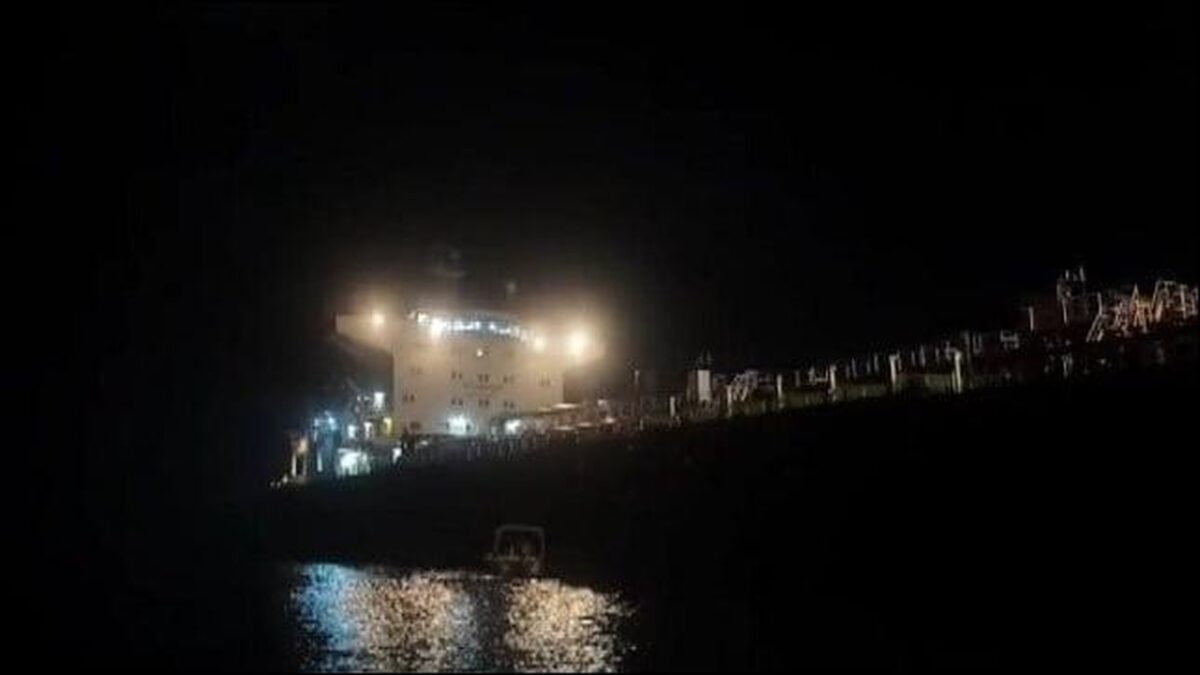
In a move that has sent ripples through the maritime world, Iranian authorities have diverted and seized a tanker, IMO 9255933, currently trading as Jin Li, despite its long-standing links to Iran’s own oil export network. This unprecedented Iran tanker seizure, announced on May 8, 2026, by The Maritime Executive, highlights the complex and often opaque nature of global oil shipping, particularly concerning entities operating outside conventional international frameworks. The incident, details of which remain somewhat shrouded, challenges traditional understandings of state control and commercial interests, prompting widespread speculation about its underlying motives and broader implications for maritime security and the future of Iran’s oil trade.
The Sanctioned Vessel: A Deep Dive into IMO 9255933’s History
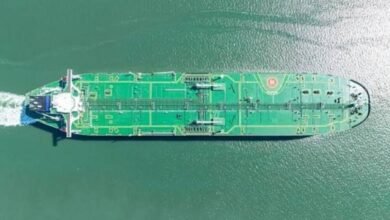
The vessel at the center of this controversy, IMO 9255933, has a notorious history within the maritime industry. Known by several previous names, including Ocean Koi, Cimarron, Daisy 2, and Tania, it has been a crucial player in facilitating Iranian HFO (heavy fuel oil) and condensate exports for many years. Since 2020, this particular oil carrier has been an integral part of what is commonly referred to as Iran’s shadow fleet—a network of vessels that operate under various guises to circumvent international sanctions. Its operations have been under scrutiny for some time, culminating in its sanctioning in February 2026 by the U.S. Treasury, alongside its Shanghai-based owner, Ocean Kudos Shipping Co Ltd.
A significant aspect of this vessel’s recent operational status is its stateless nature. Its flag registration with the Barbados registry ceased last year, a common tactic for vessels seeking to avoid international oversight and operate with greater impunity. This lack of official registration complicates legal jurisdiction and enforcement, making such vessels challenging targets for international maritime law. The U.S. Treasury’s allegations regarding the vessel’s activities have been independently confirmed, with consultancy TankerTrackers.com providing extensive data. According to their findings, over the past five years, IMO 9255933 has undertaken at least 16 voyages laden with Iranian petroleum. Notably, half of these journeys commenced with a ship-to-ship (STS) transfer, a standard procedure within Iran’s clandestine oil shipping network designed to obscure the origin and destination of its cargo. This elaborate system underscores the lengths to which certain actors go to maintain their trade routes outside conventional channels, presenting ongoing challenges for global maritime governance and transparency efforts.
Iran’s Shadow Fleet: A Network of Evasion and Economic Resilience
The concept of a ‘shadow fleet’ is central to understanding Iran’s ability to maintain its oil exports despite stringent international sanctions. These fleets comprise tankers that often engage in deceptive shipping practices—such as disabling their Automatic Identification System (AIS) transponders, conducting illicit STS transfers in open waters, and frequently changing their names and flags (flag hopping) to evade detection. The economic motivations behind Iran’s reliance on such a network are clear: to bypass restrictions imposed by Western nations aimed at curtailing its nuclear program and other activities deemed destabilizing. These covert operations allow Tehran to generate essential revenue from its vast oil reserves, sustaining its economy and funding its geopolitical ambitions.
The shadow fleet’s operational methods are sophisticated, often involving layers of shell companies and complex financial transactions to obscure the beneficial ownership of vessels and their cargoes. This elaborate web makes tracking and enforcing sanctions incredibly difficult, as legitimate maritime actors can inadvertently become entangled in these illicit supply chains. The global reach of this network means that its activities impact not only regional stability but also global energy markets, introducing an unpredictable element into the supply of crude oil and refined products. The existence and continued operation of such a large, unsanctioned fleet represent a significant challenge to the international legal framework designed to regulate maritime trade and prevent illicit financial flows. The ability of vessels to operate as ‘stateless’ entities further exacerbates these issues, creating a legal vacuum that can be exploited by those seeking to circumvent international norms.
Unpacking the Motives: Why Seize a ‘Friendly’ Asset?
Perhaps the most perplexing aspect of this incident is Iran’s decision to seize a tanker so intimately linked to its own energy exports. This action has led to considerable speculation regarding the underlying motivations. Windward, a leading maritime intelligence firm, assesses that the vessel’s seizure is likely “performative.” This suggests the act might be intended to send a message, either internally or externally, rather than representing a genuine dispute with an adversary. Several theories have emerged to explain this unusual move.
One possibility points to internal disputes within Iran’s complex network of entities involved in oil production, shipping, and distribution. It could signal a power struggle between different factions or a dispute over payments, control, or profits within the shadow network. Such internal conflicts are not uncommon in highly sanctioned economies where informal networks often proliferate. Alternatively, the seizure could be a calculated demonstration of authority by the Iranian Navy. By publicly seizing a vessel, even one aligned with its interests, Tehran might be asserting its control over its territorial waters and the broader Persian Gulf region, sending a warning to any entity, domestic or foreign, operating without explicit approval. This display of naval capability and resolve could also be aimed at a domestic audience, projecting an image of strength and unwavering control over national assets.
Another perspective suggests the seizure could be a more overt message to external actors, particularly those involved in imposing or enforcing sanctions. It might be a defiant act against the U.S. Treasury and other international bodies, signaling Iran’s unwillingness to be dictated to regarding its maritime activities. The act could also serve as a potential bargaining chip in future diplomatic negotiations or exchanges, demonstrating Iran’s capacity to disrupt maritime commerce even among its own network. The lack of specific reasons provided by the Iranian Navy for capturing and detaining a previously friendly vessel only adds to the complexity, inviting further analysis into the intricate web of geopolitical maneuvers and economic pressures at play in the region.
Broader Implications for Maritime Security and Global Shipping
The Iran tanker seizure has profound implications for global maritime security and the broader shipping industry. Such incidents inherently heighten the perception of risk for vessels operating in the Persian Gulf and surrounding strategic waterways, including the Strait of Hormuz, a critical chokepoint for a significant portion of the world’s oil supply. This increased risk can lead to higher insurance premiums for shipping companies, potentially impacting global freight costs and, consequently, consumer prices for goods transported by sea.
Furthermore, the ambiguity surrounding the seizure of a stateless vessel presents a unique challenge for international law enforcement and governance. Without clear flag state jurisdiction, the legal recourse for stakeholders, including the vessel’s crew, cargo owners, and potentially its actual operators, becomes incredibly complex. This incident could deter legitimate shipping companies from operating in the region or push more vessels into the unregulated shadow fleet to avoid perceived geopolitical risks. The fluidity of vessel ownership and operational control in such scenarios complicates efforts to ensure safety, environmental protection, and adherence to international regulations.
From a geopolitical standpoint, the seizure could be interpreted as an escalation of tensions in a region already prone to instability. It may prompt other nations to reconsider their naval presence or security protocols in the Gulf, potentially leading to a more militarized maritime environment. The incident also shines a spotlight on the efficacy of sanctions regimes and the innovative methods employed by sanctioned entities to circumvent them. The ongoing cat-and-mouse game between sanctioning bodies and shadow fleets creates a volatile landscape for international trade, making transparent and predictable maritime operations an increasingly rare commodity in certain areas.
The Path Forward: Uncertainty for Iranian Oil and Regional Stability
The immediate future of IMO 9255933 and its crew remains uncertain. Will Iran provide a clearer explanation for its actions, or will the vessel’s fate be decided behind closed doors? The international community, particularly the U.S. and its allies, will be closely watching for any further developments, which could potentially trigger additional sanctions or diplomatic condemnations. This incident serves as a stark reminder of the enduring nature of Iran’s shadow fleet and its strategic importance to the Islamic Republic’s economy. As long as comprehensive sanctions remain in place, Iran will likely continue to innovate and adapt its methods to maintain its oil exports, utilizing a complex network of vessels and deceptive practices.
For global maritime stakeholders, the Iran tanker seizure underscores the need for continuous vigilance and advanced intelligence gathering to navigate the intricate and often perilous waters of international trade. Monitoring by maritime analytics firms and intelligence agencies will be critical in understanding the evolving tactics of shadow fleets and the broader implications for global supply chains. The incident highlights the delicate balance between national sovereignty, international law, and economic necessity in a world increasingly interconnected yet fragmented by geopolitical tensions. Ultimately, achieving greater transparency and stability in maritime operations, particularly concerning oil exports, will require concerted international efforts to address both the symptoms and root causes of such complex challenges.