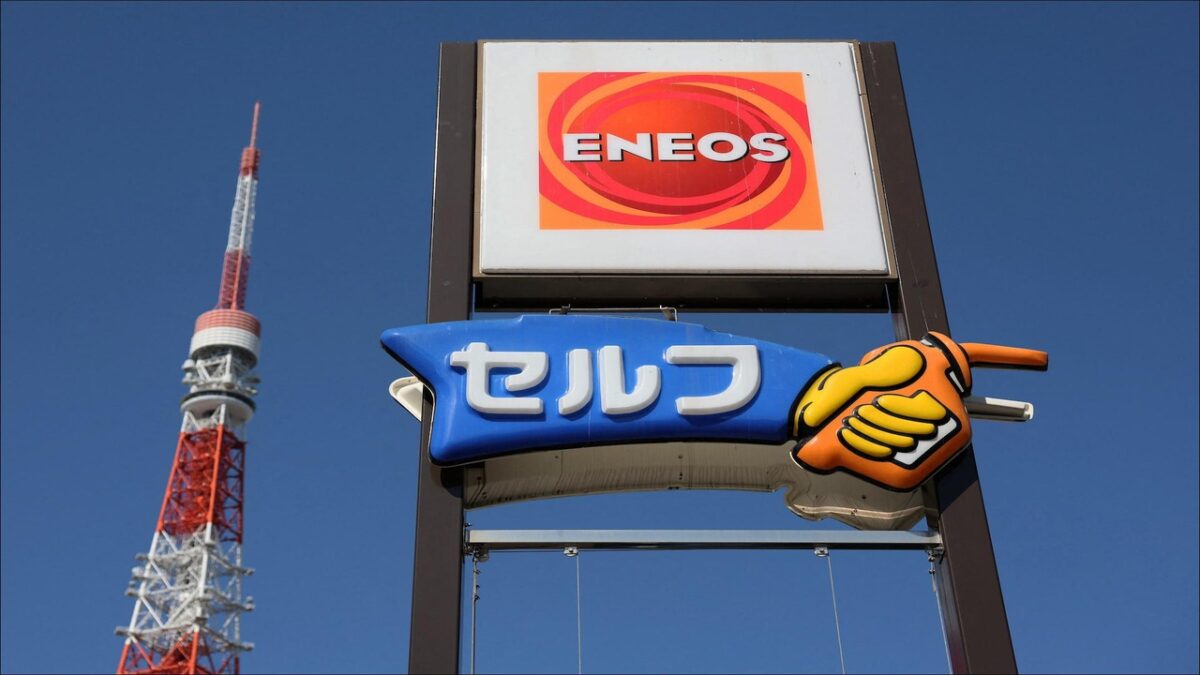
ENEOS Acquires Chevron’s Singapore Refinery Stake | Mariner News
In a significant move poised to reshape the energy landscape across Asia-Pacific, Japanese energy giant ENEOS Holdings has reached an agreement to acquire Chevron’s 50% non-operated stake in the highly strategic Singapore Refining Company (SRC). This landmark ENEOS acquisition forms a crucial part of a broader $2.17 billion deal, encompassing Chevron’s extensive downstream fuels and lubricants businesses throughout Southeast Asia and Australia. The transaction underscores ENEOS’s ambitious drive to expand its regional footprint and solidify its position as a dominant integrated energy provider in a rapidly evolving global market. For industry observers and stakeholders, this deal represents more than just a change of ownership; it signifies a strategic pivot for both companies, reflecting the dynamic forces at play within the petroleum sector and the increasing importance of refining capacity and fuel supply resilience in key maritime hubs like Singapore.
A Landmark Acquisition in Asia-Pacific Energy
This momentous agreement sees ENEOS stepping in to take full control of a vital component of Singapore’s refining infrastructure. The overall acquisition package, valued at approximately $2.17 billion, extends beyond the Singapore Refining Company. It strategically incorporates Chevron’s entire downstream operations across several critical markets including Singapore, Malaysia, the Philippines, Australia, Vietnam, and Indonesia. ENEOS articulated its intention to execute this substantial transaction through a specially established vehicle located in Singapore, signaling a meticulously planned expansion. The deal will grant ENEOS complete ownership of several key Chevron subsidiaries, specifically Chevron Singapore Pte. Ltd., Chevron Malaysia Limited, Chevron Philippines Inc., Chevron Australia Downstream Holdings Pty, and PT Chevron Oil Products Indonesia. This comprehensive scope highlights ENEOS’s commitment to achieving a robust, integrated supply chain spanning a significant portion of the Asia-Pacific region.
The strategic rationale behind this massive divestiture by Chevron is clear: focusing on its core upstream assets and higher-growth ventures, while ENEOS actively pursues an aggressive strategy of expanding its downstream refining and marketing capabilities. This symbiotic exchange allows Chevron to streamline its portfolio and ENEOS to capitalize on well-established assets and market share in critical energy consumption zones. The move is a testament to the ongoing consolidation and strategic re-evaluation occurring within the global energy industry, where companies are constantly optimizing their asset bases to align with long-term growth objectives and shareholder value.
Singapore Refining Company: A Crucial Regional Asset
At the heart of this transformative deal lies the Singapore Refining Company (SRC), a formidable industrial complex situated on Jurong Island, Singapore. SRC boasts an impressive crude processing capacity of 290,000 barrels per day, making it a significant player in the region’s refining landscape. This state-of-the-art facility is renowned for producing a wide array of petroleum products, including gasoline, diesel, jet fuel, and, crucially, a substantial volume of bunker fuels. Its strategic location within one of the world’s busiest shipping lanes and largest bunkering ports underscores its immense value. The refinery’s operational excellence and product diversity are key attributes that make it such a coveted asset for any energy major aiming to strengthen its market presence in Asia. The capacity to supply maritime fuels directly contributes to Singapore’s unparalleled status as a global hub for ship refueling, a position that the city-state fiercely maintains and continually enhances.
The refinery’s importance extends beyond its sheer processing capacity. It represents a cornerstone of Singapore’s energy security and industrial infrastructure, contributing significantly to the national economy and employment. For ENEOS, acquiring a direct stake in such a well-established and strategically located refinery offers immediate advantages in terms of supply chain optimization, operational synergies, and direct access to key markets. The consistent output of high-quality petroleum products, particularly marine fuels, provides ENEOS with a powerful platform to meet the growing demand from the global shipping industry, which relies heavily on Singapore for its bunkering needs. This acquisition solidifies ENEOS’s control over a critical supply node for the maritime fuel sector.
ENEOS’s Strategic Expansion and Downstream Dominance
This ambitious acquisition unequivocally cements ENEOS’s strategic intent to bolster its downstream operations across the vibrant economies of Southeast Asia and Australia. By integrating Chevron’s established networks and refining capacity, ENEOS is poised to achieve greater operational efficiency, enhance its market penetration, and diversify its product offerings. The move aligns perfectly with ENEOS’s broader vision of becoming a leading integrated energy company, capable of managing the entire value chain from crude oil procurement and refining to marketing and distribution of petroleum products. This comprehensive approach is designed to create resilient supply chains and offer stable, competitive energy solutions to a vast customer base spanning multiple industries and consumer segments.
For ENEOS, this is not merely an asset purchase but a strategic platform for future growth and diversification. The acquired entities, including Chevron Singapore Pte. Ltd., come with established customer relationships, experienced personnel, and a proven track record in the respective markets. Chevron Singapore, for instance, has historically been recognized among the top bunker suppliers in Singapore, a testament to its operational scale and market influence. By taking over these operations, ENEOS gains immediate access to a substantial market share and valuable local expertise, accelerating its regional expansion plans and reinforcing its competitive edge against other international and local energy players. The acquisition also positions ENEOS to better navigate the complexities of regional energy demand and supply dynamics, enabling more agile and responsive market strategies.
Implications for the Global Bunker Fuel Market
The change in ownership of a significant refinery like SRC, with its substantial output of bunker fuels, is bound to send ripples through the global bunker fuel market, particularly in the critical Singapore hub. Singapore consistently ranks as the world’s largest bunkering port, supplying millions of metric tons of marine fuel to vessels traversing international shipping lanes annually. The presence of a major player like Chevron Singapore in this market has historically played a vital role in maintaining supply stability and competitive pricing. With ENEOS now at the helm, the market will keenly observe any potential shifts in supply strategies, pricing policies, and overall competitive dynamics.
While the immediate impact on global bunker fuel prices and availability might be negligible, given the long lead time for the deal’s closure and the competitive nature of the Singapore market, the long-term implications are noteworthy. ENEOS’s entry as a more dominant player could introduce new efficiencies or, conversely, create new competitive pressures. Shipowners and bunker traders will be evaluating how ENEOS integrates these assets and whether its operational philosophy will lead to new opportunities or challenges. The continuity of high-quality bunker fuel supply from SRC under ENEOS’s management will be crucial for maintaining Singapore’s reputation as a reliable maritime fueling station. Furthermore, as the shipping industry grapples with decarbonization targets, ENEOS’s future strategy regarding lower-carbon marine fuels produced at SRC will be of particular interest.
Navigating Regulatory Approvals and Future Outlook
This massive transaction is not without its complexities. The deal is currently slated for closure in 2027, a timeline that underscores the significant regulatory hurdles and administrative processes involved in such an expansive, multi-jurisdictional acquisition. Regulatory bodies in Singapore, Australia, and other involved countries will meticulously review the acquisition to ensure compliance with competition laws and to assess its potential impact on market concentration and consumer welfare. Such extensive reviews are standard practice for deals of this magnitude, reflecting the importance of maintaining fair competition within critical economic sectors. Both ENEOS and Chevron will be working closely with relevant authorities to secure the necessary approvals, which is a prerequisite for the successful completion of the transaction.
Looking ahead, the long-term impact on ENEOS’s regional portfolio is expected to be transformative. By integrating these downstream assets, ENEOS is strengthening its position against a backdrop of increasing volatility in global energy markets. The acquisition enhances its resilience and provides a more diversified revenue stream. For the broader energy market, this deal signals a continued trend of strategic consolidation and realignment, as traditional oil majors adapt to evolving market conditions, including the accelerating energy transition. The ability of integrated energy companies like ENEOS to efficiently manage refining capacity and fuel supply will remain paramount in the foreseeable future, even as the world progressively shifts towards more sustainable energy sources.
ENEOS and Chevron: A Shifting Global Energy Landscape
This ENEOS acquisition of Chevron’s refining and downstream assets is emblematic of the broader shifts occurring within the global energy landscape. Major international oil companies like Chevron are increasingly divesting non-core assets, particularly in the refining and marketing sectors, to concentrate capital on upstream exploration and production, or to pivot towards new energies and decarbonization initiatives. These divestments allow them to optimize their portfolios, reduce exposure to fluctuating refining margins, and free up capital for strategic investments aligned with long-term energy transition goals. For Chevron, this move aligns with its global strategy of streamlining operations and enhancing capital efficiency.
Conversely, ENEOS is pursuing an aggressive expansion strategy, aiming to solidify its position as a leading integrated energy company in Asia. By acquiring well-established and profitable downstream assets, ENEOS is building a robust foundation for sustainable growth and operational synergy. The integration of refining capabilities with extensive distribution networks across key Asian markets provides ENEOS with a powerful competitive advantage. This strategic move enables ENEOS to not only meet the immediate energy demands of the region but also to position itself for future opportunities in the evolving energy mix. The acquisition represents a confident step by ENEOS to cement its role in powering Asia’s economic growth and ensuring reliable fuel supply for industries, including the vital maritime sector.
In conclusion, ENEOS’s agreement to acquire Chevron’s 50% stake in the Singapore Refining Company, alongside a substantial portfolio of downstream businesses across Asia-Pacific, marks a pivotal moment for the regional energy sector. This strategic ENEOS acquisition significantly strengthens the Japanese energy conglomerate’s presence, particularly in the critical areas of refining and bunker fuel supply, while allowing Chevron to optimize its global asset base. As the deal moves towards its anticipated 2027 closure, industry stakeholders will closely monitor the integration process and its long-term implications for energy security, market dynamics, and the broader global maritime fuel landscape, affirming ENEOS’s enhanced role as a key player in Asia’s energy future.