Somali Piracy Morphing into High-Precision Business | Mariner News
For years, the specter of Somali piracy has loomed over the critical shipping lanes of the Indian Ocean and the Red Sea, but recent analyses reveal a significant and unsettling evolution: Somali piracy is morphing into a highly organized, high-precision business. No longer simply opportunistic attacks, these operations are becoming sustainable and strategically planned, posing renewed threats to global maritime security and merchant shipping. This transformation demands a re-evaluation of current security protocols and a more robust, coordinated response from the international community and shipping companies alike.
The strategic shift by pirate groups leverages advanced planning and logistics, enabling them to operate with unprecedented reach and resilience. This alarming development underscores the ongoing vulnerability of commercial vessels navigating these crucial maritime arteries, particularly impacting tanker traffic and other high-value cargo ships. The increasing sophistication of pirate operations highlights a persistent challenge that continues to influence global trade routes and the safety of mariners worldwide.
The Evolving Tactics of Somali Piracy
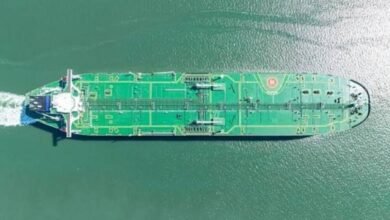
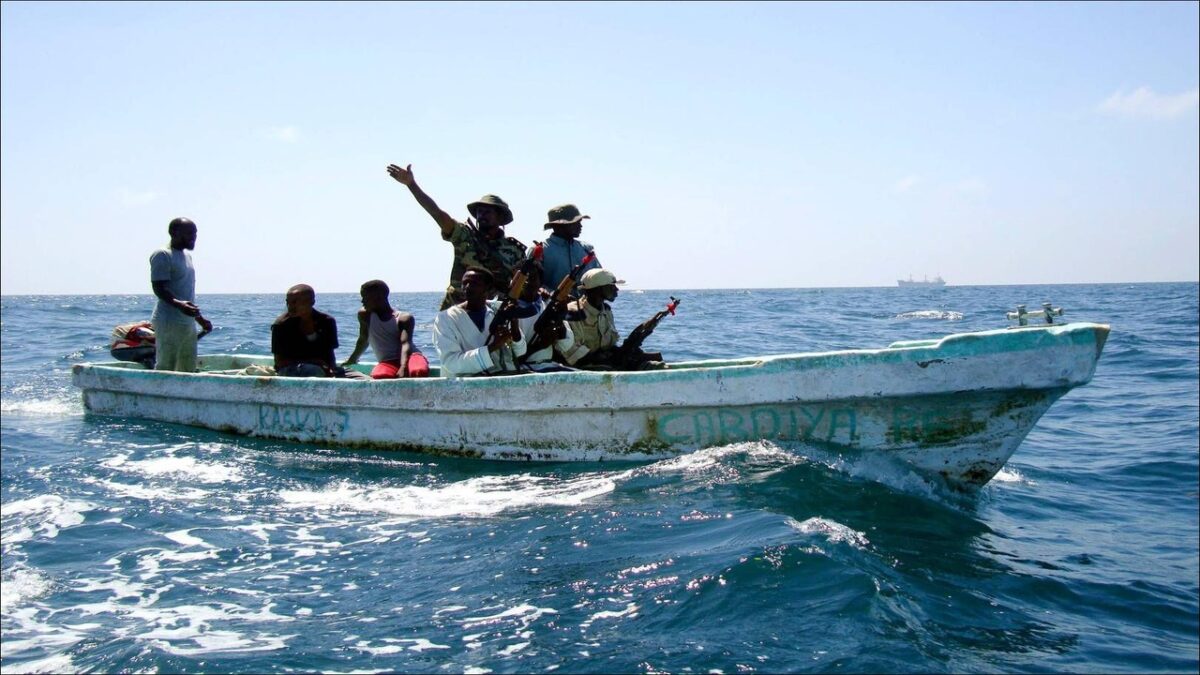
Historically, Somali pirates were often depicted as small, fast skiffs launching opportunistic raids. However, intelligence gathered by maritime security researchers indicates a profound shift towards more sophisticated, business-like operations. A key innovation in their strategy is the widespread use of hijacked vessels as ‘mother ships.’ These larger ships, some reportedly as vast as supertankers, allow pirate groups to extend their operational range far further out to sea than ever before. This significantly increases the geographical scope of their threat, making it harder for naval forces to predict and intercept.
Crucially, these mother ships also enable pirates to operate throughout the stormy monsoon season, a period when rough seas previously limited their activity. By providing shelter, supplies, and a stable platform, these vessels grant pirates a year-round capability, eliminating the seasonal lulls that once offered some respite to shipping companies. This operational sustainability makes their business model more robust and resilient, demonstrating a clear focus on long-term profit and organizational endurance.
The precision aspect of these operations points to improved intelligence gathering and coordination. Pirates are not just randomly attacking; they are increasingly targeting vessels based on perceived value, vulnerability, and cargo. This calculated approach transforms what was once a hit-and-miss endeavor into a more predictable, albeit dangerous, enterprise, underscoring the urgent need for enhanced maritime security measures and proactive threat assessment.
Heightened Risks in Critical Maritime Chokepoints
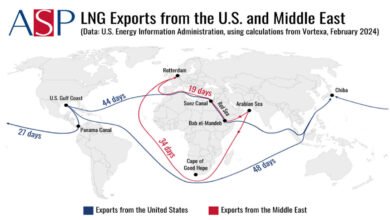
The Red Sea, a vital conduit for international maritime trade, has seen a recent uptick in vessel transits, inadvertently creating new opportunities for Somali pirates. Several factors contribute to this surge in traffic. A significant driver is the temporary ceasefire between Israel and Hamas, which has stabilized some regional dynamics, encouraging more ships to utilize the Suez Canal route into the Red Sea. Furthermore, an increase in tanker traffic through the Saudi port of Yanbu is observed, largely due to the Strait of Hormuz remaining closed for regular business, diverting oil shipments through alternative routes.
This confluence of events has resulted in a denser concentration of merchant ships, particularly oil tankers and supertankers, navigating the Red Sea and its exit points into the Gulf of Aden. Such high-density traffic in these critical chokepoints presents a more target-rich environment for sophisticated pirate groups. The increased flow of valuable cargo, combined with the complexities of monitoring vast stretches of international waters, makes these areas particularly susceptible to piracy incidents.
The heightened activity in these regions necessitates a sharper focus on vessel protection and proactive maritime security strategies. Shipping companies operating in these waters must be acutely aware of the elevated risks and adapt their security protocols accordingly to safeguard their valuable cargo and, most importantly, the lives of their mariners. The strategic importance of these lanes for global trade underscores the gravity of this renewed threat.
The Imperative for Enhanced Maritime Security Measures
The worsening situation makes it almost inevitable that today’s merchant ships will need to invest in their own armed protection, according to maritime security experts. The presence of trained security personnel on board acts as a significant deterrent, often preventing pirates from attempting to board vessels. This trend towards onboard armed guards is a direct response to the evolving nature of Somali piracy and the recognized limitations of international naval patrols covering vast expanses of ocean.
Beyond armed guards, a multi-faceted approach to maritime defense is crucial. This includes employing advanced surveillance technologies, such as improved radar systems, satellite tracking, and real-time intelligence sharing platforms. These tools allow shipping companies and naval forces to monitor suspicious activity, identify potential threats early, and respond effectively. Adherence to Best Management Practices (BMP5) – a set of guidelines for transit security – also remains paramount for vessel operators navigating high-risk areas.
International cooperation among naval forces from various countries plays a vital role in maintaining a presence and conducting anti-piracy operations. However, the sheer scale of the oceans and the adaptive nature of pirate groups mean that no single solution is sufficient. A combination of robust onboard security, technological advancements, proactive intelligence, and collaborative naval efforts is essential to mitigate the risk and ensure mariner safety and the continuity of global commerce.
Economic Repercussions and Global Trade Impact
The resurgence and evolution of Somali piracy carry significant economic repercussions that ripple through global trade. Shipping companies face increased operational costs, primarily in the form of elevated insurance premiums for vessels transiting high-risk areas. These additional costs are often passed on to consumers, ultimately affecting the price of goods transported via sea. Furthermore, the need for armed security teams, enhanced security equipment, and sometimes even re-routing vessels to avoid dangerous zones all contribute to a substantial financial burden on the shipping industry.
Beyond direct costs, piracy introduces inefficiencies and delays into the global supply chain. When ships are hijacked, ransoms can amount to millions of dollars, and the prolonged captivity of crews and vessels incurs further economic losses. The disruption to the timely delivery of goods, particularly critical commodities like oil, can destabilize markets and impact economic stability in importing nations. This is especially pertinent given the increased tanker traffic through the Red Sea.
Ultimately, maritime insecurity impacts global commerce by raising the cost of transportation, increasing risk, and potentially deterring investment in certain trade routes. The cumulative effect of these factors can impede economic growth and development, particularly for countries heavily reliant on sea-borne trade. Addressing Somali piracy is not just a security imperative; it is an economic necessity to protect the arteries of global trade.
The Future Landscape of Maritime Threat and Response
The transformation of Somali piracy into a high-precision business signals that the maritime threat is dynamic and persistent. As long as underlying socio-economic factors in Somalia remain unaddressed, pirate groups will continue to seek opportunities to exploit vulnerabilities in global shipping. The adaptive nature of these criminal enterprises means that counter-piracy strategies must also continuously evolve, remaining agile and responsive to new tactics and technologies employed by pirates.
Future responses will likely require even greater emphasis on intelligence sharing among nations, private security firms, and shipping companies. Proactive risk management, including detailed threat assessments for specific routes and cargo types, will become standard practice. Investment in advanced reconnaissance and surveillance capabilities will be crucial for early detection and disruption of pirate operations before they can launch attacks.
Furthermore, long-term sustainability in counter-piracy efforts must extend beyond military deterrence to include capacity building within Somalia itself, fostering economic alternatives and strengthening governance. Only through a comprehensive approach that addresses both the immediate security challenges and the root causes of piracy can the international community hope to mitigate this complex and enduring maritime threat effectively.
Conclusion
The re-emergence of Somali piracy as a high-precision business presents a formidable challenge to global maritime security and merchant shipping. The strategic use of mother ships, extended operational ranges, and targeted attacks highlight a level of sophistication that demands a robust and adaptable response. The increased tanker traffic in critical chokepoints like the Red Sea further exacerbates these risks, making the protection of vessels and mariners an absolute priority.
Effective countermeasures must involve a concerted effort, combining armed protection onboard vessels, cutting-edge surveillance technology, adherence to best management practices, and sustained international naval cooperation. While the economic repercussions are substantial, the human cost of piracy remains paramount. Safeguarding global supply chains and ensuring the safety of those who navigate our seas requires unwavering vigilance and a united front against this evolving maritime threat.