OliOil & Elomatic’s Autonomous Oil Spill Response | Mariner News
In a significant stride towards enhancing global maritime safety and environmental protection, Finnish innovator OliOil has joined forces with the renowned engineering company Elomatic to develop a groundbreaking autonomous oil spill response system. This pioneering collaboration marks a pivotal moment in the fight against marine pollution, introducing an advanced containerized solution that leverages the power of artificial intelligence (AI) and sophisticated robotics. Designed for rapid deployment, this innovative system aims to drastically improve the speed and efficiency of containing oil spills at sea and within port environments, fundamentally transforming traditional emergency response protocols. By automatically deploying robust containment booms immediately following an incident, the OliOil-Elomatic partnership is set to minimize the spread of hazardous oil, safeguarding delicate marine ecosystems and reducing the devastating long-term impacts of environmental disasters. This initiative underscores a collective commitment to fostering sustainable shipping practices and ensuring a cleaner, safer future for our oceans.
The Urgent Imperative for Rapid Oil Spill Containment
Oil spills, whether from tankers, offshore drilling platforms, or port accidents, represent some of the most catastrophic environmental events. Their immediate consequences include devastating impacts on marine life, coastal habitats, and human livelihoods, often leading to long-term ecological damage that can persist for decades. Traditional oil spill response mechanisms, while essential, often face significant challenges, primarily related to response time. The window of opportunity to effectively contain a spill is critically short, as environmental factors like currents, tides, and wind can rapidly disperse oil over vast areas, making recovery exponentially more difficult and costly. The faster a spill can be contained, the smaller its footprint and the greater the chances for successful cleanup and recovery operations. This critical need for speed and efficiency has driven the maritime industry to seek advanced solutions that transcend conventional methods.
Furthermore, the economic repercussions of oil spills are immense, encompassing cleanup costs, fines, legal battles, and reputational damage for the companies involved. Preventing the spread of oil is not just an environmental imperative but also a significant economic one. Current manual deployment of containment booms and other response equipment can be slow, resource-intensive, and hazardous to personnel, especially in adverse weather conditions. The development of an autonomous oil spill response system addresses these multifaceted challenges head-on, offering a proactive and highly efficient mechanism to mitigate the devastating effects of marine pollution incidents. This strategic shift from reactive cleanup to rapid, automated containment represents a paradigm change in how the industry approaches environmental risk management, laying the groundwork for a more resilient and responsible maritime future.
How OliOil and Elomatic’s System Revolutionizes Response
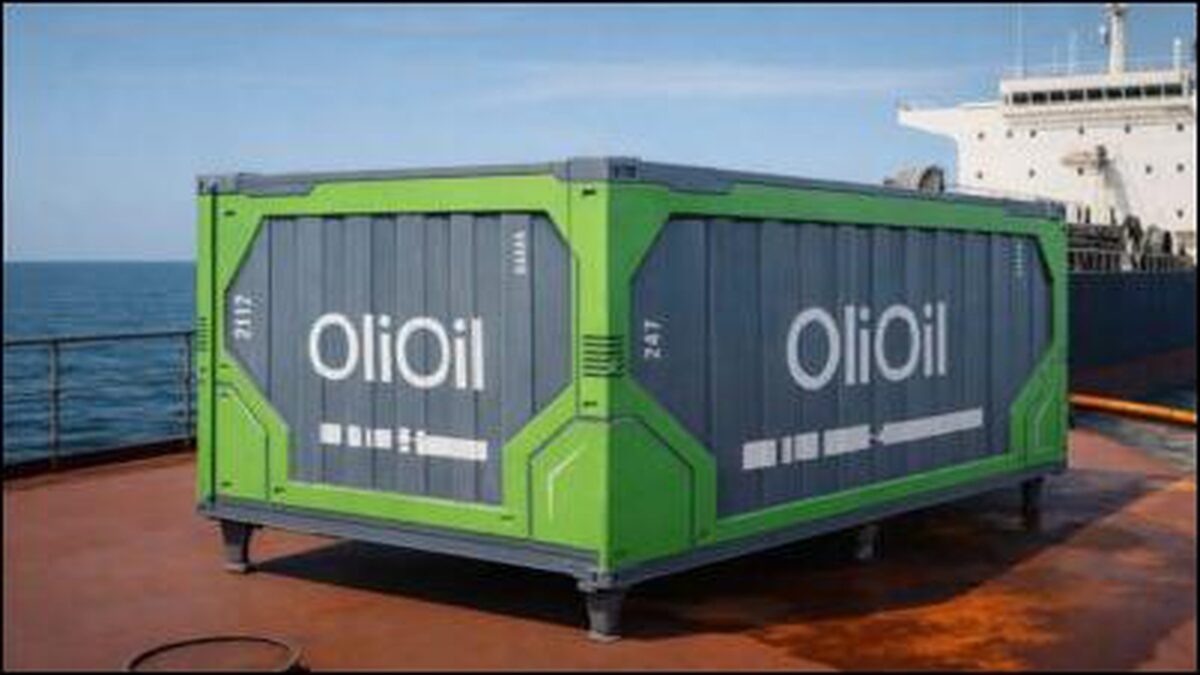
The core of the OliOil and Elomatic collaboration is a self-contained, intelligent system designed for versatile deployment. This innovative container system can be strategically installed on oil-carrying vessels, such as tankers, and at critical locations within ports, ensuring immediate proximity to potential spill sites. The brilliance of this solution lies in its integration of advanced technologies: artificial intelligence (AI) and robotics. Upon detection of an oil spill, the AI-driven system automatically assesses the situation and initiates the deployment of specialized containment booms. These booms are crucial barriers that prevent the oil from spreading, effectively isolating the affected area before it can cause widespread damage. The automation aspect significantly reduces human error and accelerates the response timeline, which is paramount in containing marine pollutants.
Elomatic, with its extensive engineering prowess, has played a crucial role in bringing this vision to fruition. Their contributions span critical areas including the robust design of the container itself, ensuring its durability and functional integrity in harsh marine environments. Beyond structural design, Elomatic has been responsible for the complex electrification systems that power the autonomous unit, the ventilation necessary for optimal operation, and the sophisticated boat hoisting systems that rapidly deploy the robotic units carrying the booms. Furthermore, their expertise in propulsion design for the autonomous boats ensures reliable and precise maneuverability in dynamic sea conditions. This comprehensive engineering approach guarantees a system that is not only highly effective but also resilient and capable of performing under pressure, marking a significant advancement in spill containment technology.
From Research Project to Industrial Manufacturing
The genesis of this groundbreaking marine technology can be traced back to a vital research project at LUT University, specifically focused on the pressing issue of Baltic Sea protection. The Baltic Sea, a semi-enclosed basin with fragile ecosystems, is particularly vulnerable to oil spills, making it an ideal proving ground for such innovative solutions. This academic foundation provided the initial scientific rigor and proof-of-concept necessary to embark on a large-scale development effort. OliOil recognized the immense potential of this research and committed to transforming the conceptual framework into a practical, deployable product, establishing a clear pathway from theoretical exploration to real-world application.
Elomatic’s partnership was instrumental in this transition, leveraging their deep expertise to bridge the gap between pilot-stage prototypes and the rigorous demands of industrial manufacturing. The goal is not merely to create a single system but to develop a scalable, commercially viable product that can be mass-produced and integrated across the global maritime industry. Karoliina Joensuu, Head of Industry Business Unit at Elomatic, highlighted the significance of their involvement, stating, “Utilizing our broad expertise in OliOil’s product development and commercialization is meaningful to us.” This statement underscores Elomatic’s commitment to leveraging its multidisciplinary engineering capabilities, from mechanical and electrical design to automation and software integration, to refine the system for robust performance and cost-effective production. This collaborative journey from academic research to advanced industrial manufacturing signifies a major leap forward in global oil spill prevention and response capabilities.
Broader Implications for Sustainable Shipping and Maritime Safety
The implications of OliOil and Elomatic’s autonomous oil spill response system extend far beyond immediate containment. This technology is poised to significantly enhance overall maritime safety and promote more sustainable shipping practices across the globe. By providing an immediate and effective first line of defense against oil spills, the system drastically reduces the ecological footprint of maritime transport and operations. This contributes directly to the goals of environmental protection, safeguarding sensitive marine biodiversity and supporting the health of our oceans, which are vital for the planet’s well-being and countless human livelihoods.
For ports, the deployment of such systems represents a substantial upgrade in their emergency response infrastructure, bolstering port safety and minimizing the risk of localized environmental disasters that can disrupt trade and impact coastal communities. Similarly, for tanker safety, having an onboard autonomous system provides an unprecedented level of immediate response, potentially preventing minor incidents from escalating into major catastrophes. The ability to contain spills rapidly also means quicker resumption of operations, reducing economic losses associated with downtime and environmental remediation efforts. This proactive approach aligns perfectly with the global push for cleaner shipping, where technological innovation plays a pivotal role in achieving ambitious sustainability targets and fostering responsible stewardship of marine resources.
The partnership also signifies a broader trend in the maritime industry: the increasing adoption of AI and robotics to address complex challenges. This is not just about oil spills; it’s about building a foundation for a more automated, intelligent, and resilient maritime ecosystem. As this technology matures and becomes more widely adopted, it sets a new standard for emergency preparedness and environmental responsibility, influencing regulatory frameworks and operational best practices worldwide. The move towards industrial manufacturing ensures that this vital technology can become accessible and affordable for a wider range of stakeholders, solidifying its role as a cornerstone of future sustainable shipping endeavors. This commitment to scalable production reinforces the belief that advanced solutions for environmental protection can and should be integrated into the fabric of daily maritime operations, transforming challenges into opportunities for innovation and sustainability.