Seychelles Sinks Patrol Boat for New Artificial Reef | Mariner News
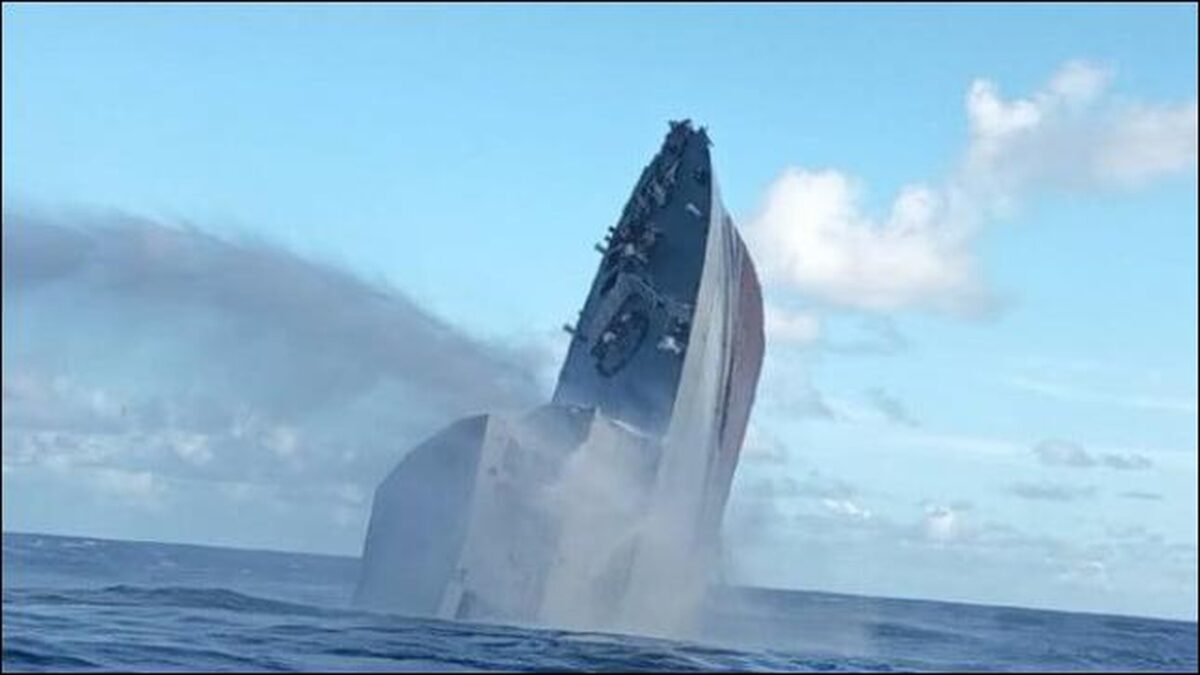
The pristine waters of the Seychelles, a jewel of the Indian Ocean, have recently witnessed a significant event poised to transform its marine landscape and bolster its burgeoning tourism sector. In a strategic move for ocean conservation and sustainable tourism, the nation intentionally sank a decommissioned patrol boat, the PS Topaz, to create a new Seychelles artificial reef. This innovative project, merging maritime heritage with ecological preservation, promises to establish a vibrant underwater ecosystem and an enticing dive attraction for enthusiasts worldwide. The carefully planned reefing operation underscores Seychelles’ deep commitment to protecting its invaluable marine environment.
From Patrol Boat to Marine Haven: The PS Topaz Transformation
After two decades of dedicated service safeguarding the vast maritime territory of Seychelles, the PS Topaz embarked on its final, transformative journey on May 9. This 46-meter (151-foot) vessel, once a formidable presence against maritime threats, was meticulously prepared for its new role as a subsea habitat. The intricate process of decommissioning and preparing the patrol boat for its new life as an artificial reef involved extensive environmental assessments and rigorous cleaning. Every component, from fuel tanks to engine oils, was carefully removed, adhering to stringent international environmental standards to ensure no pollutants would harm the delicate marine ecosystem.
This meticulous preparation was crucial to the success of this ambitious project. Experts worked tirelessly to transform what was once a tool of national security into a sanctuary for marine life. The sinking itself was a controlled operation, allowing the vessel to settle precisely in its designated location, chosen for its suitability to foster new coral growth and attract diverse fish species. This careful planning highlights Seychelles’ proactive approach to ocean conservation, leveraging end-of-life vessels for ecological benefit rather than conventional scrapping.
The transformation of this decommissioned patrol boat into a thriving underwater structure is a testament to the nation’s innovative spirit in addressing environmental challenges and enhancing its natural capital. It marks a thoughtful transition for the PS Topaz, from actively patrolling the waves to passively nurturing the life beneath them, fulfilling a new, equally vital mission for the archipelago’s marine future.
Boosting Biodiversity: The Ecological Role of Artificial Reefs
The primary ecological benefit of deploying an artificial reef lies in its ability to create new substrata for marine organisms to colonize, particularly in areas lacking natural hardbottom features. Such structures provide an immediate haven for a myriad of species, offering shelter from predators, breeding grounds, and a rich source of food. For Seychelles, an archipelago renowned for its breathtaking biodiversity, the PS Topaz now serves as a crucial building block in expanding and enriching its marine ecosystems. Within months, divers expect to observe the rapid colonization of the vessel by algae, sponges, and various invertebrates, forming the base of a new food web.
The intricate structure of the decommissioned patrol boat offers countless nooks and crannies that are ideal for juvenile fish to hide and grow, thereby augmenting local fish populations. This, in turn, attracts larger predators and contributes to the overall health and resilience of the surrounding marine environment. Scientists and marine biologists will monitor the site closely to track the ecological succession, observing how different species interact with this new habitat. This ongoing research will provide invaluable data on ocean conservation strategies and the effectiveness of artificial reef deployment in tropical waters, further solidifying Seychelles’ reputation as a leader in marine science.
Ultimately, the goal is for the PS Topaz artificial reef to become a flourishing underwater garden, bustling with life and contributing significantly to the regeneration of marine resources. The proliferation of fish and other marine life around the site will not only improve the health of the local ecosystem but also support spillover effects to adjacent natural reefs, enhancing the overall productivity of Seychelles’ Exclusive Economic Zone.
Diving into Seychelles’ Sustainable Tourism Future
Beyond its ecological contributions, the Seychelles artificial reef created from the PS Topaz holds immense potential for the nation’s tourism industry. As an exciting new dive attraction, it is set to draw a fresh wave of visitors seeking unique underwater experiences. The opportunity to explore a decommissioned military vessel transformed into a vibrant marine habitat offers a compelling narrative for divers, combining historical interest with ecological wonder. This unique blend positions Seychelles as a premier destination for sustainable tourism, attracting environmentally conscious travelers and dive enthusiasts alike.
Dive operators in Seychelles are already anticipating a significant boost in business, with new itineraries being developed to include the PS Topaz site. The vessel’s depth and structure are ideal for various levels of divers, promising accessible yet captivating explorations. From macro life hiding within the hull to pelagic species circling the structure, the new dive attraction provides a diverse underwater spectacle. This enhancement of Seychelles’ dive offerings is a deliberate strategy to attract more tourists, extend their stay, and encourage repeat visits, all while promoting responsible engagement with the marine environment.
The economic benefits extend beyond the dive industry, stimulating local businesses, accommodation providers, and service sectors. The creation of such a distinctive underwater diving site reinforces Seychelles’ brand as a world-class destination that harmoniously blends luxury tourism with ecological responsibility. By continually investing in sustainable tourism initiatives like the PS Topaz artificial reef, Seychelles is not only preserving its natural beauty but also ensuring long-term prosperity for its communities.
A Legacy of Service: The PS Topaz Story
Before its new life as an artificial reef, the PS Topaz served with distinction for two decades in the Seychelles Coast Guard, following its initial tenure with the Indian Navy as INS Tarmugli (T64). Originally built as one of four Trinkat-class fast attack crafts, its robust design and swift capabilities were crucial for maritime security operations. In 2005, the Indian government’s generous gift of the vessel to Seychelles marked a significant strengthening of strategic ties, fostering collaboration in safeguarding the vital Indian Ocean waters and ensuring regional safety. This historical context adds a compelling layer to its new identity as a unique dive attraction.
During its 20 years of active service in the Seychelles, the PS Topaz was at the forefront of numerous critical missions. It played an indispensable role in counter-piracy operations, particularly during the peak of piracy threats, protecting shipping lanes and contributing to regional stability. Furthermore, its deployment in anti-narcotics patrols was vital in combating illegal drug trafficking, a persistent challenge for island nations. The vessel also contributed significantly to efforts against illegal, unreported, and unregulated (IUU) fishing, safeguarding Seychelles’ rich marine resources within its extensive Exclusive Economic Zone.
The PS Topaz, with its top speed of 30 knots and a crew of 33, was a testament to maritime efficiency and dedication. Its major refit in India in 2019, which saw upgrades to navigation, communication, and weaponry equipment, further enhanced its operational capabilities. Now, as a decommissioned patrol boat transformed into an artificial reef, its legacy continues, shifting from protecting the seas from threats to protecting the life within them, cementing its place in Seychelles’ maritime history and its future as a beacon for ocean conservation.
Broader Impact: Ocean Conservation and Maritime Heritage
The sinking of the PS Topaz extends beyond a single dive site; it represents a larger vision for ocean conservation and the innovative repurposing of maritime heritage. This project aligns with global efforts to create artificial habitats, recognizing the critical role they play in supporting marine ecosystems under increasing environmental pressure. Seychelles is showcasing how a nation can thoughtfully manage its defense assets to create lasting ecological and economic value, setting a precedent for other island nations.
Such initiatives also serve as powerful educational tools. The compelling story of the PS Topaz, transitioning from a protector of the nation’s borders to a protector of its marine biodiversity, offers a powerful narrative for both locals and international visitors. It highlights the interconnectedness of human activities and the marine environment, fostering a deeper appreciation for the oceans and the paramount importance of sustainable practices in marine resource management.
This pioneering effort by Seychelles encourages other nations to consider similar projects, turning end-of-life vessels into vibrant underwater havens. It demonstrates that with careful planning and environmental foresight, maritime history can continue to serve the future, reinforcing the vital role of artificial reefs in both ecological restoration and sustainable tourism development across the entire Indian Ocean region and beyond.
Conclusion
The sinking of the PS Topaz to create a new Seychelles artificial reef represents a landmark achievement in the nation’s ongoing commitment to ocean conservation and sustainable tourism. This visionary project successfully repurposes a decommissioned patrol boat, transforming it into a thriving underwater habitat and an exhilarating dive attraction. It embodies a harmonious balance between preserving maritime heritage and fostering ecological enrichment, promising long-term benefits for both marine biodiversity and the local economy. As divers explore the depths of the PS Topaz, they will witness firsthand the powerful synergy between human ingenuity and environmental stewardship, ensuring the vibrant future of Seychelles’ invaluable marine environment.