EU Demands Tighter Shipping Rules for Shadow Fleet | Mariner News
Recent revelations concerning tanker sales by Danish shipping firm Torm have ignited a critical debate within the European Parliament. Following detailed reports from ShippingWatch, EU politicians are now urgently calling for a substantial tightening of existing regulations and sanctions to combat the burgeoning shadow fleet—a clandestine network of vessels facilitating illicit oil trade, particularly in support of the Russian war machine. These disclosures highlight the pressing need for enhanced oversight and corporate accountability across the global shipping sector, signalling a new era of scrutiny for vessel transactions and maritime regulations.
Torm’s Controversial Tanker Sale and Shadow Fleet Links
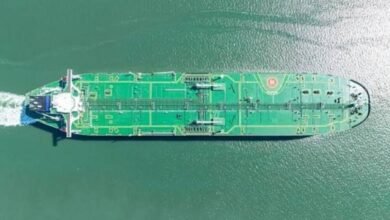
The heart of the recent controversy lies in Torm’s sale of the tanker Tiger Wings last year. The vessel was acquired by a Hong Kong-based company with no prior fleet history. Subsequent investigations, a joint effort by ShippingWatch and the Kyiv School of Economics (KSE), revealed a troubling pattern: the Tiger Wings has since loaded Russian oil on at least 13 occasions, directly impacting EU sanctions efforts.
Torm maintains that its sale did not violate any existing sanctions provisions. However, KSE’s assessment contradicts this, concluding that the Tiger Wings consistently met criteria for inclusion in the Russian shadow fleet during these loadings. This stark discrepancy exposes a significant challenge in sanctions enforcement: the exploitation of legal loopholes and opaque ownership structures to bypass international restrictions.
The incident underscores the urgent demand for enhanced due diligence and greater transparency in tanker sales and vessel transfers. It questions the effectiveness of current frameworks in preventing European-originated assets from inadvertently fueling conflict, highlighting a systemic vulnerability within the maritime sector.
EU Parliament Demands Stricter Shipping Rules and Oversight
These revelations have galvanized European politicians, who are now pushing for immediate and decisive action. MEP Niels Flemming Hansen of Denmark’s Conservative Party stated unequivocally, “If there are loopholes in these sanctions provisions, then we will obviously have to tighten them further. We must do everything we can to combat the shadow fleet.” This sentiment is widely shared by colleagues, including Villy Søvndal (SF) and Stine Bosse (M), who stress the need for stronger EU sanctions.
These leaders emphasize that shipping companies bear significant responsibility to proactively identify and mitigate risks associated with their vessel sales. Adhering solely to the letter of the law is insufficient if its spirit—preventing the circumvention of sanctions—is undermined. Calls are for tougher sanctions, more rigorous oversight, and mechanisms that hold companies accountable for their ships’ ultimate use, even after ownership changes.
The focus is squarely on preventing European vessels from becoming conduits for illicit trade, particularly Russian oil. This requires a comprehensive approach, moving beyond immediate transaction compliance to consider broader contexts and downstream consequences. The European Parliament’s unified stance signals a growing recognition that current maritime regulations are inadequate against sophisticated obfuscation tactics, demanding significantly enhanced shipping oversight.
The Growing Threat of the Shadow Fleet and Illicit Maritime Trade
The shadow fleet represents a burgeoning geopolitical concern, composed of older, often underinsured vessels operating under opaque ownership. These ships are crucial for facilitating illicit trade, primarily sanctioned oil. Their operations not only challenge sanctions enforcement but also pose severe environmental and safety risks, as they often bypass standard regulatory frameworks.
The expansion of this clandestine fleet is directly linked to the global geopolitical landscape, particularly the need to transport Russian oil despite international embargoes. These vessels employ sophisticated methods to mask their origins, destinations, and cargo, including disabling AIS transponders, conducting ship-to-ship transfers in international waters, and manipulating documentation. The sheer scale and adaptability of the shadow fleet present a formidable challenge for regulators and enforcement agencies.
This illicit maritime trade undermines global stability, finances aggression, and creates an uneven playing field for legitimate shipping companies. The lack of transparency, from beneficial owners to insurance providers, complicates tracking and interdiction. Combating this threat necessitates not only legal and political will but also technological innovation to penetrate the layers of secrecy defining the shadow fleet’s operations, crucial for maritime security.
Proposing Solutions: Enhanced Oversight and Due Diligence
In response to these issues, European politicians and industry stakeholders are exploring solutions to bolster shipping oversight and prevent future sanctions circumventions. A key proposal involves mandating more stringent due diligence requirements for all vessel transactions, especially for older ships or companies with unclear corporate histories. This would compel sellers to conduct thorough background checks on prospective buyers and their ultimate beneficial owners, extending beyond mere legal compliance to include comprehensive risk assessments.
Furthermore, there is a strong push for greater transparency in maritime trade, potentially through enhanced public registries of vessel ownership and robust data-sharing mechanisms among national and international authorities. Advanced tracking technologies, supplementing standard AIS, could also play a crucial role in monitoring suspicious vessel movements and identifying illicit activity patterns. Think tanks like KSE are vital in providing the data and analysis to inform these crucial policy changes.
Strengthening the enforcement capabilities of regulatory bodies is also a priority, equipping them with resources and legal instruments for effective investigation and prosecution. International cooperation is indispensable, as the global nature of shipping means collective action is required to tackle the shadow fleet challenge and ensure global economic sanctions are effective.
The Path Forward: Balancing Industry Responsibility and Regulatory Power
The ongoing debate around EU sanctions and shipping rules aims to strike a crucial balance: empowering regulatory bodies while allowing legitimate maritime trade to thrive. This situation demands that shipping companies significantly enhance their internal compliance efforts, adopting best practices that exceed minimum legal requirements. This includes robust internal auditing, continuous employee training on sanctions compliance, and fostering a strong ethical culture throughout their operations.
The European Parliament’s call for tougher measures sends a clear signal to the entire maritime sector: the era of passive compliance is over. Companies involved in tanker sales and other vessel transactions must now actively assess and manage risks, understanding that any direct or indirect link to the shadow fleet or illicit trade will incur severe reputational and legal consequences. The onus is increasingly on the industry to demonstrate its unwavering commitment to responsible global commerce.
Moving forward, the EU will likely implement a multi-faceted strategy. This involves not only tightening existing maritime regulations but also fostering innovation in supply chain transparency and vessel tracking. The ultimate goal is to diminish the economic incentives for operating within the shadow fleet and substantially increase the risks of detection and punishment. This continuous commitment to refining and strengthening sanctions enforcement is paramount for upholding international law and global security.
Conclusion
The Torm revelations have served as an undeniable wake-up call, exposing systemic vulnerabilities that allow the shadow fleet to circumvent EU sanctions. European politicians are now vigorously pushing for more robust shipping rules, greater oversight, and an elevated sense of responsibility from shipping companies. The stakes are high: protecting international law, curbing illicit Russian oil trade, and safeguarding maritime security and environmental standards. As the EU moves to tighten these regulations, the maritime sector must prepare for a new landscape of enhanced scrutiny and unparalleled transparency.