UKMTO Reports Suspicious Maritime Activity Near Socotra | Mariner News
The UK Maritime Trade Operations (UKMTO) has issued a vital alert regarding suspicious activity reported off Yemen’s strategically significant Socotra Island. This incident, involving a commercial tanker, underscores the persistent and evolving challenges within one of the world’s most critical maritime corridors. Such reports from UKMTO are crucial for providing real-time intelligence to the shipping community, allowing vessels to enhance their vigilance and adapt their security protocols when navigating these high-risk waters.
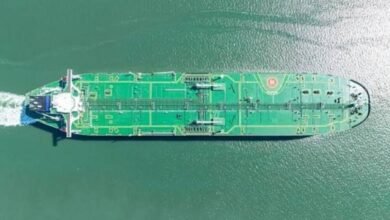
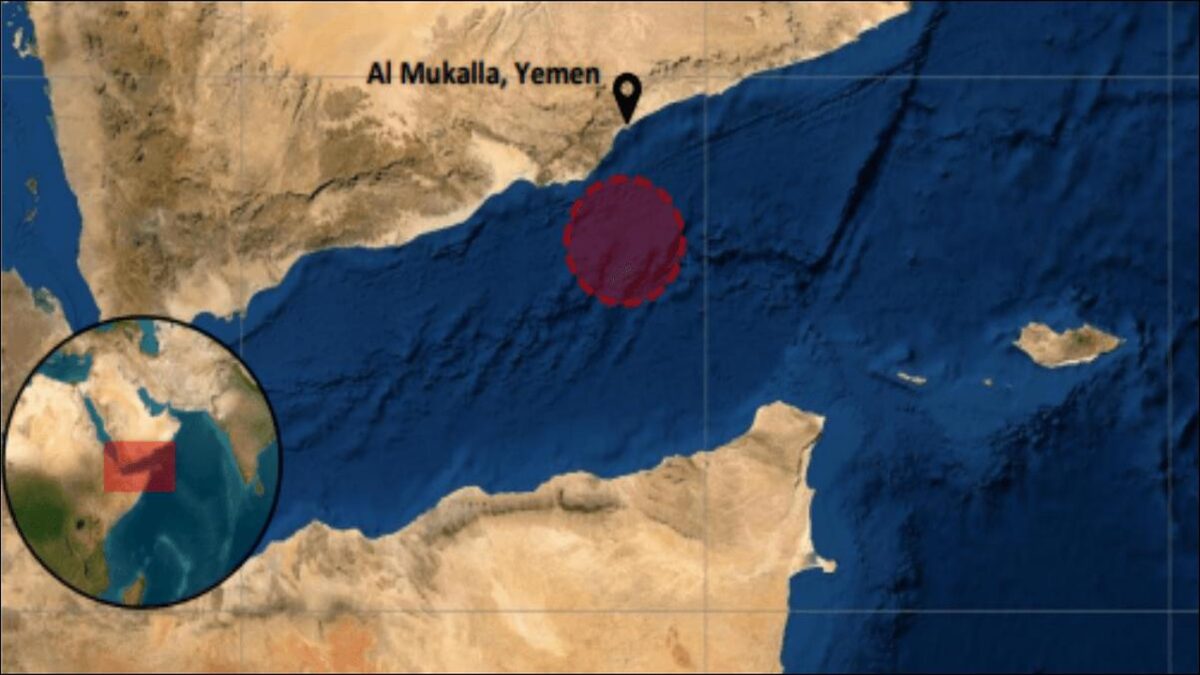
At approximately 00:20 UTC on Friday, an incident unfolded about 98 nautical miles north of Socotra, where a tanker found itself approached by a small craft. This vessel, designed for transporting bulk liquids, quickly identified the approaching craft as a potential threat. The crew of the tanker, following established maritime security protocols, initiated defensive measures to safeguard the vessel and its personnel. The swift response to this suspicious activity highlights the paramount importance of robust security measures in areas prone to maritime incidents.
Detailing the Socotra Incident and Response
The specifics of the UKMTO report indicate that the tanker was approached by a small craft carrying five individuals. This immediate proximity of an unknown vessel, especially one with an unverified intent, triggers a high-alert status for any commercial ship operating in these often volatile regions. The vessel’s Company Security Officer (CSO) confirmed the details of the approach and the subsequent defensive actions taken by the onboard armed security team. The presence of such a team is a testament to the enduring threats faced by global shipping.
In a decisive and professional manner, the armed security team aboard the tanker discharged warning shots towards the approaching small craft. This internationally recognized protocol for deterring potential threats proved effective. The firing of warning shots served its intended purpose, causing the small craft to immediately alter its course and move away from the tanker. This successful deterrence prevented a potential escalation of the situation and ensured the safety of the tanker, its crew, and its valuable cargo. The incident off Socotra underscores the effectiveness of well-trained security personnel and adherence to established rules of engagement.
This incident, though successfully repelled, serves as a stark reminder of the unpredictable nature of maritime threats in the Arabian Sea and Gulf of Aden. The UKMTO’s rapid dissemination of this information is vital for raising awareness across the global shipping fleet, urging other commercial vessels to maintain heightened vigilance. Mariners transiting this area must remain abreast of all security advisories and incorporate them into their voyage planning, ensuring that every crew member is prepared for any eventuality.
The Broader Landscape of Maritime Security Off Yemen
The waters off Yemen, encompassing the Gulf of Aden, the Red Sea, and the Arabian Sea, represent a critical nexus for global trade. Hundreds of ships, including a significant number of tankers carrying essential energy supplies, traverse these shipping lanes daily. However, this strategic importance is unfortunately matched by a complex and often perilous security landscape. The region has historically been plagued by piracy, particularly originating from the coast of Somalia, and has more recently witnessed a surge in other forms of maritime insecurity linked to regional conflicts.
While the specific intent behind the recent suspicious activity near Socotra remains unconfirmed, such incidents contribute to an overall environment of heightened risk. Vessels navigating through these waters are not only concerned with traditional piracy but also with potential acts of aggression, terrorism, or opportunistic criminal behavior. The geopolitical instability in Yemen itself, coupled with the presence of various non-state actors, creates a challenging environment for ensuring safe passage for commercial shipping. This necessitates constant vigilance and adaptive security strategies from all stakeholders in the maritime domain.
Socotra Island, located at the crossroads of major shipping routes connecting the Suez Canal to the Indian Ocean, holds immense strategic value. Any activity, whether suspicious or overtly hostile, in its vicinity inevitably draws significant attention from international maritime security forces and the shipping industry. The continued monitoring and reporting by agencies like UKMTO are indispensable for maintaining situational awareness and enabling a coordinated response to threats across this vast and vital oceanic expanse. The safety of these maritime trade routes is intrinsically linked to global economic stability.
Protecting Vessels: Role of Armed Security and Best Practices
In response to the persistent and varied threats in high-risk maritime areas, the deployment of private armed security teams onboard commercial vessels has become a standard and often mandated practice. These teams, comprised of highly trained professionals, act as a crucial deterrent and a first line of defense against potential attacks. Their presence significantly enhances the security posture of a vessel, providing both passive and active protection. The incident involving the tanker off Socotra serves as a clear illustration of their effectiveness in repelling hostile approaches.
Beyond armed security, the adherence to Best Management Practices for Protection against Somalia-based Piracy (BMP5) remains fundamental for all vessels operating in the Voluntary Reporting Area (VRA). BMP5 outlines a comprehensive set of non-lethal and procedural measures designed to prevent and deter piracy attacks. These include maintaining maximum speed, altering course to avoid suspicious contacts, establishing a citadel, rigorous watchkeeping, and clear communication protocols. When combined with the capabilities of an armed security team, these practices form a layered defense strategy.
Effective communication and coordination are also paramount. Vessels are strongly encouraged to report any suspicious activity or incidents immediately to UKMTO and other relevant maritime security centers. This information sharing enables rapid assessment of threats, issuance of advisories, and, if necessary, the deployment of naval assets for assistance. The collective effort of individual vessels, security providers, and international naval forces creates a more secure environment, enhancing the safety of life at sea and protecting critical maritime infrastructure and trade flows.
UKMTO’s Vital Role in Maritime Information Sharing
The UK Maritime Trade Operations (UKMTO) agency plays an indispensable role in maintaining maritime security awareness across the Gulf of Aden, Arabian Sea, and Indian Ocean. As a primary point of contact for merchant shipping, UKMTO collects and disseminates critical information regarding maritime security incidents, threats, and advisories. Its mission is to facilitate the safe passage of commercial vessels through these challenging waterways by providing timely and accurate intelligence to mariners and shipping companies worldwide. The report concerning the suspicious activity off Socotra is a prime example of its crucial function.
UKMTO’s operational center, located in Dubai, operates 24/7, serving as a hub for information exchange between military forces, commercial shipping, and other maritime stakeholders. By providing a direct channel for vessels to report incidents and concerns, UKMTO helps to build a comprehensive picture of the maritime security situation. This real-time intelligence is then compiled, analyzed, and quickly distributed through various channels, including alerts, warnings, and daily summaries, enabling vessels to make informed decisions about their routes and security postures. The agency’s ability to act as a central repository for incident data significantly contributes to regional stability.
Furthermore, UKMTO collaborates extensively with international naval forces, such as the Combined Maritime Forces (CMF) and the European Union Naval Force Somalia (EUNAVFOR Atalanta). This collaboration ensures that commercial shipping concerns are effectively communicated to naval commanders, allowing for coordinated responses and the strategic deployment of naval assets to areas of increased risk. The integration of commercial intelligence with military operational planning is a cornerstone of effective maritime security in a complex operational environment. The timely sharing of information, exemplified by the Socotra incident report, is crucial for protecting the vast network of vessels operating in the region.
Economic and Geopolitical Implications for Global Shipping
Incidents of suspicious activity, even when successfully deterred, carry significant economic and geopolitical implications for global shipping. The perceived increase in risk in a particular area can lead to a rise in insurance premiums for vessels transiting those waters, directly impacting operational costs for shipping companies. These additional costs are often passed down the supply chain, ultimately affecting consumers. Furthermore, heightened security concerns can prompt some carriers to re-route their vessels, adding considerable time and fuel expenses to voyages, thereby disrupting global supply chains and potentially delaying critical deliveries of goods and raw materials.
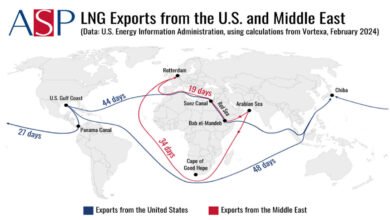
From a geopolitical perspective, the continued threat of maritime insecurity off Yemen and in the wider Arabian Sea region underscores the fragility of international maritime law and order. Any disruption to the free flow of commerce through these vital sea lanes has broader implications for international relations and regional stability. Major trading nations rely heavily on the unimpeded passage of goods, and any perceived threat to this freedom of navigation can trigger diplomatic and even military responses aimed at safeguarding national interests and ensuring the security of global trade routes. The strategic importance of the Bab-el-Mandeb Strait, the Gulf of Aden, and the waters around Socotra cannot be overstated.
Moreover, the safety of seafarers is a paramount concern. Regular reports of suspicious approaches contribute to increased stress and anxiety among crew members, impacting morale and potentially leading to challenges in crewing vessels for routes through high-risk areas. The human element in maritime security is often overlooked, but the psychological toll of operating in a constant state of alert is significant. Therefore, every measure taken to enhance vessel security and deter hostile acts not only protects assets but also ensures the well-being of the dedicated individuals who keep global trade moving.
Enhancing Vigilance and Future Outlook
The recent UKMTO report concerning suspicious activity off Yemen’s Socotra serves as a renewed call for enhanced vigilance across the maritime industry. While the immediate threat was successfully neutralised by the armed security team on the tanker, the incident highlights the ongoing necessity for robust security measures, continuous monitoring, and effective information sharing. The dynamic nature of maritime threats in this region demands that security protocols are not static but are regularly reviewed and updated to counter evolving risks.
Moving forward, the collective efforts of commercial shipping companies, private maritime security providers, and international naval forces will remain critical. Continued investment in advanced security technologies, comprehensive crew training, and rigorous adherence to best management practices are indispensable. Furthermore, fostering strong communication channels between all stakeholders will ensure that intelligence is acted upon swiftly, leading to more informed decision-making and better preparedness against potential threats. The incident off Socotra underscores the importance of a layered approach to maritime security, integrating human, technical, and procedural elements.
Ultimately, ensuring the safety and security of maritime trade routes in the Arabian Sea and beyond is a shared responsibility. The UKMTO’s timely alerts provide an invaluable service, but their effectiveness is amplified by the proactive engagement of every vessel and shipping company. By staying informed, remaining vigilant, and adhering strictly to established security protocols, the global shipping community can collectively mitigate risks and uphold the principle of freedom of navigation for all vessels navigating the world’s oceans. The maritime environment around Yemen continues to be a focal point for security concerns, requiring sustained attention and adaptive strategies from all involved.