ADNOC Fast-Tracks Pipeline Bypassing Strait of Hormuz | Mariner News
The United Arab Emirates (UAE) has launched a high-priority directive for its state-owned energy company, ADNOC, to significantly accelerate the construction of a new crude oil pipeline. This strategic ADNOC pipeline project is designed to provide a vital bypass around the geopolitically volatile Strait of Hormuz. This urgent move underscores the UAE’s profound commitment to bolstering its energy security, increasing independence from regional chokepoints, and cementing its position as a reliable global oil supplier. This major infrastructure development represents a powerful geopolitical statement, safeguarding the nation’s economic interests and ensuring the unhindered flow of its hydrocarbon resources to international markets.
Bypassing the Strait of Hormuz: A Strategic Imperative
The Strait of Hormuz is the world’s most critical maritime chokepoint for crude oil, with a substantial portion of global seaborne oil transiting daily. Its narrow geography and strategic importance make it a constant flashpoint for geopolitical tensions, posing inherent threats to global energy supplies. For oil-exporting nations like the UAE, heavy reliance on this single, congested passage presents an unacceptable vulnerability, impacting not only supply stability but also increasing insurance costs and market anxieties.
Past incidents involving maritime security, often linked to regional rivalries and acts of aggression, have repeatedly highlighted the fragility of this route. Attacks on oil infrastructure and shipping, including facilities at the port of Fujairah, underscore the persistent danger to the free flow of oil. Consequently, the new Strait of Hormuz bypass pipeline is a foundational element of the UAE’s national security and economic resilience, designed to insulate the nation’s crude oil exports from regional volatility and guarantee continuous access to global energy markets.
ADNOC’s Accelerated Project: Doubling Export Capacity
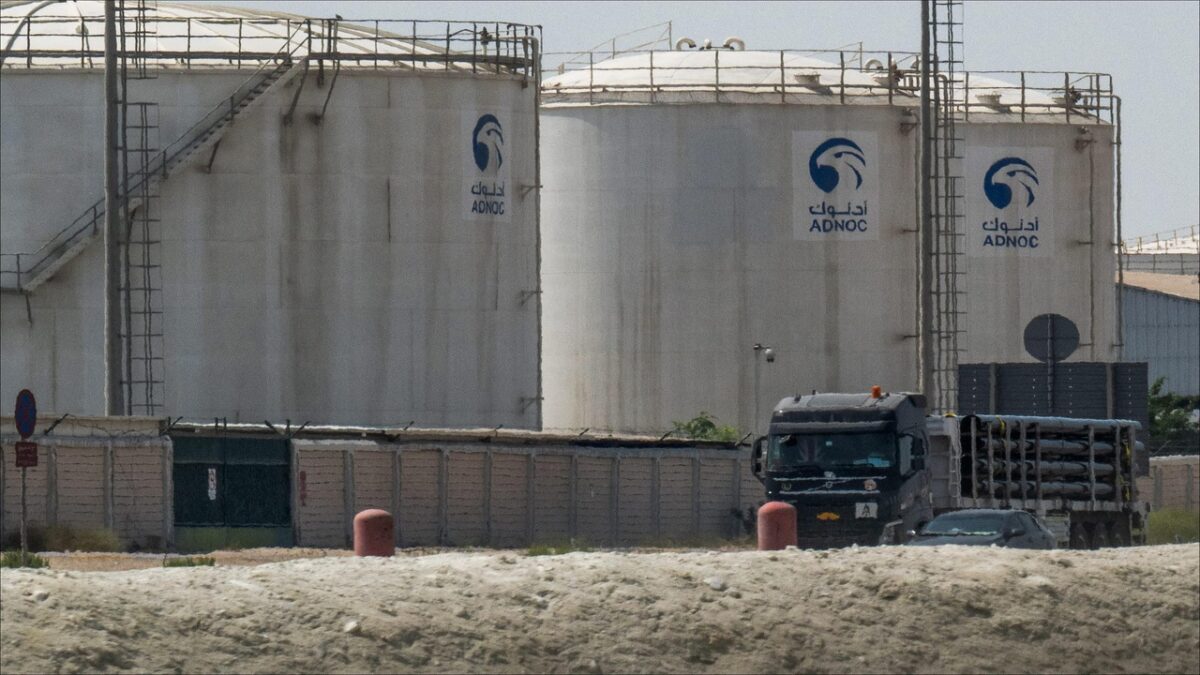
The cornerstone of this initiative is ADNOC’s ambitious West-East Pipeline project, already under active construction. This conduit will efficiently transport crude oil from Abu Dhabi’s prolific oil fields directly to the port of Fujairah on the UAE’s eastern coast, strategically bypassing the Strait. The directive for acceleration came directly from Abu Dhabi Crown Prince Sheikh Khaled bin Mohamed bin Zayed, highlighting the project’s critical national importance and the urgency assigned to its swift completion. Technical specifications suggest the pipeline will handle approximately 1.5 million barrels per day (bpd), a significant boost to the UAE’s crude oil export capabilities.
Upon completion, this new crude oil pipeline will effectively double ADNOC’s export capacity through Fujairah. Situated outside the Strait of Hormuz, Fujairah offers direct, unimpeded access to the Indian Ocean. This strategic advantage ensures uninterrupted oil exports, even if the Strait faces severe disruptions, firmly establishing the UAE as a resilient and reliable global energy supplier. This crucial infrastructure investment underscores ADNOC’s commitment to robust and secure energy logistics for the future.
Enhancing UAE’s Energy Independence and Global Position
The UAE oil pipeline project extends far beyond logistics, fundamentally enhancing the nation’s energy independence and global strategic standing. By establishing a secure, alternative export route, the UAE significantly reduces its vulnerability to regional political instability and external pressures that could otherwise impact its economy. This strategic autonomy grants the nation greater flexibility in its foreign policy and economic decision-making, allowing it to operate with increased confidence and resilience on the international stage.
This drive for strategic freedom aligns closely with the UAE’s recent re-evaluation of its international energy affiliations, notably its official resignation from OPEC and OPEC+ earlier in May. While citing a desire for greater autonomy, analysts widely interpret this move as a strategic bid to pursue national interests unencumbered by cartel production quotas. The new ADNOC pipeline serves as a tangible manifestation of this strategic pivot, underscoring the nation’s intent to control its energy destiny, independent of external constraints.
Economic Benefits and Future for Fujairah
The port of Fujairah is set for significant transformation, evolving into a more pivotal hub within the global energy infrastructure network due to this accelerated pipeline project. Already a major center for bunkering and oil storage, the increased crude oil flow via new Fujairah oil exports will firmly establish it as a primary export gateway with direct access to global shipping lanes. This expansion promises a cascade of economic benefits for the emirate, including substantial investment in state-of-the-art port infrastructure, advanced storage facilities, and related logistical services.
The growth of Fujairah as a leading crude oil export terminal will generate numerous employment opportunities, invigorate local businesses, and contribute robustly to the diversification of the UAE’s economy beyond its traditional oil production centers. The long-term vision for Fujairah, underpinned by this essential infrastructure, is to develop into a comprehensive energy superhub, handling vast quantities of hydrocarbons with unparalleled efficiency and unwavering security, ensuring the UAE maintains a strong, secure, and competitive position in the hydrocarbon market.
Geopolitical Ramifications and Regional Stability
The accelerated ADNOC pipeline project carries substantial geopolitical weight, sending clear signals across the region and globally. It represents a concrete step by the UAE to proactively de-risk its energy supply chain from regional tensions, particularly those emanating from Iran. International allies will likely welcome this as a positive contribution to enhancing global energy security, diversifying supply routes and lessening reliance on a single vulnerable chokepoint.
For regional adversaries, this move powerfully underscores the UAE’s unwavering resolve to protect its vital economic interests and maintain strategic autonomy, even amid persistent provocations. Bolstered UAE energy security not only safeguards national interests but also tangibly contributes to international oil market stability by ensuring a more resilient and reliable supply. This development can subtly recalibrate regional power dynamics, strengthening the UAE’s bargaining position and solidifying its role as a strategic global energy producer through its innovative Strait of Hormuz bypass strategy.
Conclusion
The UAE’s decisive directive to ADNOC to expedite its new pipeline, bypassing the Strait of Hormuz, marks a pivotal moment in the nation’s strategic energy planning. This transformative ADNOC pipeline project is more than infrastructure; it is a profound declaration of intent to secure the nation’s economic future, significantly enhance its energy independence, and establish its reputation as an exceptionally reliable global energy supplier. By effectively mitigating the inherent risks associated with reliance on the Strait of Hormuz, the UAE ensures the uninterrupted flow of its crude oil to international markets, contributing to both national prosperity and global energy stability. This bold action underscores the UAE’s proactive approach to navigating geopolitical complexities and investing in robust, long-term solutions that guarantee its resilience and strategic autonomy. The pipeline will undoubtedly reshape Gulf oil exports, cementing Fujairah’s status as a critical global energy gateway and reinforcing the UAE’s indispensable strategic importance.