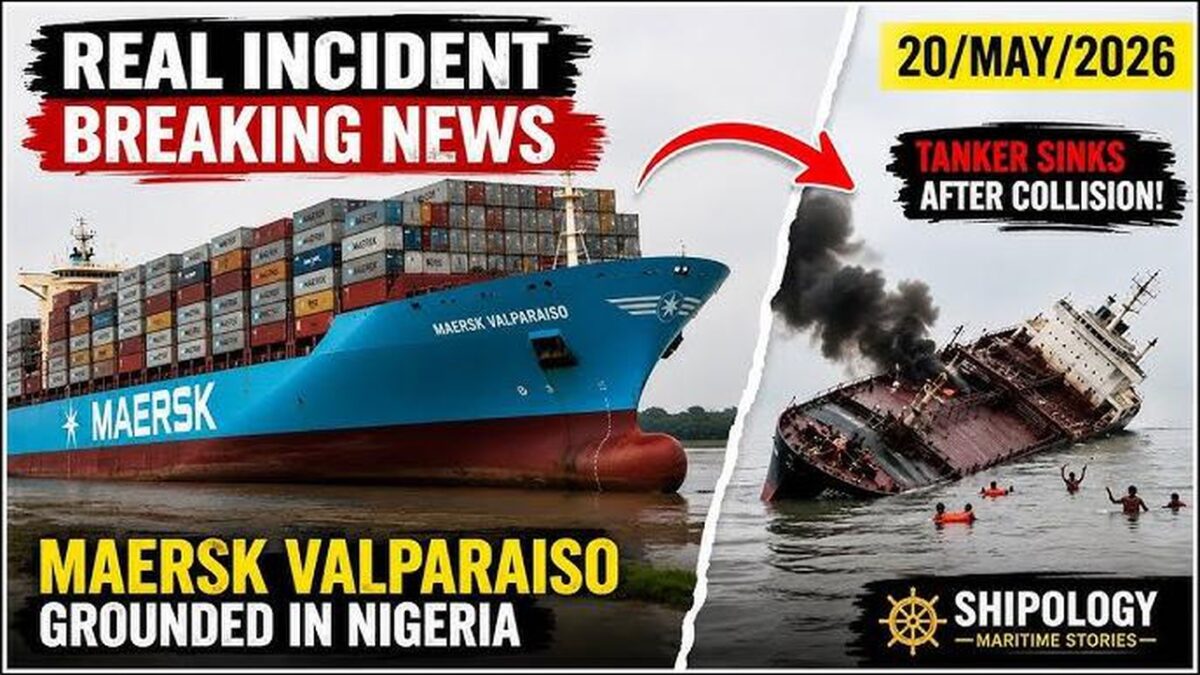
Tanker Sinks After Maersk Collision Off Nigeria | Mariner News
A grave maritime incident has sent shockwaves through the global shipping community, as reports confirm a tanker sinks off the coast of Nigeria after a devastating collision with a Maersk vessel. This unfolding tragedy in West African waters raises immediate concerns about environmental damage, navigational safety, and the intricate web of international maritime operations. The incident, occurring in a region vital for global oil trade and often prone to various shipping challenges, has prompted an urgent response from local authorities and international agencies.
Initial details indicate that the collision took place in the busy shipping lanes near the Nigerian coastline, a critical nexus for oil and gas exports. The precise cause of the accident is currently under investigation, but maritime experts are already speculating on potential factors ranging from human error and navigational miscalculation to mechanical failure or adverse weather conditions. The sinking of a tanker, particularly one potentially carrying petroleum products, poses a significant threat of an oil spill, which could devastate Nigeria’s rich marine ecosystem and impact coastal communities reliant on fishing and tourism. The Maersk vessel, a prominent container ship, also sustained damage, though reports suggest it remains afloat and is being assessed for structural integrity. The implications of such a catastrophic event extend far beyond the immediate scene, affecting supply chains, insurance markets, and the reputation of the involved shipping companies.
Details of the Collision Event and Immediate Aftermath
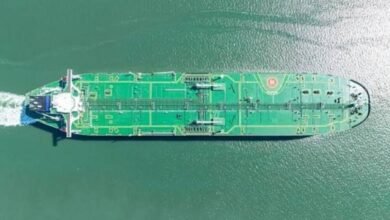
The collision between the unnamed tanker and the Maersk container vessel occurred during the early hours, in conditions that are still being clarified. Initial distress signals were reportedly received from both vessels, alerting maritime rescue coordination centers in the region. The impact was severe enough to compromise the tanker’s hull integrity, leading to its rapid ingress of water and subsequent sinking. While the identity of the tanker and its specific cargo are yet to be officially confirmed, preliminary reports suggest it was an oil products tanker, heightening fears of a significant environmental disaster.
Search and rescue operations were immediately launched by Nigerian maritime authorities, with assistance from nearby commercial vessels. The primary focus was on locating and rescuing any crew members who might have been aboard the sinking tanker or fallen overboard. Casualties and missing persons are still being verified, underscoring the human cost of such maritime accidents. The Maersk vessel, though damaged, has been secured and is currently undergoing inspection by its crew and salvage experts to ascertain the full extent of the structural damage and ensure its stability before any further movement. This critical maritime incident has triggered a coordinated emergency response, mobilizing resources to mitigate the immediate dangers and assess the wider impact.
Environmental Impact and Spill Response Efforts
The most pressing concern following the tanker’s sinking is the potential for an extensive oil spill. If the tanker was indeed carrying crude oil or refined petroleum products, the release of such pollutants into the marine environment of the Gulf of Guinea could have dire consequences. An oil spill would threaten vital marine life, including endangered species, and could contaminate Nigeria’s extensive coastline, impacting sensitive mangrove ecosystems, fisheries, and local livelihoods. The economic repercussions for communities dependent on clean waters for their survival would be substantial, extending for years.
Nigerian environmental agencies and maritime authorities are coordinating with international experts to implement a robust spill response plan. This includes deploying oil containment booms around the affected area, using dispersants to break down oil slicks, and mobilizing clean-up crews for potential shoreline contamination. Satellite imagery and aerial surveillance are being used to monitor the spread of any potential oil slick, allowing for a more targeted and effective response. The rapid deployment of resources is crucial in minimizing the long-term ecological damage from this tragic shipping disaster, emphasizing the critical need for swift and decisive action in such environmental emergencies. The focus remains on containing any leakage and mitigating the environmental fallout as efficiently as possible.
Navigational Safety in Nigerian and West African Waters
This devastating collision highlights the persistent challenges associated with navigational safety in the increasingly congested and complex waters off Nigeria and the broader Gulf of Guinea. This region is a major hub for maritime traffic, including large container ships, oil tankers, and fishing vessels, making safe passage a constant concern. Factors such as high vessel density, varying levels of compliance with international maritime regulations (COLREGs), and occasional instances of piracy contribute to a challenging operating environment for mariners. The incident serves as a stark reminder of the inherent risks involved in global shipping and the continuous need for vigilance.
International maritime organizations and local authorities continuously work to enhance safety protocols, improve vessel traffic management systems, and ensure adequate training for crews navigating these demanding routes. However, incidents like this underscore that despite best efforts, the potential for accidents remains. A thorough investigation into this tanker sinking will undoubtedly examine all aspects of navigational procedures, communication protocols between vessels, and the efficacy of anti-collision systems. Learning from such incidents is paramount to preventing future maritime tragedies and ensuring safer passage for all vessels in these crucial shipping lanes. The incident prompts a renewed focus on best practices for safe navigation.
Investigation and Accountability for the Maritime Accident
The official investigation into the tanker sinking and collision with the Maersk vessel has commenced, with multiple national and international bodies expected to be involved. The Nigerian Maritime Administration and Safety Agency (NIMASA), alongside the flag states of both vessels, will play a central role in determining the precise sequence of events leading up to the accident. This comprehensive inquiry will involve analyzing voyage data recorders (VDRs), interviewing crew members, examining navigational logs, and assessing the condition of both vessels.
The investigation aims to identify all contributing factors, which could range from human error, such as watchkeeping failures or misjudgment, to technical malfunctions in navigation equipment, communication breakdowns, or violations of international maritime law. Accountability will be a key aspect of the inquiry, potentially leading to legal ramifications for individuals, companies, or even regulatory bodies if negligence or breaches of safety regulations are identified. The findings of this investigation will be crucial for informing future safety recommendations, revising operational procedures, and ensuring that lessons are learned from this significant maritime accident to prevent similar occurrences. The international shipping community will closely monitor the outcome of these proceedings.
Broader Implications for the Global Shipping Industry
Beyond the immediate tragedy, the sinking of a tanker after colliding with a Maersk vessel carries significant implications for the global shipping industry. Financially, the costs will be substantial, encompassing salvage operations, environmental clean-up, cargo loss, and extensive insurance claims for both the tanker and the Maersk vessel. Shipping companies involved will also face potential reputational damage, impacting their commercial standing and trust within the industry. This incident will inevitably lead to heightened scrutiny of safety protocols, crew training, and maintenance schedules across the entire maritime sector, especially for vessels operating in high-traffic or environmentally sensitive areas.
Furthermore, such an event can trigger a reassessment of international maritime regulations and their enforcement. There might be calls for stricter oversight, enhanced technological solutions for collision avoidance, and better regional cooperation on maritime safety. The incident serves as a stark reminder of the fragile balance between efficient global trade and the imperative of safeguarding human lives and the marine environment. The lessons learned from this tanker sinking will undoubtedly influence future maritime policy, operational standards, and technological advancements aimed at making ocean transport safer and more secure for all vessels traversing the world’s oceans. The industry must adapt to prevent future catastrophes like this oil tanker incident off Nigeria.
In conclusion, the devastating incident where a tanker sinks after a collision with a Maersk vessel off Nigeria’s coast is a critical event with far-reaching consequences. The immediate focus remains on rescue efforts and containing any potential environmental disaster, particularly an oil spill. However, this tragedy also necessitates a thorough investigation to ascertain accountability and implement corrective measures to enhance navigational safety in congested maritime corridors like the Gulf of Guinea. The global shipping industry must collectively learn from this profound maritime accident to reinforce safety standards, foster better operational practices, and mitigate future risks, ensuring the long-term sustainability and security of our vital ocean trade routes.