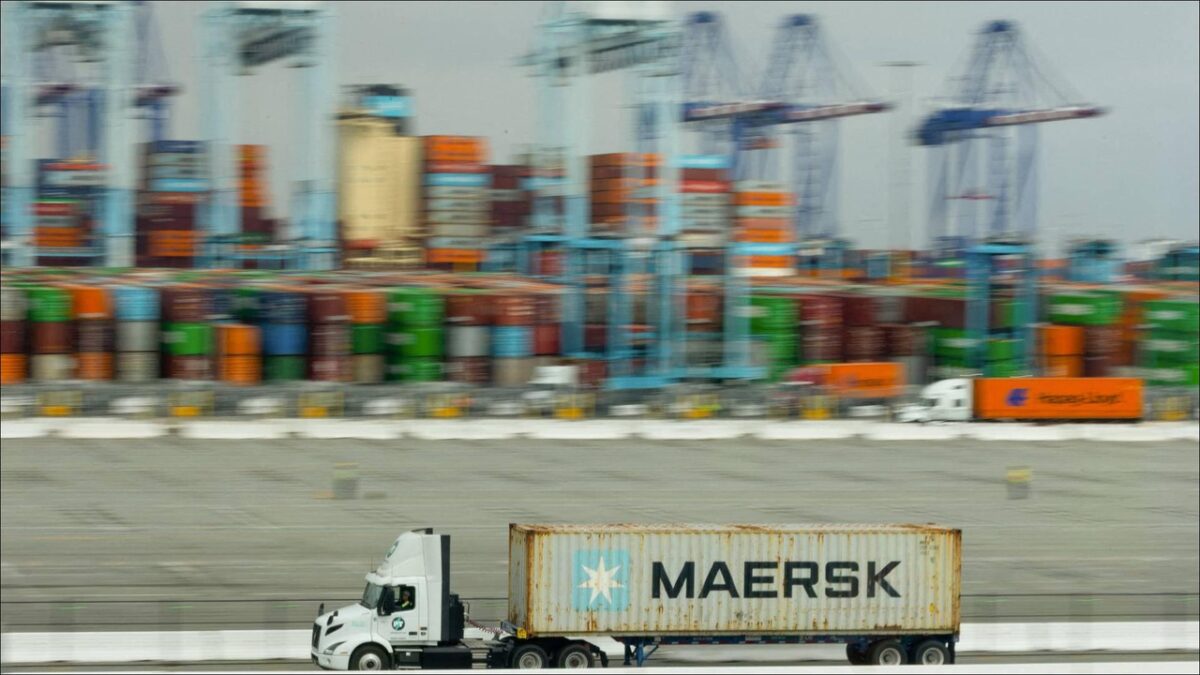
Maersk Boosts Gulf Operations with 1,200 Leased Trucks | Mariner News
Maersk, a global leader in integrated container logistics, has significantly bolstered its Gulf operations by strategically deploying a substantial fleet of 1,200 leased trucks. This pivotal move underscores the company’s unwavering commitment to enhancing its landside transportation capabilities and ensuring seamless supply chain resilience across the vital Middle East region. The decision to integrate such a large number of additional trucking solutions directly addresses the escalating demand for efficient and reliable freight transport, while simultaneously reinforcing Maersk’s expansive network from port to final destination. This expansion of their road fleet marks a critical step in fortifying their ability to manage complex cargo movement amidst dynamic regional trade patterns, reflecting a proactive approach to optimizing logistics infrastructure and service delivery. The new trucks are set to play an indispensable role in strengthening Maersk’s end-to-end logistics offerings, ensuring that goods move smoothly and expeditiously throughout the Gulf region, maintaining the high standards of operational excellence that clients expect from a maritime and logistics powerhouse.
The strategic investment in these leased trucks is a testament to Maersk’s adaptive business model, designed to navigate the complexities and rapid growth of the Middle East logistics sector. By increasing its ground transportation assets, Maersk is better positioned to control the crucial landside leg of its integrated supply chain offerings, reducing transit times and improving service reliability. This move is particularly impactful in a region characterized by diverse geographical challenges and a burgeoning economic landscape, where robust transport network infrastructure is paramount. It highlights a shift towards greater self-sufficiency in land transport, enhancing Maersk’s ability to respond swiftly to market changes and customer demands, thereby solidifying its footprint in this critical global trade corridor.
Fortifying Regional Connectivity and Supply Chain Resilience
The strategic deployment of 1,200 leased trucks by Maersk is primarily aimed at fortifying regional connectivity and enhancing supply chain resilience across the Gulf. The Middle East, with its rapid industrialization, burgeoning e-commerce sector, and significant infrastructure projects, experiences a constant and increasing demand for efficient freight transport. This substantial fleet expansion directly addresses existing capacity gaps, ensuring that Maersk can consistently meet the growing needs of its diverse clientele, from large industrial enterprises to fast-growing retail businesses.
These additional trucking solutions are instrumental in bridging critical ‘last mile’ and ‘first mile’ gaps within the region’s complex logistics ecosystem. By providing dedicated transport, Maersk connects bustling ports, such as Jebel Ali and King Abdullah Port, with inland distribution centers, free zones, and industrial parks more efficiently. This enhanced capability facilitates seamless intermodal transport, where goods transition smoothly from sea vessels to road networks, significantly reducing dwell times and optimizing the overall flow of cargo movement throughout the Arabian Peninsula and beyond.
Moreover, the expanded fleet substantially boosts supply chain resilience. In times of peak demand or unforeseen disruptions, relying on a dedicated, controlled fleet minimizes dependency on external carriers, which can often be subject to fluctuating availability and pricing. This greater control over the landside operations allows Maersk to offer its clients more stable, predictable, and reliable logistics services, ensuring that vital goods continue to move even under challenging circumstances, safeguarding business continuity for countless enterprises operating within Maersk’s Gulf operations.
This strategic move also leads to significant efficiency gains across the entire transport network. With optimized routes and schedules, transit times are reduced, and fuel consumption can be better managed. Maersk’s ability to control a larger portion of the supply chain allows for tighter integration of planning and execution, leading to improved operational visibility and the potential for greater cost savings, ultimately delivering enhanced value and improved service levels to customers who rely on efficient cargo movement.
The Strategic Rationale Behind Fleet Expansion
Maersk’s decision to opt for leased trucks rather than outright purchasing a new fleet reveals a sophisticated strategic rationale rooted in flexibility, scalability, and capital expenditure management. Leasing allows the company to rapidly scale its trucking solutions to meet immediate and projected demand without significant upfront capital investment. This agility is crucial in the dynamic Middle East logistics market, enabling Maersk to adapt quickly to fluctuating trade volumes and regional economic shifts, optimizing resource allocation effectively and maintaining competitive leverage in freight transport.
This fleet expansion aligns perfectly with Maersk’s overarching vision for integrated, end-to-end logistics. The company is moving beyond its traditional role as a container shipping giant to become a comprehensive provider that manages the entire supply chain, from factory floor to customer doorstep. By strengthening its land transport capabilities, Maersk can offer a truly seamless service, ensuring tighter control over every segment of the journey. This enhances their ability to deliver on their promise of integrated solutions, which is a key differentiator in the highly competitive global logistics landscape and central to the success of Maersk’s Gulf operations.
In the fiercely competitive Middle East logistics arena, this significant investment positions Maersk as a dominant player capable of offering unparalleled service breadth and depth. The expanded fleet reinforces their ability to provide comprehensive cargo movement solutions that extend well beyond port-to-port services, encompassing warehousing, distribution, and efficient intermodal transport. This strategic enhancement strengthens Maersk’s competitive edge, allowing them to capture a larger share of the region’s growing logistics market by offering a superior and more reliable end-to-end service proposition.
Furthermore, the integration of these new leased trucks is expected to be deeply embedded within Maersk’s advanced digital platforms. This means enhanced capabilities for real-time tracking, route optimization, predictive maintenance, and comprehensive data analytics. Such technological integration provides invaluable insights into transport network performance, enabling continuous improvement in efficiency and service quality. This data-driven approach ensures that every trucking solution contributes to a smarter, more responsive, and more transparent supply chain, benefiting both Maersk and its global clientele.
Driving Operational Excellence and Customer Value
This expansion of Maersk’s Gulf operations with 1,200 leased trucks is fundamentally about driving operational excellence and delivering superior customer value. For businesses relying on Maersk, this means faster delivery times, significantly improved reliability, and a streamlined approach to complex logistics needs. Customers can now benefit from enhanced predictability in their supply chains, allowing them to better manage inventory, optimize production schedules, and respond more agilely to market demands within the Middle East.
These new trucking solutions are designed to handle a diverse array of cargo movement, from standard general merchandise in containers to specialized industrial equipment and time-sensitive perishables. The versatility of this expanded fleet broadens Maersk’s service offering, enabling them to cater to a wider spectrum of industries and commodities. This comprehensive capability solidifies Maersk’s position as a preferred logistics partner capable of addressing the unique and varied freight transport requirements across the dynamic Gulf region, ensuring that no cargo challenge is too complex.
By exercising greater control over the entire transport network, particularly the critical landside segment, Maersk can uphold and even elevate its already high standards of quality control. This minimizes the risk of damage during transit, ensures adherence to strict delivery schedules, and ultimately enhances overall customer satisfaction. Consistent service delivery and meticulous handling reinforce Maersk’s reputation as a reliable and trustworthy provider, fostering stronger, long-term relationships with clients who value integrity and efficiency in their supply chain partners.
Beyond direct client benefits, the investment in this substantial truck fleet also generates positive economic impacts. The increased demand for drivers, maintenance personnel, and administrative support creates numerous local job opportunities across the Middle East. Moreover, by fostering stronger regional logistics capabilities, Maersk contributes to the economic development of the Gulf nations, supporting local businesses and enhancing the region’s overall attractiveness as a global trade hub. This localized economic contribution underscores Maersk’s commitment to the communities in which it operates.
Navigating Challenges and Embracing Future Trends
While the expansion of Maersk’s Gulf operations with 1,200 leased trucks is a significant step forward, it is important to acknowledge the inherent challenges within the Middle East logistics landscape. Factors such as fluctuating fuel costs, the ongoing global issue of driver shortages, and navigating diverse regulatory frameworks across various Gulf nations can present operational complexities. However, the strategic decision to lease rather than purchase provides Maersk with greater flexibility to adapt to these challenges, mitigating some of the long-term financial risks associated with asset ownership in a volatile market.
The future of trucking solutions is increasingly tied to sustainability, and while the immediate focus of this expansion is capacity and efficiency, Maersk is also a global leader in pursuing environmental goals. This investment lays the groundwork for future transitions towards greener transport network options. As technology evolves, these leased trucks could eventually be replaced or supplemented by electric vehicles or those powered by alternative fuels, aligning with Maersk’s broader commitment to decarbonizing its entire supply chain. This forward-thinking approach ensures that current operational enhancements are future-proofed against evolving environmental standards.
The Middle East remains a region poised for substantial growth, driven by diversification efforts, massive infrastructure projects, and a booming digital economy. This strategic investment in land transport capabilities positions Maersk to capitalize on these future opportunities, ensuring it can scale its services in tandem with the region’s economic trajectory. The enhanced freight transport network will be crucial for supporting burgeoning sectors such as e-commerce, manufacturing, and petrochemicals, securing Maersk’s long-term viability and leadership in Gulf logistics.
Ultimately, the strengthening of Maersk’s Gulf operations through this significant fleet expansion has broader implications for global trade. A more robust, efficient, and resilient logistics infrastructure in key regions like the Middle East is vital for the seamless flow of international commerce. By investing in its regional capabilities, Maersk is not only enhancing its own service offering but also contributing to the stability and efficiency of the worldwide supply chain, facilitating cargo movement that underpins global economic activity.