Port of Seattle Extends NCLH Cruise Deal to 2035 | Mariner News
The Port of Seattle has made a landmark announcement, solidifying its commitment to environmental leadership and sustainable maritime practices. In a significant move set to redefine the future of responsible tourism, the Port of Seattle has officially extended its long-standing cruise agreement with Norwegian Cruise Line Holdings (NCLH) through the year 2035. This pivotal extension is more than just a continuation of operational ties; it represents a robust partnership dedicated to advancing groundbreaking sustainability initiatives within the cruise industry. With options to further extend the pact until 2045, contingent upon achieving rigorous sustainability performance and substantial decarbonization progress, this agreement positions Seattle at the forefront of green cruising, setting an ambitious benchmark for ports worldwide. This strategic alliance underscores a shared vision for a healthier marine environment and thriving local economies, emphasizing the critical role of innovative partnerships in tackling global climate challenges.
A Decade of Sustainable Maritime Partnership and Growth
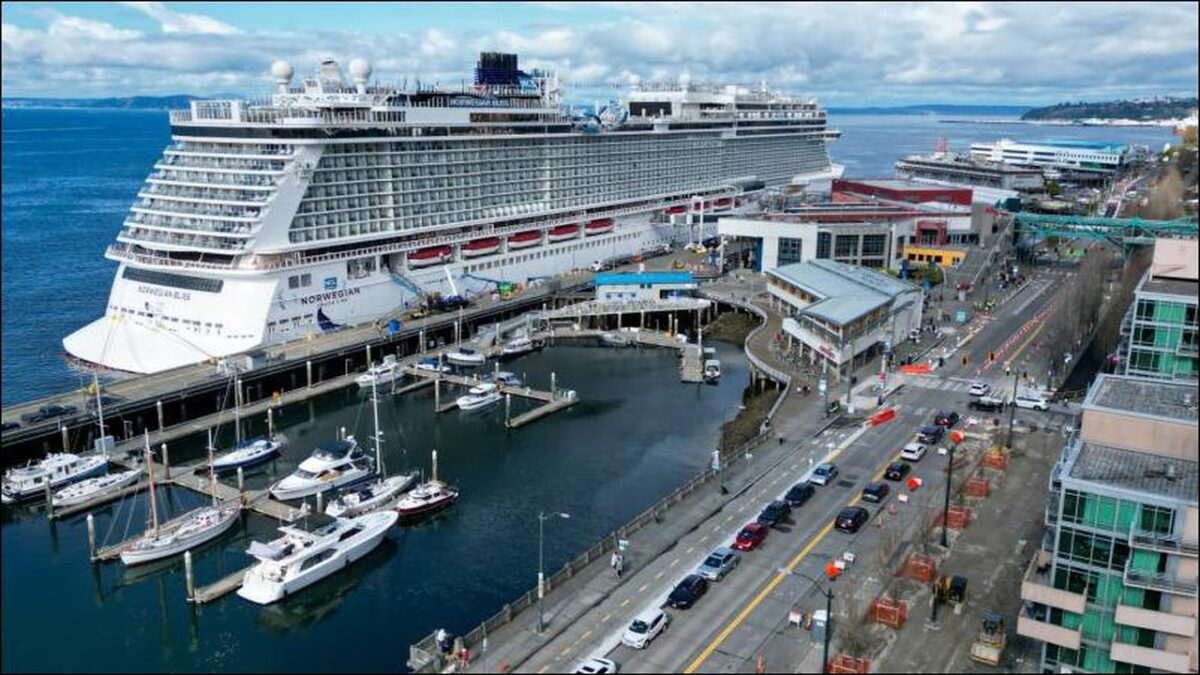
The recently approved long-term lease amendment by the Port of Seattle Commission reaffirms a successful relationship that began over two decades ago. Since 2000, Norwegian Cruise Line Holdings has been a cornerstone of Seattle’s vibrant cruise season, offering renowned Alaska cruises that attract millions of tourists and significantly bolster the regional economy. This renewed agreement secures NCLH’s continued operations from Seattle’s historic Pier 66, a critical hub for maritime activities and a gateway for Alaskan adventures. The financial and operational stability provided by this extension allows both parties to plan for the long term, investing in infrastructure upgrades and technological advancements necessary for a sustainable future. NCLH plans to significantly increase its presence, intending to homeport four vessels in Seattle during the 2026 season alone, demonstrating their strong confidence in the Seattle market and their commitment to its environmental goals.
This partnership transcends typical commercial agreements by integrating explicit environmental mandates. The Port of Seattle and NCLH are not merely extending a business relationship; they are forging a path towards a more sustainable maritime industry. The framework includes provisions for continuous monitoring and reporting on environmental performance, ensuring accountability and measurable progress. Such clauses are increasingly becoming standard in forward-thinking port agreements, reflecting a global shift towards greater ecological responsibility within the shipping and cruise sectors. The Port of Seattle’s proactive stance in requiring these commitments highlights its dedication to protecting the Puget Sound and broader marine ecosystems, ensuring that economic growth aligns with ecological preservation.
Pioneering Sustainable Marine Fuels and Decarbonization Pathways
At the core of this innovative agreement is a shared commitment to addressing one of the most pressing challenges facing the maritime industry: decarbonization. A cornerstone initiative outlined in the deal involves a joint demonstration project aimed at testing sustainable non-fossil marine fuels in Seattle. This crucial undertaking will not only assess the viability and performance of these advanced fuels but also evaluate the necessary infrastructure and supply conditions for their wider adoption. This pioneering effort could provide invaluable insights for the entire cruise sector, accelerating the transition away from conventional fossil fuels and significantly reducing greenhouse gas emissions. The collaboration between the Port of Seattle and NCLH on this project is a testament to their leadership in exploring practical solutions for greener voyages.
The development and implementation of alternative marine fuels represent a pivotal step towards achieving zero-emission shipping. By actively engaging in trials and infrastructure assessments, Seattle is positioning itself as a key innovation hub for maritime sustainability. This collaborative approach recognizes that decarbonizing the industry requires significant investment in research, development, and logistical overhauls. The findings from this demonstration project could serve as a blueprint for other ports and cruise lines looking to adopt cleaner energy sources, fostering a ripple effect across the global maritime landscape. This forward-thinking strategy ensures that Seattle remains at the cutting edge of environmental stewardship, contributing directly to a more sustainable global economy.
Enhancing Environmental Stewardship and Community Impact
Beyond fuel innovation, the agreement includes a comprehensive suite of environmental commitments designed to minimize the ecological footprint of cruise operations. NCLH has pledged active participation in underwater noise reduction programs, a critical effort to protect marine wildlife, particularly species like the endangered Southern Resident Orcas, whose survival is significantly impacted by anthropogenic noise. By investing in quieter propulsion technologies and operational practices, NCLH demonstrates a holistic approach to environmental responsibility, addressing both atmospheric and aquatic concerns. This focus on reducing noise pollution underscores a deeper understanding of ecosystem health and biodiversity preservation, aligning with broader conservation efforts in the Pacific Northwest.
Furthermore, the Port of Seattle and NCLH are aligning their efforts with an ambitious goal of achieving 100% zero-emission shoreside operations by 2030. This encompasses everything from terminal equipment to cold ironing capabilities, ensuring that vessels berthed at Pier 66 can connect to shore power, effectively shutting down their engines and eliminating local air emissions while in port. Such initiatives drastically improve air quality for local communities and reduce the carbon footprint associated with port activities. In addition to environmental safeguards, the agreement also reinforces support for local community programs, demonstrating a commitment to social responsibility alongside ecological goals. This integrated approach ensures that the benefits of the cruise industry extend beyond economic gains, fostering a healthier and more vibrant community.
The Future of Green Cruising in the Pacific Northwest
This extended partnership between the Port of Seattle and NCLH solidifies Seattle’s role as a leader in sustainable cruise tourism, offering a compelling vision for the future of maritime travel. The commitment to exploring and implementing sustainable marine fuels, coupled with tangible goals for zero-emission shoreside operations, positions the Puget Sound region as a global exemplar for eco-friendly port management. The innovations and best practices developed here are likely to influence other major cruise destinations, contributing to a broader paradigm shift in the industry. As travelers become increasingly conscious of their environmental impact, the ability to offer genuinely sustainable cruise options will become a significant competitive advantage, drawing discerning passengers to Seattle.
The long-term nature of this agreement—with potential extensions through 2045—provides a stable foundation for continued investment in green technologies and practices. This extended horizon allows for more ambitious projects and deeper collaboration, moving beyond short-term fixes to long-term systemic changes. The economic benefits for the Port of Seattle and the surrounding region are substantial, including job creation, increased tourism revenue, and the stimulation of related service industries, all while upholding rigorous environmental standards. This balanced approach ensures that the Port of Seattle remains a vital economic engine for the Pacific Northwest, driving prosperity in harmony with ecological stewardship. The commitment signals a new era for the cruise sector, one where profitability and environmental responsibility are not mutually exclusive but rather inextricably linked components of future success.
Conclusion
The Port of Seattle’s extended cruise agreement with Norwegian Cruise Line Holdings through 2035, with an eye towards 2045, marks a pivotal moment for sustainable maritime development. This comprehensive pact, rich in environmental commitments and innovative decarbonization initiatives, sets a new standard for responsible cruising. From piloting sustainable marine fuels to achieving zero-emission shoreside operations and reducing underwater noise, the collaboration exemplifies how industry leaders can drive meaningful change. This landmark agreement not only secures Seattle’s status as a premier homeport for Alaska cruises but also cements its reputation as a global pioneer in green maritime practices, promising a cleaner, healthier future for the Puget Sound and beyond.