US Seizes Cocaine, Sailor Arrested on Tanker with Cartel Drugs | Mariner News
In a significant blow against international drug trafficking, the US seized cocaine and successfully facilitated the arrest of a sailor aboard a massive crude oil tanker suspected of carrying illicit substances intended for a Mexican drug cartel. This dramatic cocaine seizure, executed by the U.S. Department of Homeland Security (DHS) in a coordinated operation with the U.S. Coast Guard and Immigration and Customs Enforcement (ICE), underscores the relentless efforts to combat maritime drug trafficking and transnational organized crime operating within global shipping lanes. The incident highlights the persistent challenges faced by law enforcement agencies in monitoring and intercepting vast quantities of illicit drugs transported via commercial vessels. This particular operation culminated in the apprehension of a Philippine national crewmember, shedding light on the complex web of complicity often involved in such high-stakes ventures. The successful interdiction not only prevented a significant amount of drugs from reaching communities but also disrupted a carefully orchestrated smuggling operation by a powerful drug syndicate.
A Major Cocaine Seizure at the Port of Los Angeles
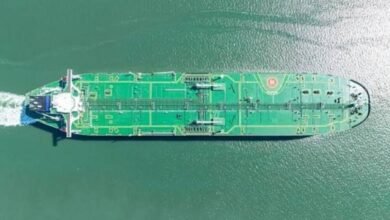
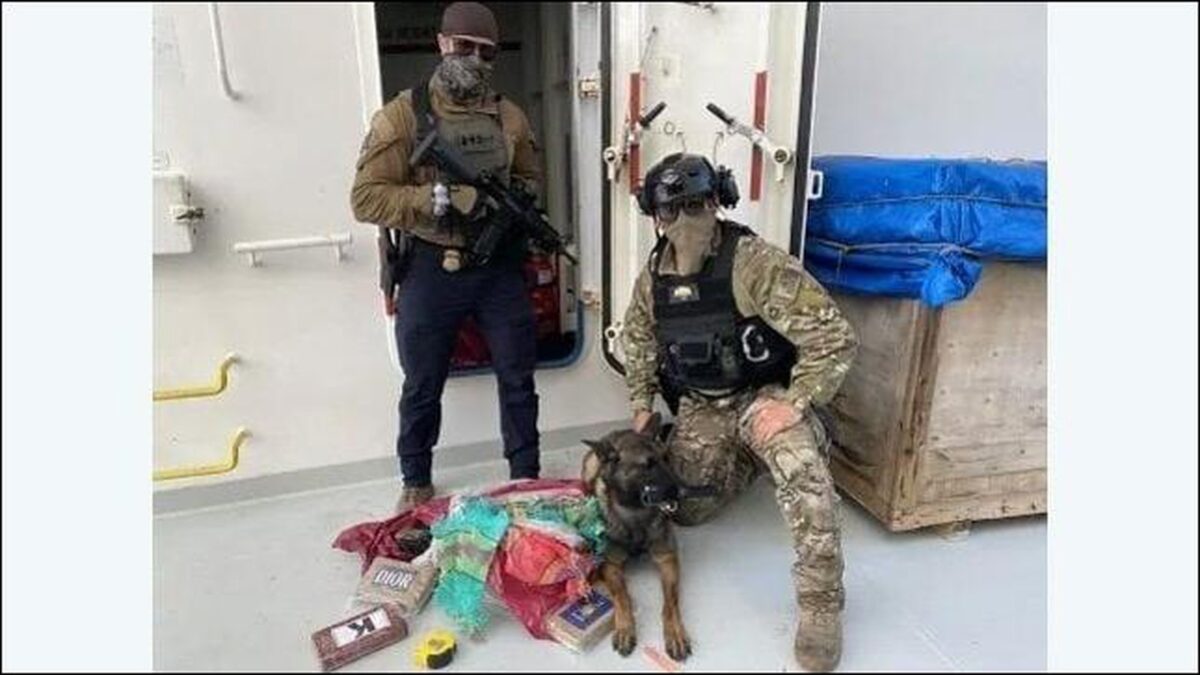
The operation unfolded after the Greek-owned, Liberian-registered crude oil tanker Aquatravesia (133,000 dwt) anchored at the Port of Los Angeles. The vessel, which had departed from Ecuador on May 8 and was northbound, became the target of federal authorities. Homeland Security agents, supported by the Coast Guard, boarded the tanker to secure the vessel and investigate the suspected contraband. Their diligent efforts led to the discovery and cocaine seizure of 227 kilograms of illicit narcotics, skillfully concealed within the ship’s garbage room. This significant haul represented a substantial quantity of pure cocaine, capable of generating millions on the black market and fueling widespread addiction.
The swift action by federal agencies, including DHS, USCG, and ICE, demonstrates the robust capabilities and inter-agency cooperation essential for effective drug interdiction operations in crucial maritime hubs like the Port of Los Angeles. Such coordinated responses are vital in disrupting the flow of illicit substances into the country and maintaining border security. The meticulous planning and execution of the boarding operation ensured the safety of all personnel involved while successfully neutralizing the threat posed by the contraband onboard. This incident serves as a powerful reminder of the continuous vigilance required at major ports to prevent the entry of illegal goods.
Unraveling the Cartel’s Maritime Drug Smuggling Plot
The U.S. Attorney’s Office revealed that the drugs were initially discovered by vigilant crewmembers of the Aquatravesia. Upon finding the suspicious packages hidden in the garbage room, the captain was immediately informed. Taking control of the situation, the captain secured the packages and promptly notified U.S. authorities, demonstrating responsible adherence to maritime protocols. However, further investigation unveiled a more sinister plot: the illicit cargo was not merely a random discovery, but was being intentionally transported for delivery to a Mexican drug cartel. This sophisticated arrangement highlights the prevalent strategy used by drug syndicates to exploit commercial shipping for their criminal enterprises, leveraging the vastness and anonymity of the global supply chain.
The details of the cartel’s plan were alarming. The tanker was instructed to meet a small boat approximately 80 nautical miles from shore, with the handover scheduled for the evening of May 14 or the morning of May 15. The operators of the smaller vessel were reportedly armed, adding a layer of threat and danger to the illicit exchange. Crucially, the cartel issued a chilling warning: if the tanker failed to make the handover at the assigned time, they would actively pursue and retake their contraband while the vessel was still in Mexican waters. This aggressive threat underscores the cartel’s determination and the high stakes involved in maritime drug smuggling operations, showcasing the extreme lengths to which transnational organized crime will go to secure their illicit profits.
The Sailor’s Confession and International Investigations
Following the captain’s notification and the subsequent boarding by authorities, an intensive investigation commenced. As part of this inquiry, the captain interviewed the crewmembers. During these interviews, a 43-year-old Filipino national, identified as Ceasar Tubay Gelacio, confessed to possessing the drugs and being involved in the smuggling operation. Gelacio’s confession was a pivotal moment in the investigation, providing crucial insights into the inner workings of this specific maritime drug trafficking scheme. The arrested sailor’s admission corroborated the details of the cartel’s planned rendezvous, solidifying the case against the involved parties and demonstrating the vulnerability of individual crewmembers to coercion or complicity in such criminal activities. The charges brought against Gelacio underscore the serious legal repercussions awaiting those involved in narcotics transportation across international borders.
This incident also prompted broader international investigations, as authorities work to dismantle the entire network responsible for this cocaine seizure. The crude oil tanker’s journey, originating from Ecuador, indicates potential links in the supply chain stretching across South America and into major distribution networks. Collaborations with international law enforcement partners are essential in tracking the origins of such illicit substances and identifying other individuals or entities involved in facilitating drug smuggling through the global shipping industry. The successful apprehension and confession not only address immediate threats but also contribute vital intelligence to the ongoing global fight against transnational organized crime and maritime drug trafficking syndicates.
Broader Implications for Global Shipping Security
This high-profile cocaine seizure serves as a stark reminder of the persistent and evolving threat that maritime drug trafficking poses to global shipping security. Commercial vessels, including tankers, are frequently exploited by drug syndicates due to their vast cargo capacities and extensive routes, making them attractive conduits for transporting large quantities of illicit substances. The incident highlights the vulnerability of seemingly legitimate maritime operations to drug smuggling, placing crewmembers, vessel owners, and operators in precarious positions. The economic repercussions, legal liabilities, and reputational damage associated with such incidents can be severe for shipping companies, emphasizing the critical need for robust security protocols and vigilant crew awareness across the industry. This event underscores the ongoing battle against narco-trafficking that continues to challenge international trade and maritime safety.
Furthermore, the detailed account of the Mexican drug cartel’s threats and elaborate handover plan illustrates the increasing audacity and sophistication of transnational organized crime groups. These syndicates operate with significant resources and a willingness to use intimidation, posing a direct threat to the safety and security of seafarers. The continuous pressure from law enforcement agencies, such as Homeland Security, the U.S. Coast Guard, and ICE, is paramount in deterring these criminal networks. Strengthening international cooperation, intelligence sharing, and port security measures are all crucial steps in creating a more secure maritime environment. The successful outcome of this drug interdiction sends a clear message to drug syndicates that their illicit operations at sea will be met with resolute and coordinated law enforcement action, protecting both lives and legitimate commerce.
The successful US cocaine seizure and the subsequent arrest of a sailor aboard the Aquatravesia tanker represent a significant victory in the ongoing fight against maritime drug trafficking. This operation, orchestrated by key U.S. federal agencies, effectively disrupted a Mexican drug cartel’s elaborate smuggling attempt and brought a culpable crewmember to justice. It underscores the critical importance of inter-agency collaboration, vigilant reporting by maritime professionals, and unwavering commitment to global security. Such successful interventions not only keep dangerous drugs off the streets but also reinforce the integrity of international shipping, sending a strong deterrent message to those who seek to exploit legitimate trade for illicit gains.