

US Treasury blacklist hits 1,570 vessels as crude tankers dominate

The US Treasury blacklist now names 1,570 vessels, with crude oil tankers and Panama-flagged ships facing the highest compliance risks.
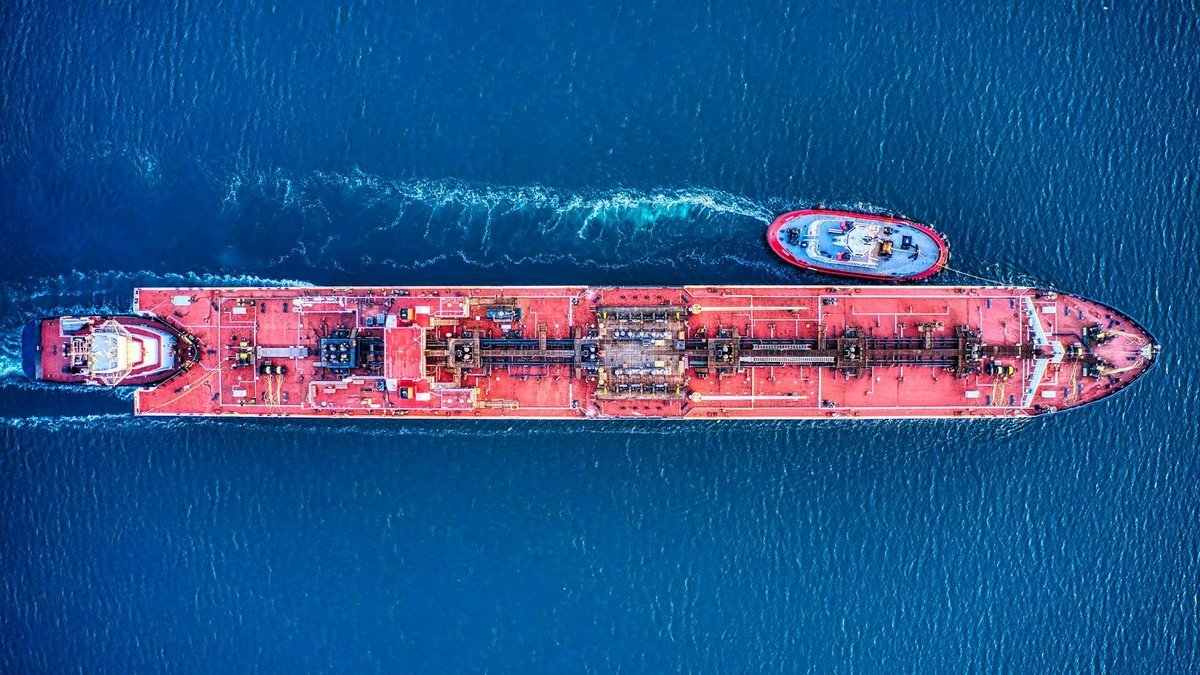
The US Treasury’s blacklist has expanded to 1,570 vessels, a scale that places the crude oil tanker segment at the center of global sanctions enforcement. With nearly 30% of all listed hulls being crude carriers, mainstream owners and charterers face an increasingly complex screening environment to avoid prohibited dealings.
Data from the Office of Foreign Assets Control (OFAC) Specially Designated Nationals (SDN) list, downloaded on 20 November 2026, shows that Iran and Russia account for the vast majority of blacklisted tonnage. Iran-linked vessels number 672, while Russia-linked vessels total 436. Other categories, including counter-terrorism designations and vessels linked to Venezuela and North Korea, make up the remainder of the 1,570 blocked properties.
Panama is the most frequently recorded flag on the list with 275 vessels, followed by Russia with 243 and Iran with 192. China also features prominently with 158 flagged vessels designated. Among vessel types, crude oil tankers are the most common at 443 units, followed by 182 general cargo ships and 92 LPG tankers.
Why it matters
The concentration of 443 crude oil tankers on the SDN list means the tanker market is the primary front for US financial enforcement. For legitimate owners and charterers, this creates a shrinking pool of compliant tonnage and a heightened risk of accidental exposure. When nearly one-third of a blacklist consists of a single vessel class, the cost of due diligence for every crude fixture rises accordingly.
The data also identifies Panama as the leading flag for sanctioned vessels. This puts a specific burden on port operators and insurers who must treat Panama-flagged tonnage with a higher level of scrutiny. While a Panama flag is standard for much of the global fleet, its presence on 275 blacklisted hulls suggests that the registry is a primary target for US authorities looking to disrupt sanctioned trade flows.
For finance and insurance providers, the list of 1,570 vessels represents a hard boundary. Because US persons are generally prohibited from dealing with these blocked properties, any vessel on this list is effectively exiled from the Western financial system. This forces these ships into a parallel economy where they operate without standard insurance or tier-one banking, increasing the operational risks for any compliant vessel sharing the same sea lanes or ports.
What to watch
Watch for changes in flag registration for these 1,570 vessels, as the OFAC list records the flag at the time of designation and may not reflect current registry status. Any mass migration to new flags will signal where the next round of US Treasury enforcement is likely to land.