

Phillips 66 targets 40-year extension for Los Angeles oil terminal

Port of Los Angeles releases environmental draft for Phillips 66 terminal improvements, securing oil operations for up to 40 years.
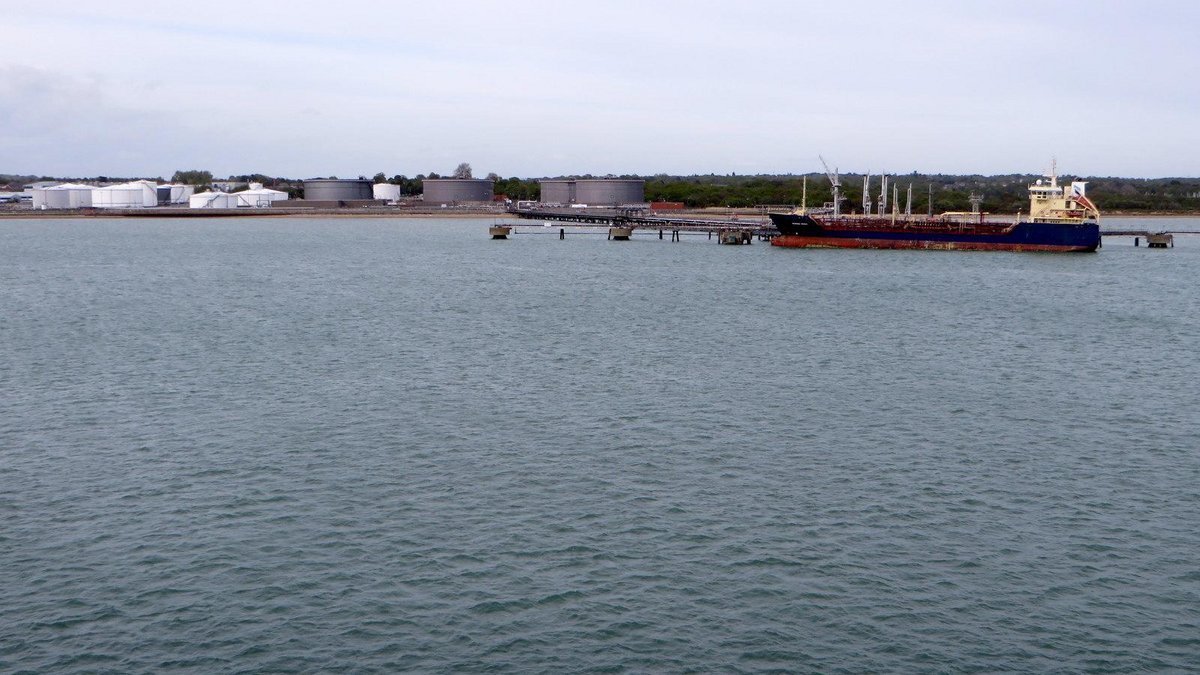
The Port of Los Angeles has moved to secure the long-term future of its liquid bulk capacity by releasing a draft environmental report for a major overhaul of the Phillips 66 terminal at Berths 148-151. The proposal would lock in oil operations at the site for up to 40 years, modernizing infrastructure to meet California’s strict engineering standards.
Phillips 66 plans to construct a new berthing facility at Berths 150-151 that complies with Marine Oil Terminal Engineering and Maintenance Standards (MOTEMS). While the new loading platform is under construction, the operator will continue using the existing wharf at Berths 148-149 as a terminal. Once the new facility is complete, Berths 148-149 will be repurposed for non-oil uses, including topside equipment storage and harbor craft mooring.
The project involves extensive landside upgrades to piping, vapor recovery systems, support systems, and tankage. The Port is considering a new 20-year entitlement for the project, which includes two optional 10-year extensions, following an environmental review process that began in February 2023.
Why it matters
For tanker owners and charterers, this project represents a rare long-term commitment to fossil fuel infrastructure in California. A 40-year operational horizon provides the regulatory certainty needed to justify long-term vessel deployments and supply chain planning in the San Pedro Bay. By securing these extensions, Phillips 66 is signaling that this terminal will remain a central node for regional energy logistics for decades.
The shift to MOTEMS compliance is a mandatory hurdle for California terminals, and this investment ensures the facility avoids the risk of forced closure due to aging infrastructure. The upgrades to vapor recovery and landside systems mean the terminal is positioning itself to handle throughput more efficiently under increasingly tight environmental oversight, reducing the risk of operational interruptions for cargo owners.
The repurposing of Berths 148-149 for harbor craft mooring offers a direct operational benefit to the wider port. Moving non-cargo vessels out of the main channel flow to these berths is intended to reduce congestion, which helps lower the risk of transit delays for larger tankers navigating the Wilmington area.
What to watch
The Port will hold a virtual public meeting at 4 p.m. on Wednesday, Dec. 8, to receive comments on the draft report. Stakeholders have until Monday, January 4, 2027, to submit written feedback before the Final Environmental Impact Report is completed.