

US Military to Seize Ships Receiving Iranian Cargo via STS Transfer
CENTCOM warns that ships receiving Iranian cargo at sea face boarding and seizure as the US military closes the ship-to-ship transfer loophole.
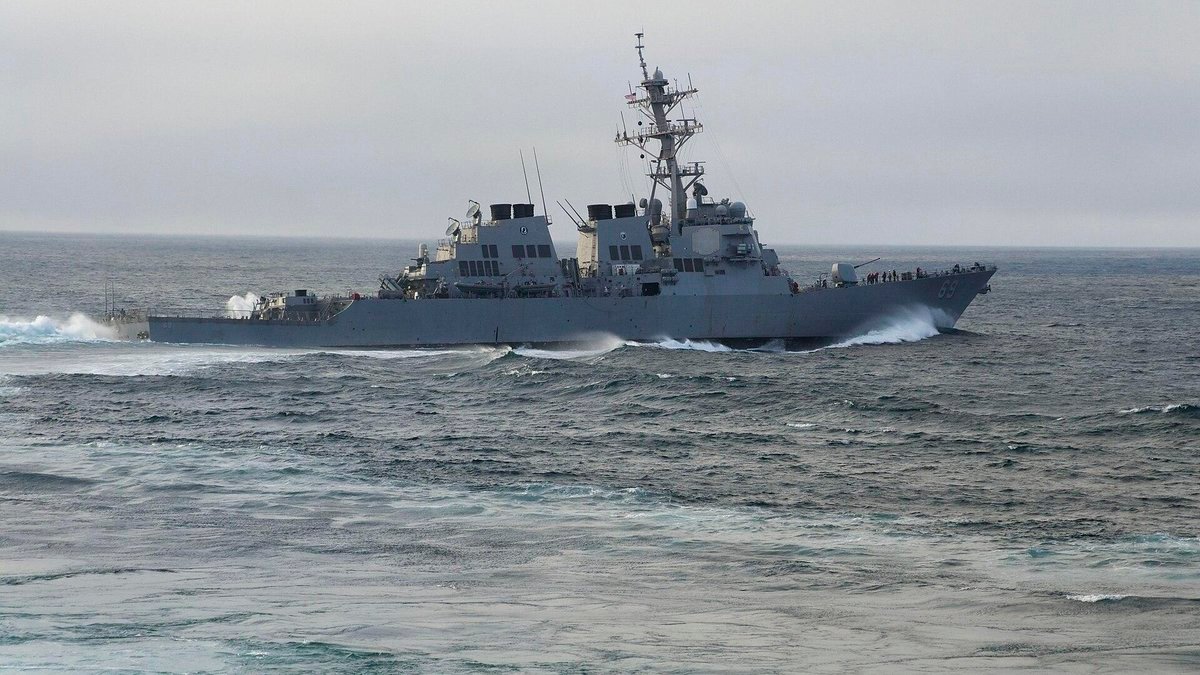
The US military will treat any vessel receiving cargo at sea from ships loaded in Iran as a blockade runner, exposing third-party operators to boarding, capture, and the use of force. According to a Wednesday advisory from US Central Command (CENTCOM), ships participating in these ship-to-ship (STS) transfers may be seized even if they never enter an Iranian port or approach the Iranian coastline.
The naval blockade on Iran-related oil exports was reimposed on July 14 after a draft agreement between Washington and Tehran collapsed. Under the updated enforcement rules, CENTCOM stated that ships found receiving Iranian-origin cargo may be directed to proceed to the specific Iranian port where the cargo originated. The advisory warns that failure to comply with boarding or blockade forces could result in enforcement action consistent with applicable law.
While Iranian crude exports have remained at a near standstill for months, shipping intelligence and security sources told Reuters that Tehran has successfully exported liquefied petroleum gas (LPG) and jet fuel since July. The new advisory specifically targets the mid-stream transfers that have allowed these products to reach global markets despite the presence of US warships like the USS Rafael Peralta.
Why it matters
This policy shift removes the primary layer of plausible deniability for shipowners and charterers moving Iranian product. By treating STS recipients as blockade evaders, the US military is effectively extending the geographic reach of its enforcement. Any vessel taking on Iranian fuel or gas in international waters is now a legitimate target for diversion or capture, raising the stakes for the dark fleet and its commercial partners.
The risk is not merely legal or financial but physical. The explicit mention of the use of force, combined with the recent US strike on an Iranian missile site on Qeshm Island, indicates a move toward more aggressive kinetic enforcement. For crews and insurers, the Strait of Hormuz has become a high-threat zone where commercial operations are increasingly caught in the crossfire, as seen in the recent attack on the LPG tanker Tara Gas which left one seafarer missing.
Operational costs are likely to rise as the pool of available tonnage shrinks. Tankertrackers.com reports that the number of empty tankers sailing to collect Middle East crude is already sliding. With the US military now authorized to divert ships back to Iranian ports, the risk of a vessel being removed from the market for an indefinite period is a concrete threat to fleet capacity and chartering schedules.
What to watch
The next trigger for the market will be the first confirmed seizure of a non-Iranian vessel under these STS rules, which will test the US military’s willingness to use force against commercial tonnage. Watch for a potential drop in Iranian LPG and jet fuel exports as the risk of capture begins to outweigh the premiums offered for the trade.
Source: gCaptain