

Ukrainian Drone Strikes Halve Russian Oil Refining Capacity
Ukrainian drone attacks on 15 Russian refineries slash processing volumes, threatening global fuel supplies and Russian export capacity.
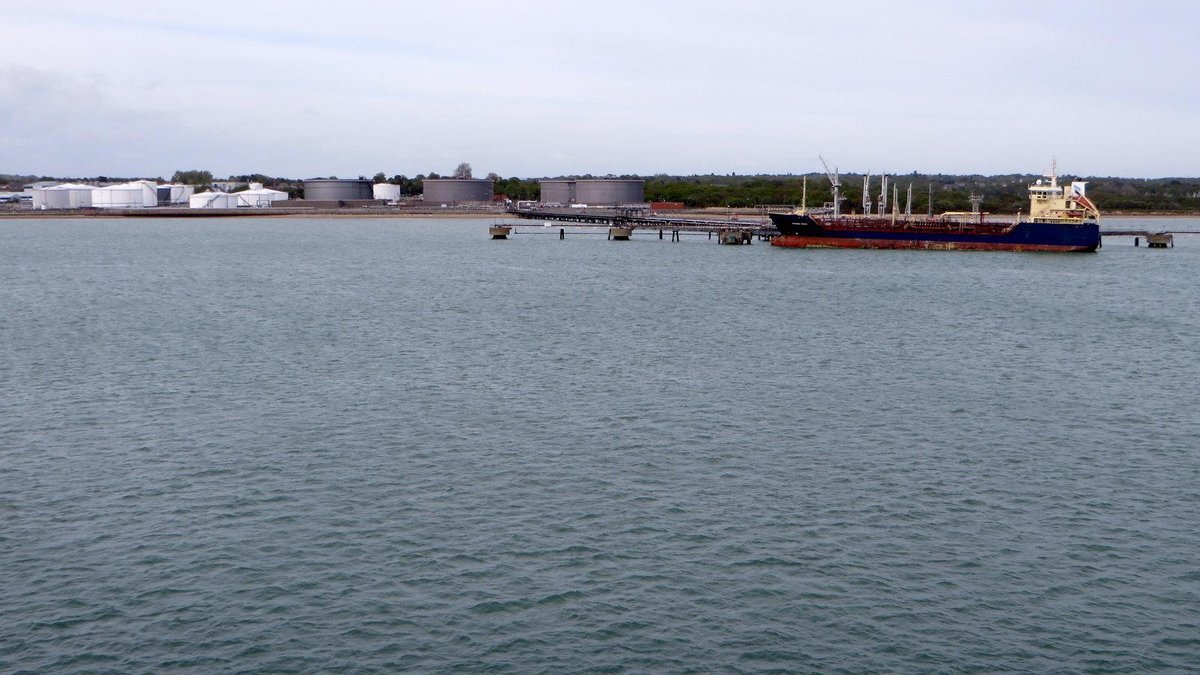
Ukrainian drone strikes have slashed Russian oil refinery processing by 45% since late October, a collapse that threatens to starve global fuel markets and choke Russian export terminals. Industry sources estimate that crude processing volumes at Russian refineries have plummeted to approximately 400,000 metric tons per day, down from over 700,000 metric tons at the end of October.
The attacks have now disrupted or halted operations at 15 of Russia’s 35 major refineries, up from nine in the middle of last week. Affected plants include major facilities in Ryazan, Yaroslavl, Kirishi, and the Volga region. Russian energy ministry officials have not responded to requests for comment, but the recent activity represents the largest overnight drone attack on the country since the war began in 2022.
While US President Donald Trump announced an energy ceasefire between Russia and Ukraine on October 11, the conflict has since intensified. Ukrainian drone attacks have increased in scale and frequency as Russia ramps up its own drone and missile strikes. The combined nominal capacity of Russian refineries affected by the strikes since late October stands at 500,000 tons per day, equivalent to 54% of the country’s total primary refining capacity.
Why it matters
For tanker owners and charterers, the immediate risk is a sharp reduction in clean product cargoes available for export. With processing volumes down, Russia’s ability to feed its export terminals is compromised, leading to restricted export capacity at ports. This supply squeeze threatens to tighten global fuel markets as Russian product is removed from the mix.
The disruption hits the diesel trade specifically. Russia’s capacity to fulfill deals for diesel exports to the United States is now in doubt. This supply gap likely forces traders to source product from alternative hubs, shifting ton-mile demand and vessel requirements for the remainder of the year.
Domestically, Russia is already reporting fuel shortages in several regions. If Moscow prioritizes internal supply to stabilize its own economy, the volume of fuel reaching the water for international markets will drop even further than the refining figures suggest. This leaves cargo owners and insurers facing a more volatile and unpredictable export environment out of Russian ports.
What to watch
Watch for whether average crude processing volumes for the full month of November stay above the 500,000-ton mark, which will determine the extent of the total monthly export shortfall.
Source: MarineLink