Skagen Port Awards Shore Power Contract to PowerCon | Mariner News
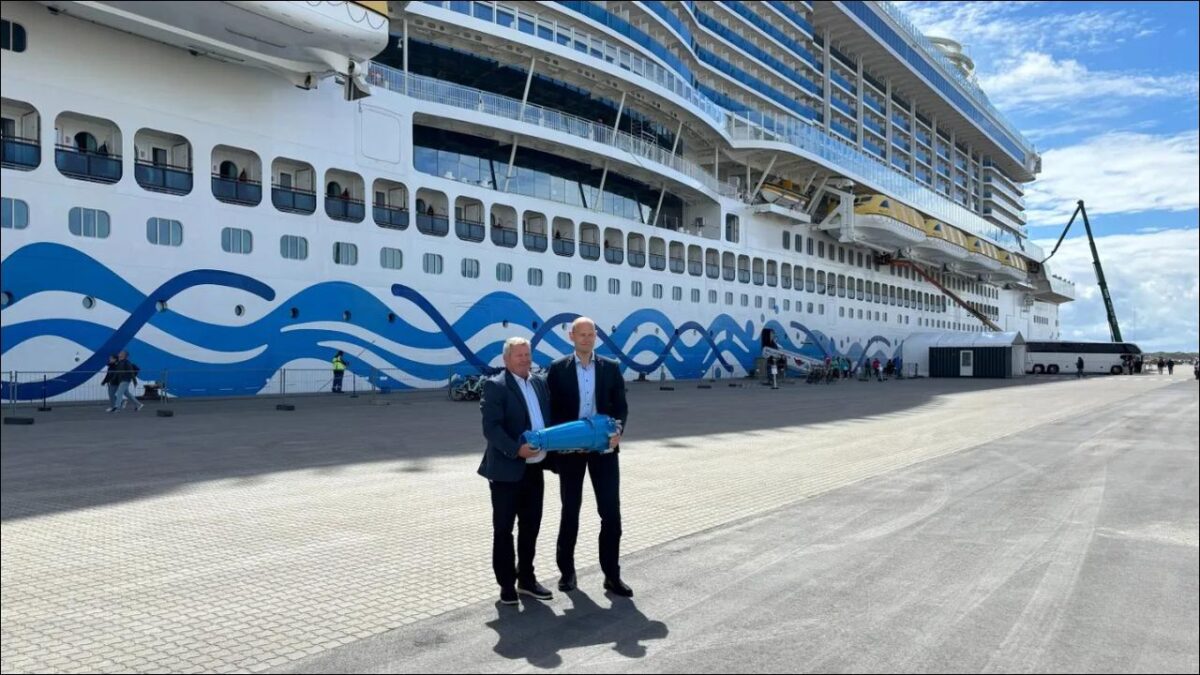
The maritime industry is charting a course towards a greener future, and Denmark’s Port of Skagen is at the forefront of this transformation. In a significant move set to bolster sustainable shipping practices, the Port of Skagen has officially awarded a comprehensive shore power contract to PowerCon, a leading expert in providing advanced electrical solutions. This landmark agreement marks a pivotal step in reducing environmental impact from cruise ship operations and reaffirms Skagen’s commitment to fostering a more sustainable maritime environment. The new facility, specifically designed for cruise vessels, will enable ships to connect to onshore electricity, effectively shutting down their auxiliary diesel engines while berthed, thereby drastically cutting down on air pollution and noise emissions in the port area.
This strategic partnership with PowerCon is not merely an infrastructure upgrade; it represents a tangible investment in the health of the local community and the broader global effort to decarbonize the shipping sector. The project underscores the growing momentum for cold ironing technology, a crucial component in the toolkit for achieving greener ports worldwide. With an expected operational date in the 2028 cruise season, the Port of Skagen is setting a high standard for environmental responsibility in the Nordic region, illustrating how practical solutions can significantly contribute to the maritime industry’s sustainability goals.
A Strategic Partnership for Green Maritime Operations
The decision by the Port of Skagen to partner with PowerCon was driven by the latter’s proven track record and expertise in delivering robust, high-capacity shore power solutions. PowerCon, known for its innovative approaches to complex electrical engineering, is tasked with designing, supplying, and installing the cutting-edge 16 MW facility at Quay 9. This substantial power capacity is specifically tailored to meet the significant energy demands of modern cruise ships, ensuring a seamless transition from onboard diesel generators to clean, grid-supplied electricity.
This collaboration is more than just a vendor-client relationship; it’s a shared vision for advancing green maritime operations. Both entities are deeply committed to enhancing environmental performance and operational efficiency. The DKK 85 million project represents a substantial investment by the Port of Skagen, highlighting its dedication to implementing sustainable infrastructure that will serve the port and its visiting vessels for decades to come. The comprehensive nature of the contract ensures that every aspect of the shore power system, from initial design to final commissioning, will adhere to the highest standards of safety, reliability, and environmental efficacy.
Revolutionizing Cruise Ship Operations at Quay 9
The planned 16 MW shore power facility at Quay 9 is poised to transform how cruise ships operate during their calls at the Port of Skagen. Once operational, it will allow vessels to plug into the local electrical grid, a process often referred to as “cold ironing.” This eliminates the need for ships to run their diesel engines, which traditionally supply power for lighting, heating, air conditioning, and other onboard systems while docked. The benefits are multifaceted and immediate.
Firstly, the reduction in air pollution is paramount. Diesel emissions contain harmful particulates, nitrogen oxides (NOx), sulfur oxides (SOx), and carbon dioxide (CO2), all of which contribute to local air quality issues and global climate change. By switching to shore power, these emissions are eliminated at the source within the port area, leading to cleaner air for the Skagen community. Secondly, noise pollution from idling ship engines will be significantly reduced, enhancing the tranquility of the port and surrounding residential areas. Furthermore, the facility promises enhanced operational safety and efficiency on the quay, featuring an integrated energy chain system and a fully electric cable management system that minimizes manual handling and potential hazards. Norwegian company Plug – Shore Power also contributed to the project’s design, bringing valuable specialized expertise to ensure optimal functionality and integration.
The Environmental Imperative: Reducing Maritime Emissions
The maritime sector is under increasing pressure to reduce its environmental footprint, with international regulations and public demand pushing for greener shipping practices. Shore power is recognized globally as a critical tool in achieving these goals, particularly for vessels operating in port. The environmental benefit extends beyond local air quality; it also depends heavily on the source of the electricity provided.
If the electricity supplied to the Port of Skagen’s shore power facility is generated from renewable sources, such as wind or solar power, the climate benefits are amplified, leading to a substantial reduction in overall greenhouse gas emissions. This project aligns perfectly with broader national and international decarbonization targets, contributing to a more sustainable future for the entire shipping industry. While shore power tackles emissions in port, it also serves as a complementary solution to the wider decarbonization efforts, which include the development and adoption of alternative marine fuels and energy-efficient ship designs. The implementation of such advanced infrastructure in key regional ports like Skagen demonstrates a proactive approach to environmental stewardship.
Technological Innovation and Project Scope
The DKK 85 million Port of Skagen shore power project is a testament to advanced engineering and environmental commitment. The facility will not only provide a powerful electrical connection but will also integrate an innovative energy chain system. This system is designed to optimize power delivery and manage the complex electrical interface between the port grid and diverse cruise ship requirements. Coupled with a fully electric cable management system, the setup promises unparalleled efficiency and safety, minimizing human intervention and streamlining connection processes.
Construction of this sophisticated infrastructure is projected to take approximately 18 months, indicating a thorough and detailed development plan. The scope of work includes essential electrical upgrades to the port’s existing grid, extensive underground cabling to ensure robust and secure power transmission, and the establishment of new, state-of-the-art transformer stations. These components are vital for converting and supplying the high-voltage electricity needed by large cruise vessels safely and reliably. PowerCon’s expertise will be crucial in integrating these complex systems seamlessly, ensuring that the Port of Skagen’s shore power facility operates at peak performance from its anticipated start date in 2028.
Wider Implications for Green Shipping and Decarbonization
The Port of Skagen’s investment in shore power with PowerCon carries significant implications for the broader green shipping movement. As more ports around the world adopt similar technologies, it creates a powerful network of environmentally conscious maritime hubs. This trend encourages shipping lines to equip their vessels with shore power compatibility, knowing they will be able to leverage these facilities at various destinations. Such infrastructure developments are crucial drivers for the wider decarbonization of shipping, pushing the industry towards a future less reliant on fossil fuels.
While shore power addresses in-port emissions, it also complements ongoing research and investment in alternative marine fuels, such as green hydrogen, ammonia, and biofuels. These combined efforts form a holistic strategy for achieving a net-zero shipping sector. The Skagen project serves as a practical model, demonstrating that significant environmental improvements are achievable today, while simultaneously paving the way for even more radical transformations in marine propulsion and energy use. The successful implementation here will undoubtedly inspire other ports and maritime stakeholders to accelerate their own sustainability initiatives.
Future Outlook for Sustainable Port Infrastructure
The Port of Skagen’s collaboration with PowerCon on this shore power project represents a forward-looking investment in sustainable port infrastructure. As global regulations become stricter and societal expectations for environmental responsibility grow, ports that invest in green technologies like cold ironing will gain a competitive advantage. These facilities attract environmentally conscious cruise lines and cargo operators, strengthening a port’s reputation as a responsible and modern maritime gateway.
Looking ahead, the successful operation of the 16 MW facility at Quay 9 will likely encourage further expansion of shore power capabilities within the Port of Skagen and inspire other Danish and European ports to follow suit. The project positions Skagen as a leader in sustainable port development, demonstrating that environmental stewardship and economic viability can go hand-in-hand. This commitment to advanced green technologies is essential for future-proofing maritime operations and ensuring a healthier planet for generations to come, underscoring the vital role ports play in the global sustainability agenda. The 2028 operational target for this crucial facility will mark a new era of clean and quiet port calls for cruise ships visiting Skagen.