US Forces Rescue 14 Indian Mariners in Indian Ocean | Mariner News
In a dramatic display of international cooperation and maritime vigilance, U.S. forces recently executed a successful maritime rescue operation, saving 14 Indian crewmembers who were stranded in a life raft in the vast and often unforgiving Indian Ocean. This incident, unfolding against a backdrop of rough weather, underscores the critical importance of robust search and rescue (SAR) capabilities and the unwavering commitment to mariner safety across global waters. The quick thinking and coordinated efforts of various entities prevented a potential tragedy, turning a perilous situation into a testament to human resilience and naval professionalism.
The distressing situation began when an unnamed vessel, carrying the Indian mariners, encountered severe weather conditions that rendered it unmanageable. Faced with immediate danger, the crew bravely put out a distress call around 10:00 local time. This urgent plea for help activated a finely tuned network of international maritime response protocols, setting in motion a chain of events that would ultimately lead to their safety. The promptness of this initial alert proved to be a pivotal factor in the successful outcome of the sea rescue mission.
Responding to Distress: The U.S. Navy’s Swift Action
Upon receiving the distress call, the U.S. Navy swiftly dispatched a P-8 patrol aircraft, a sophisticated maritime surveillance and reconnaissance aircraft renowned for its long-range capabilities and advanced sensor suite. The P-8 quickly located the distressed vessel and its crew, confirming the gravity of their situation. Recognizing the immediate need for survival assistance, the aircraft skillfully deployed a comprehensive SAR kit, which included a vital life raft. The mariners, facing treacherous conditions, managed to board the raft, providing them with a temporary but crucial haven while awaiting further assistance.
This rapid deployment of airborne assets highlights the U.S. Navy’s commitment to global maritime safety and its readiness to respond to emergencies anywhere in the world. The P-8’s ability to cover vast distances and accurately assess situations from above is indispensable in complex Indian Ocean rescue scenarios. The specialized SAR kit, designed for such emergencies, provided essential floatation and survival resources, buying precious time for the Indian crewmembers until surface vessels could arrive on scene.
International Collaboration: Good Samaritans and Naval Assets
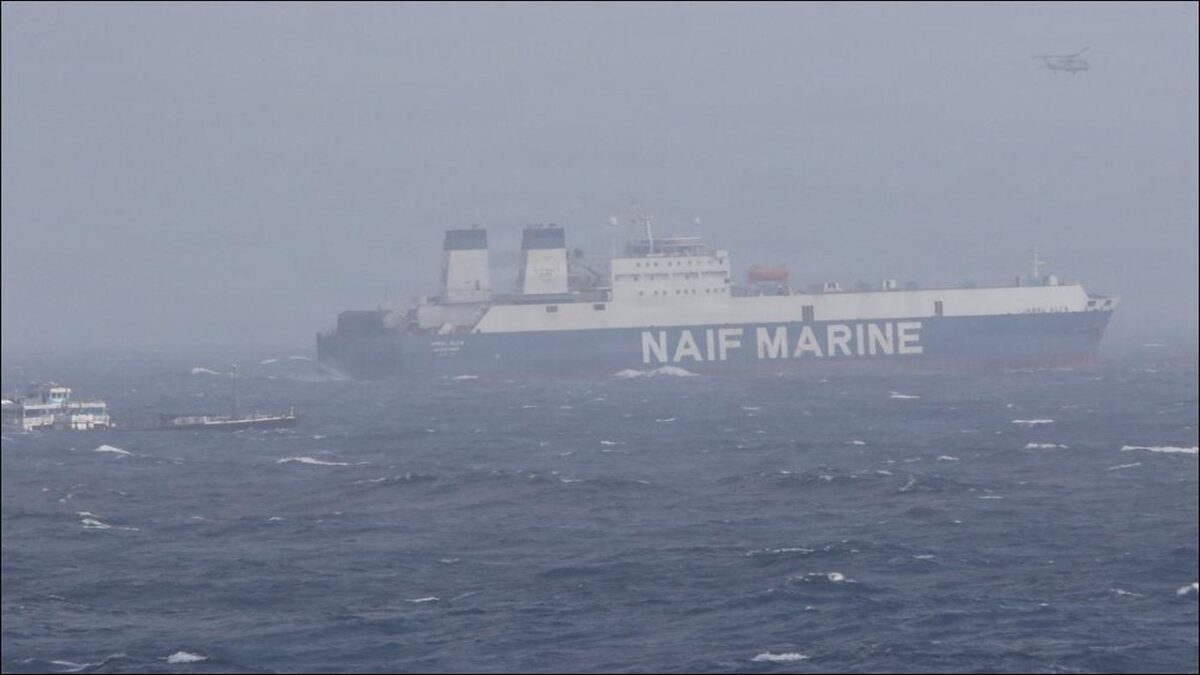
Shortly after the life raft deployment, the multinational response expanded with the arrival of the ro/ro freighter Jabal Ali 9, which acted as a selfless ‘good Samaritan’ vessel. In maritime law and tradition, a good Samaritan is obligated to render aid to those in distress at sea, a principle beautifully exemplified by the Jabal Ali 9’s crew. Their arrival provided the first opportunity for direct assistance to the stranded mariners. Concurrently, the U.S. Navy destroyer USS Michael Murphy also responded to the call, converging on the scene to provide additional support and coordination.
The collaboration between a commercial freighter and U.S. naval vessels underscores the interconnectedness of the maritime world. This synergy is often crucial for successful search and rescue operations, combining specialized military capabilities with the proximity and logistical support offered by merchant shipping. The presence of multiple assets created a robust safety net, ensuring that no effort was spared in bringing the Indian crewmembers to safety. Such cooperative efforts are a cornerstone of effective global maritime emergency response.
The Perilous Transfer: Overcoming Challenges at Sea
The initial phase of the rescue saw the Jabal Ali 9’s crew skillfully retrieve 11 of the 14 Indian mariners from the life raft. However, the inherent challenges of conducting a rescue in rough seas became starkly evident when, tragically, the life raft capsized. This sudden turn of events plunged the remaining three crewmembers into the perilous ocean waters, significantly escalating the danger and adding a layer of complexity to the already challenging sea rescue operation. The crew’s lives hung precariously in the balance as waves battered them.
In response to this immediate crisis, a U.S. Navy MH-60 Sea Hawk helicopter was deployed, demonstrating the versatility and crucial role of air assets in advanced SAR missions. The helicopter’s crew executed a daring recovery, plucking the three distressed Indian crewmembers directly from the churning water. Their swift and precise actions were vital in preventing any further casualties. The rescued mariners were then safely transported and delivered to the Jabal Ali 9, all reported to be in good condition despite their harrowing ordeal. This seamless transfer from sea to air to surface vessel epitomizes the high level of training and coordination inherent in U.S. naval rescue operations.
Prioritizing Mariner Safety and Preparedness
This successful maritime rescue serves as a powerful reminder of the global commitment to mariner safety. The inherent dangers of working at sea necessitate stringent safety protocols, comprehensive emergency training, and rapid response mechanisms. For naval forces like those of the United States, maintaining a high state of readiness for search and rescue missions is a continuous endeavor, involving regular drills and exercises simulating a wide array of maritime emergencies. This preparedness directly translates into saving lives when real-world crises erupt in regions like the Indian Ocean.
The professionalism displayed by all parties involved – from the initial distress call by the Indian crewmembers to the coordinated efforts of the P-8 aircraft, the USS Michael Murphy, the MH-60 Sea Hawk, and the crew of the Jabal Ali 9 – highlights the importance of standardized procedures and effective communication. Every second counts in a sea rescue, and the ability to act decisively and in concert can mean the difference between life and death. Investing in advanced training and equipment is paramount for safeguarding those who navigate the world’s oceans.
Technological Edge in Modern Search and Rescue Operations
The success of this operation was significantly bolstered by the deployment of advanced technology. The U.S. Navy P-8 patrol aircraft, for instance, is not just an observation platform but a sophisticated system capable of deploying critical life-saving equipment from the air. Its ability to quickly locate, assess, and provide initial aid greatly enhances the chances of survival for stranded mariners. Similarly, the MH-60 Sea Hawk helicopter, with its hoisting capabilities, represents the pinnacle of airborne rescue technology, allowing for precise recovery even in challenging sea states.
Beyond the aircraft themselves, modern maritime rescue operations rely heavily on satellite communication systems, GPS tracking, and advanced weather forecasting to coordinate efforts across vast distances. These technological advancements enable rescue coordinators to pinpoint locations with accuracy, communicate vital information in real-time, and adapt strategies as conditions evolve. Such tools are indispensable for naval rescue operations in remote areas of the Indian Ocean and beyond, continuously improving the efficacy and safety of SAR missions and ensuring the highest level of crew safety.
The Human Element: Bravery and Professionalism in Crisis
While technology plays a crucial role, the human element remains at the heart of every successful sea rescue. The bravery of the Indian crewmembers in activating their distress call and enduring their ordeal, coupled with the unwavering courage and professionalism of the rescue teams, stands as a powerful testament to the human spirit. The crew of the Jabal Ali 9, without hesitation, altered their course to assist, embodying the maritime tradition of aid at sea. The U.S. Navy pilots and rescue swimmers, facing rough conditions, executed complex maneuvers under pressure, putting their own lives at risk to save others.
These individuals, whether civilian or military, are the backbone of global maritime safety. Their extensive training, quick thinking, and dedication to duty are what ultimately make operations like this Indian Ocean rescue possible. The physical and psychological demands of such missions are immense, yet these individuals consistently rise to the challenge, driven by a profound commitment to preserving life at sea. Their actions embody the best of international cooperation and human compassion in the face of adversity, reinforcing global standards for mariners safety.
Lessons Learned and Future Implications for Maritime Safety
The successful rescue of these 14 Indian crewmembers provides valuable lessons and reinforces the continuous need for vigilance in global maritime safety. It highlights that even with advanced technology, unpredictable factors like severe weather can quickly turn a routine voyage into a dire emergency. Therefore, ongoing investment in search and rescue assets, continuous training for all mariners, and fostering robust international partnerships are not just beneficial but absolutely essential.
This incident serves as a powerful example of how effective collaboration between navies and commercial vessels, coupled with advanced technology and dedicated personnel, can overcome the most challenging conditions to ensure crew safety. The Indian Ocean remains a vital global shipping lane, and the ability to conduct such intricate maritime rescue operations is paramount. Moving forward, the maritime community must continue to learn from these events, adapting strategies and technologies to enhance safety for all who venture onto the world’s oceans, upholding the highest standards of naval rescue operations and general sea rescue protocols.