U.S. EUCOM Needs More Destroyers to Defend Israel | Mariner News
The U.S. European Command faces a pressing strategic dilemma. A recent report highlights its critical need for an additional naval destroyer to bolster capabilities to defend Israel. This urgent request underscores a severe strain on America’s existing air defense interceptor inventory, forcing military leaders to confront an unthinkable choice: protect Israel from Iranian ballistic missiles, or safeguard European allies and the U.S. homeland from potential Russian aggression. This stark reality, reported by the Washington Post, points to a maritime security challenge of unprecedented scale. Failure to address this gap could have profound implications for regional stability.
The Strained Air Defense Interceptor Inventory
Since heightened tensions with Iran, U.S. forces have expended hundreds of scarce air defense interceptors, including Patriot and SM-series missiles, to counter ballistic missile salvos towards Israel. These incoming threats often possess sophisticated maneuvering capabilities, making them exceedingly difficult to intercept. Pentagon data, reviewed by the Washington Post, indicates that during initial active hostilities, U.S. shoreside batteries and U.S. Navy destroyers deployed approximately 300 advanced interceptors to shield Israeli territory, a significant deployment compared to roughly 190 launched by Israeli forces.
Among these critical assets, around 200 were high-value THAAD (Terminal High Altitude Area Defense) missiles, each valued at an astounding $12 million. The remaining interceptors, deployed subsequently, included SM-2 and SM-3 types launched from U.S. Navy destroyers in the Eastern Mediterranean. Continuous expenditure of these costly interceptors has depleted reserves at an alarming rate, pushing the U.S. European Command to a critical decision point. This directly impacts the nation’s capacity to simultaneously address multiple high-intensity threats, emphasizing the dire need for enhanced defense capabilities.
U.S. Navy Destroyer Deployment in the Eastern Mediterranean
The U.S. 6th Fleet currently operates five air defense destroyers based out of Rota, Spain, vital for America’s naval defense strategy. These formidable warships undergo rigorous rotational deployment, continuously providing sustained protection for critical sites across Israel and Jordan. This relentless operational tempo, while essential for regional security, inevitably takes a toll on the destroyers’ maintenance schedules and material condition. The demanding environment accelerates wear and tear, necessitating more frequent upkeep, which can reduce their active duty availability.
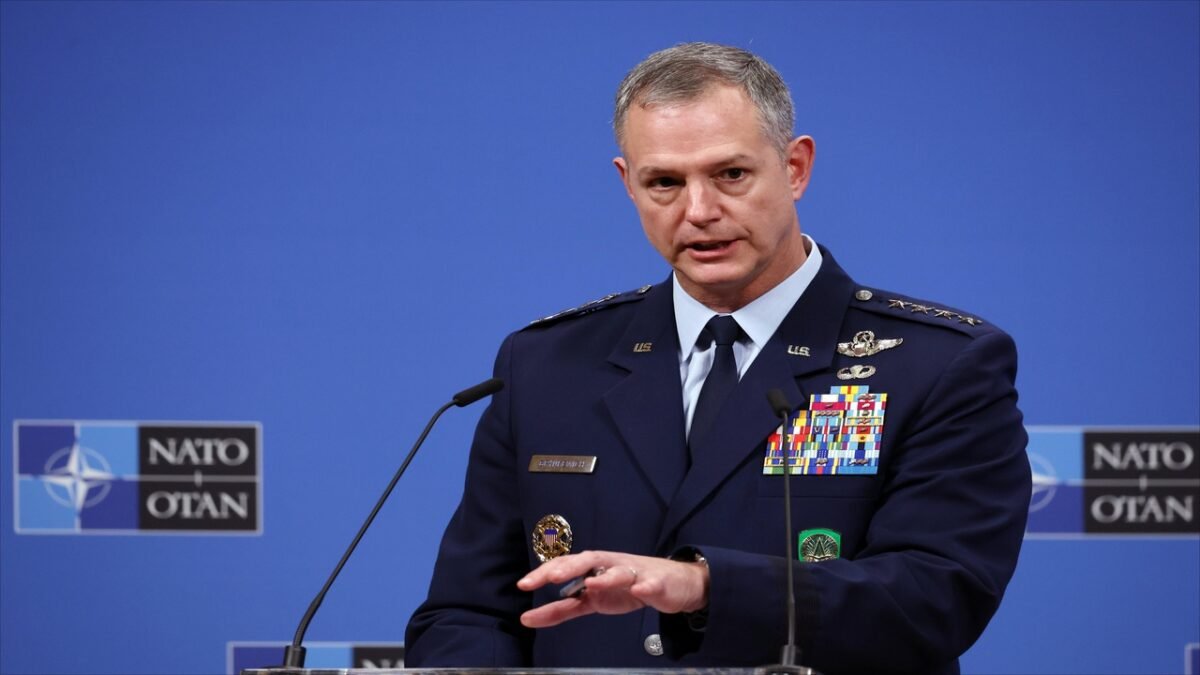
As of last week, according to the Washington Post, only two of these crucial destroyers were actively on station in the Eastern Mediterranean. This limited presence underscores severe operational strain on the U.S. Navy’s existing fleet. Remaining destroyers are likely undergoing maintenance, rest, or transit, highlighting the thin margin of available combat power. The absence of additional naval assets exacerbates the challenge of maintaining persistent air defense coverage. General Alexus Grynkewich’s urgent request for an extra destroyer directly addresses this operational shortfall, aiming to alleviate pressure and ensure more consistent maritime security.
The Growing Geopolitical Threat Landscape
The plea from the U.S. European Command is a direct reflection of a rapidly evolving and perilous geopolitical landscape. The Iranian ballistic missile program continues to advance, posing a significant threat to regional stability, particularly for key U.S. allies like Israel. These missiles, often with sophisticated guidance and maneuvering capabilities, represent a substantial challenge to advanced air defense systems. The sheer volume and technological sophistication of Iran’s missile arsenal demand a robust, layered defense, currently straining U.S. resources.
Concurrently, the resurgence of Russia introduces another layer of complexity and potential conflict, threatening European nations and the U.S. homeland. Russia’s advanced missile capabilities and strategic ambitions necessitate a strong defensive posture across Europe. The inherent dual-threat scenario—balancing the defense of Israel from Iranian aggression with protection for Europe and the U.S. from Russian threats—places immense burden on finite air defense interceptors and naval assets. This precarious situation underscores the critical need for an augmented U.S. naval presence to effectively manage multiple, high-stakes defense commitments.
The Strategic Imperative of Enhanced Naval Presence
The request for an additional destroyer transcends operational preference; it represents a strategic imperative vital for maintaining deterrence and ensuring maritime security in a volatile region. A modern U.S. Navy destroyer is a multi-mission platform, capable of critical air defense with its Aegis combat system and interceptor missiles, anti-surface warfare, anti-submarine warfare, and vital presence operations. Increasing these naval defense assets in the Eastern Mediterranean would significantly enhance the U.S. European Command’s flexibility and resilience.
An augmented naval presence directly contributes to a stronger deterrent posture against potential aggressors, signalling America’s unwavering commitment to its allies. It provides greater redundancy and reduces operational burden on individual ships, allowing for more scheduled maintenance and crew rest, improving long-term readiness. Furthermore, an extra destroyer allows for more persistent coverage in key areas, mitigating risks associated with current rotational limitations. Without this critical reinforcement, the U.S. risks creating strategic vulnerabilities, potentially emboldening adversaries and increasing escalations. This enhanced capability is essential for sustaining robust naval power.
Addressing the Future of Maritime Defense
Beyond the immediate need for an extra destroyer, the ongoing crisis illuminates fundamental questions about the future of maritime defense and U.S. strategic readiness. A comprehensive approach is required to address systemic challenges revealed by the current interceptor shortage and strain on naval assets. This must include a substantial increase in industrial production of advanced air defense interceptors, ensuring the U.S. and its allies possess sufficient reserves to meet multiple contingencies without depleting critical stocks. Investment in next-generation air defense technologies and systems is equally crucial, pushing the boundaries of missile defense capabilities.
Furthermore, strengthening allied cooperation and encouraging greater burden-sharing among partners can distribute the immense costs and responsibilities of collective defense. Modernization programs for the entire U.S. Navy fleet, particularly its destroyer and cruiser forces, must be accelerated to ensure America maintains technological and numerical superiority in critical global maritime corridors. The evolving nature of warfare demands continuous innovation and adaptability. A robust and forward-thinking strategy for naval defense and maritime security is not just about current threats but about preparing for future challenges and projecting power responsibly.
Conclusion
The urgent report from the U.S. European Command, detailing the critical requirement for an additional destroyer to defend Israel and secure allied interests, serves as a stark warning. It highlights the perilous balance between finite defense resources and the escalating global threats posed by nations like Iran and Russia. The current strain on air defense interceptor inventories and the operational tempo of U.S. Navy destroyers in the Eastern Mediterranean underscores a critical vulnerability that demands immediate attention. Without swift action to reinforce naval capabilities and replenish vital missile stocks, the U.S. risks compromising its ability to protect key allies and maintain regional stability.
This pivotal moment calls for decisive strategic investment in America’s naval power and defense infrastructure. Ensuring a robust and ready fleet, equipped with ample advanced interceptors, is paramount to deterring aggression, responding effectively to threats, and preserving peace. The future of maritime security in the Eastern Mediterranean and beyond hinges on choices made today. The imperative to strengthen U.S. naval defense cannot be overstated, for it is the bedrock upon which global security and stability rest.