

Global Dockworker Strike Disrupts Major Hubs Over Arms Shipments
Dockworkers in 22 countries strike against arms shipments and seafarer casualties, disrupting major hubs like Piraeus and Valencia.
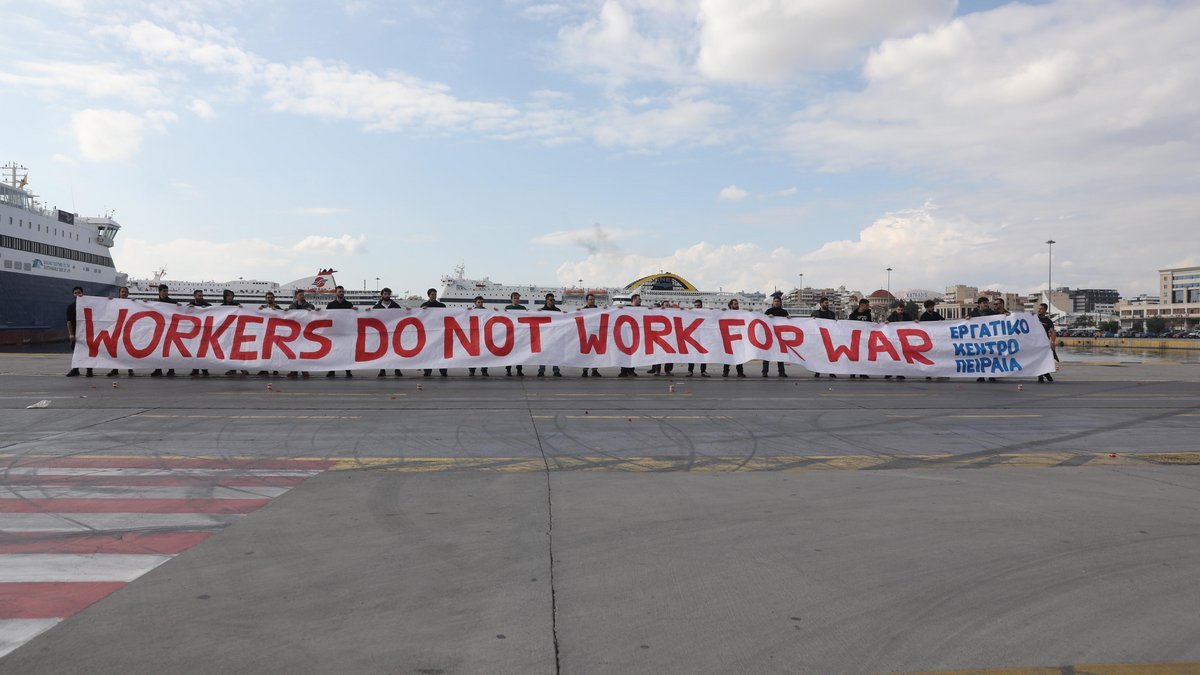
Dockworkers across 113 ports in 22 countries launched a coordinated strike on Friday, signaling a shift in labor action from traditional wage disputes to a direct challenge against the maritime industry’s role in global conflicts. The walkout, which disrupted operations at major shipping hubs including Piraeus, Valencia, Le Havre, and Genoa, targets the transport of arms shipments and protests the rising toll of seafarer casualties in the Black Sea and the Gulf.
The strike was backed by more than 25 unions across Europe, North Africa, and Asia, including Morocco’s Tangier Med and India’s Nhava Sheva. Beyond the ideological protest against military cargo, workers are demanding better working conditions, pay increases to offset conflict-driven inflation, and the right to have doctors on board vessels transiting active war zones.
Operational and Geopolitical Impact
In Piraeus, the strike paralyzed cargo operations and suspended ferry services to the Greek islands as 3,000 workers joined the rally. Activist groups involved in the No Harbour for Genocide campaign estimated the protest could snarl approximately 52,000 containers and disrupt cargo valued at $2.8 billion, though Reuters was not able to independently verify the impact.
The labor action highlights a worsening safety environment for merchant mariners. The Greek seafarers’ union PENEN reported 570 confirmed attacks in the Black Sea this year alone, resulting in 40 deaths. In the Gulf, 28 attacks were recorded in the first 21 days of October, marking a record high since the start of the Iran war. Indian union representatives further noted that 15 Indian seafarers have died due to regional conflict, with many others remaining stranded by blockaded waterways.
The Rise of Labor-Led Cargo Vetting
This widespread industrial action suggests that port labor is increasingly asserting a geopolitical veto over specific cargo types. By refusing to handle military hardware, unions are introducing a layer of operational risk that exists outside of traditional regulatory or sanctions frameworks. For carriers and charterers, this creates a new unpredictability in port calls where local labor sentiment may override contractual obligations to discharge cargo.
The strike also underscores a growing link between frontline port operations and the macro-economic pressures of war. Dockworkers cited the rising cost of energy and essential goods as a primary driver for their wage demands, indicating that the secondary effects of maritime instability are now fueling labor unrest at the shore-side interface. The movement follows the Istanbul Declaration of May 2026, in which unions from over 35 European countries demanded that port facilities no longer be used for the transport of weapons to war zones.