Hagland Charters Wind-Assisted Combi Freighter for Green Fleet | Mariner News
Hagland Shipping’s Bold Move Towards Sustainable Maritime Transport
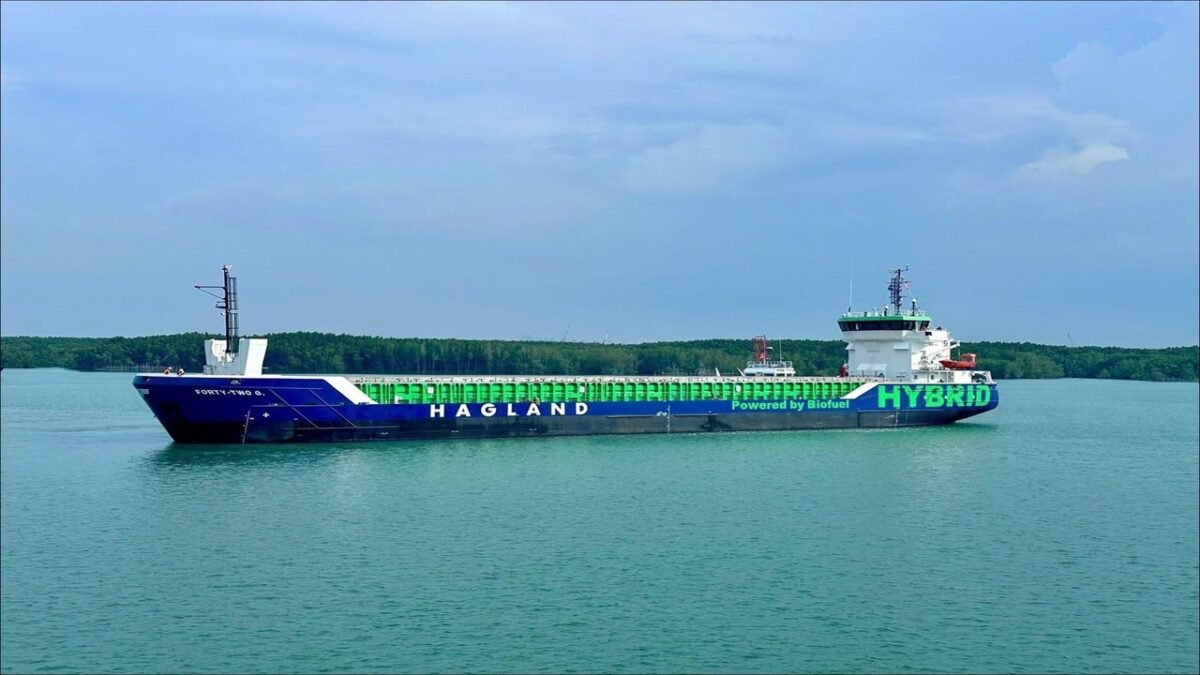
Hagland Shipping, a Norwegian maritime leader, has solidified its commitment to environmental stewardship and operational innovation by integrating a state-of-the-art wind-assisted combi freighter into its fleet under a strategic time charter agreement. This significant development marks another stride forward in the company’s ongoing efforts to cultivate a more environmentally friendly and competitive fleet, directly addressing the pressing global imperative for decarbonization within the shipping industry. The newly chartered vessel, equipped with a suite of advanced green technologies, is poised to make a substantial impact on reducing carbon footprints and enhancing fuel efficiency in the European short-sea dry bulk market.
This strategic acquisition underscores Hagland Shipping’s proactive approach to embracing cutting-edge solutions that mitigate the environmental impact of maritime operations. The decision to employ a vessel featuring both wind-assisted propulsion and a battery-hybrid system reflects a deep understanding of future shipping demands and regulatory landscapes, positioning Hagland at the forefront of sustainable shipping practices. By investing in and deploying such innovative vessels, the company is not only meeting current environmental targets but also setting new benchmarks for ecological responsibility in the highly competitive global shipping arena.
The adoption of this advanced vessel through a time charter arrangement from Germany-based Reederei Gerdes and its commercial arm, over-C, highlights the collaborative spirit essential for driving widespread change within the industry. Such partnerships are crucial for accelerating the development and deployment of green maritime technologies, allowing companies like Hagland to integrate sophisticated, low-emission vessels into their operations efficiently. This move signals a clear intent to prioritize sustainability without compromising on operational effectiveness, ensuring that the company’s fleet remains at the cutting edge of environmental performance.
Unveiling the Eco-Revolution: Wind-Assisted and Hybrid Propulsion
At the heart of this eco-friendly vessel’s design are its revolutionary propulsion systems, which promise substantial reductions in fuel consumption and greenhouse gas emissions. The wind-assisted combi freighter is outfitted with Econowind’s VentoFoils, an innovative auxiliary wind propulsion technology. These VentoFoils harness the power of the wind to generate thrust, significantly supplementing the main engine and thereby reducing the overall energy demand. This reliance on a renewable energy source for propulsion is a game-changer, demonstrating a practical and effective way to cut down on fossil fuel dependency during voyages across the European seas.
Beyond its sail power capabilities, the vessel boasts an advanced battery-hybrid propulsion system. This sophisticated setup allows for periods of fully electric sailing, particularly beneficial in environmentally sensitive areas, port approaches, and while maneuvering. The integration of a battery system means peak loads on the main engine can be smoothed out, further optimizing fuel use and reducing engine wear. This dual-source power generation system — combining the enduring reliability of conventional engines with the clean power of batteries and wind — represents a holistic approach to sustainable maritime operations.
Further enhancing its environmental profile, the vessel is equipped with shore power connectivity. This feature enables the ship to plug into onshore electricity grids when docked, eliminating the need to run auxiliary engines for power generation in port. This not only eradicates local air and noise pollution but also significantly reduces the vessel’s overall carbon footprint during its time in port. Complementing these technologies is an optimized hull design, meticulously crafted to minimize hydrodynamic resistance and maximize efficiency, contributing to lower fuel consumption across all operating conditions.
The combined effect of these innovative features—VentoFoils, battery-hybrid propulsion, shore power, and an optimized hull—is a vessel that embodies the pinnacle of sustainable maritime engineering. It’s a testament to how integrated design and technological advancement can lead to genuinely impactful environmental performance, offering a blueprint for the future of commercial shipping. This blend of cutting-edge green technologies transforms the freighter into a symbol of progress towards a cleaner, more efficient global shipping industry, paving the way for wider adoption of similar eco-friendly solutions.
Pioneering Green Logistics in the European Short-Sea Dry Bulk Market
The strategic deployment of this wind-assisted combi freighter in the European short-sea dry bulk market is particularly significant. This segment of the shipping industry is vital for regional trade and logistics, often serving as an alternative to road transport. By introducing a highly efficient and low-emission vessel into this market, Hagland Shipping is not only enhancing its own service offerings but also contributing to the broader decarbonization of European supply chains. The vessel’s ability to handle dry bulk cargoes efficiently, combined with its eco-friendly attributes, makes it an ideal solution for modern, environmentally conscious logistics.
Short-sea shipping inherently offers environmental advantages over long-haul road transport for many types of cargo, by reducing congestion and emissions from trucks. The introduction of a vessel that takes these advantages a step further—by significantly reducing its own operational emissions—creates a powerful argument for shifting more freight from land to sea. This advanced dry bulk carrier supports a more sustainable continental transport network, aligning with European Union goals for greener logistics and reduced reliance on fossil fuels.
Moreover, the nature of a ‘combi freighter’—a vessel capable of carrying various types of cargo, including dry bulk—adds a layer of versatility and efficiency to its operations. This adaptability allows for optimized cargo utilization and more flexible route planning, further contributing to overall operational sustainability by minimizing empty voyages and maximizing cargo intake. Such multifaceted capabilities make the vessel a valuable asset for diverse shipping needs within the regional market, reinforcing its environmental and economic viability.
This deliberate placement of a technologically advanced, environmentally superior vessel within such a critical market segment highlights Hagland Shipping’s commitment to leading by example. It demonstrates that economic competitiveness and ecological responsibility can go hand in hand, offering a model for other shipping companies to follow. The ripple effect of such innovations is profound, encouraging further investment in green infrastructure and fostering a culture of sustainability across the maritime sector, ultimately benefiting both the economy and the environment.
Driving Decarbonization: Hagland’s Environmental Vision and Industry Trends
Hagland Shipping’s move to integrate this wind-assisted combi freighter into its operations is a clear articulation of its long-standing commitment to building a more competitive and environmentally friendly fleet. The company’s vision extends beyond mere compliance with current regulations; it aims to proactively shape the future of sustainable maritime transport. This latest time charter is part of a broader, strategic initiative to continuously modernize its fleet with vessels that embody the latest advancements in eco-efficiency, thereby ensuring long-term sustainability and resilience in a rapidly evolving industry.
The global shipping industry is under immense pressure to decarbonize, with international regulations such as the IMO 2030 and 2050 targets driving significant technological and operational changes. Companies like Hagland Shipping are responding to this challenge by exploring and implementing diverse green solutions, ranging from alternative fuels to innovative propulsion systems. The adoption of wind-assisted and hybrid technologies represents a pragmatic and effective pathway to achieving these ambitious emission reduction goals, proving that sustainability is not just an environmental imperative but also a strategic business advantage.
Collaborations, such as the charter agreement with Reederei Gerdes and over-C, are pivotal in accelerating this transition. These partnerships facilitate access to cutting-edge vessel designs and technologies, distributing the risks and rewards of innovation across multiple stakeholders. Such alliances foster an ecosystem where expertise and resources can be pooled to bring transformative solutions to market faster, benefiting the entire maritime value chain. It’s a testament to how collective effort can drive monumental progress in the journey towards sustainable shipping.
From an economic standpoint, investing in green technologies yields tangible benefits. Reduced fuel consumption translates directly into lower operational costs, providing a competitive edge in volatile bunker markets. Furthermore, companies demonstrating strong environmental credentials often enjoy enhanced brand reputation, attracting environmentally conscious clients and investors. Hagland’s proactive stance on decarbonization, exemplified by this vessel, positions it as a responsible and forward-thinking industry player, ready to navigate the complexities of a greener future while maintaining robust operational efficiency.
The Future of Shipping: Innovation, Efficiency, and Environmental Stewardship
The deployment of Hagland Shipping’s wind-assisted combi freighter offers a compelling glimpse into the future of maritime transport—a future where environmental stewardship is seamlessly integrated with operational efficiency. This vessel serves as a tangible example of how innovative technologies can fundamentally alter the environmental impact of shipping, demonstrating that significant reductions in emissions and fuel consumption are not just aspirational but achievable realities. It underscores a growing industry trend towards embracing a diverse portfolio of green solutions, moving beyond single-fuel reliance to multi-faceted energy strategies.
The evolution of marine propulsion technologies continues at a rapid pace, with significant investments being made in areas like ammonia, hydrogen, and advanced battery systems. Wind-assisted propulsion, once considered niche, is gaining mainstream traction as its efficacy and economic benefits become clearer. Vessels like Hagland’s new addition showcase the immediate potential of combining existing, proven technologies (like optimized hull design) with emerging ones (like VentoFoils and hybrid power) to create highly impactful, eco-friendly ships that can operate commercially today.
While the path to complete decarbonization of the maritime sector presents various challenges—including infrastructure development for new fuels and the scaling of emerging technologies—the commitment shown by companies like Hagland Shipping provides optimism. Their willingness to adopt and pilot such advanced vessels is critical for gathering real-world operational data, refining designs, and ultimately making these green solutions more accessible and affordable for the broader industry. This forward-thinking approach fosters an environment of continuous improvement and innovation.
In conclusion, Hagland Shipping’s time charter of this wind-assisted, battery-hybrid combi freighter is more than just an addition to a fleet; it’s a powerful statement about the company’s vision for a sustainable maritime future. By prioritizing technologies that reduce emissions, enhance fuel efficiency, and minimize environmental impact, Hagland is not only securing its own competitive advantage but also contributing significantly to the global effort to combat climate change. This initiative sets a precedent for responsible shipping, highlighting that technological innovation and environmental consciousness are the twin pillars upon which the future success of the maritime industry will be built.