Everllence Secures First Order for Dual-Fuel Methane Engines | Mariner News
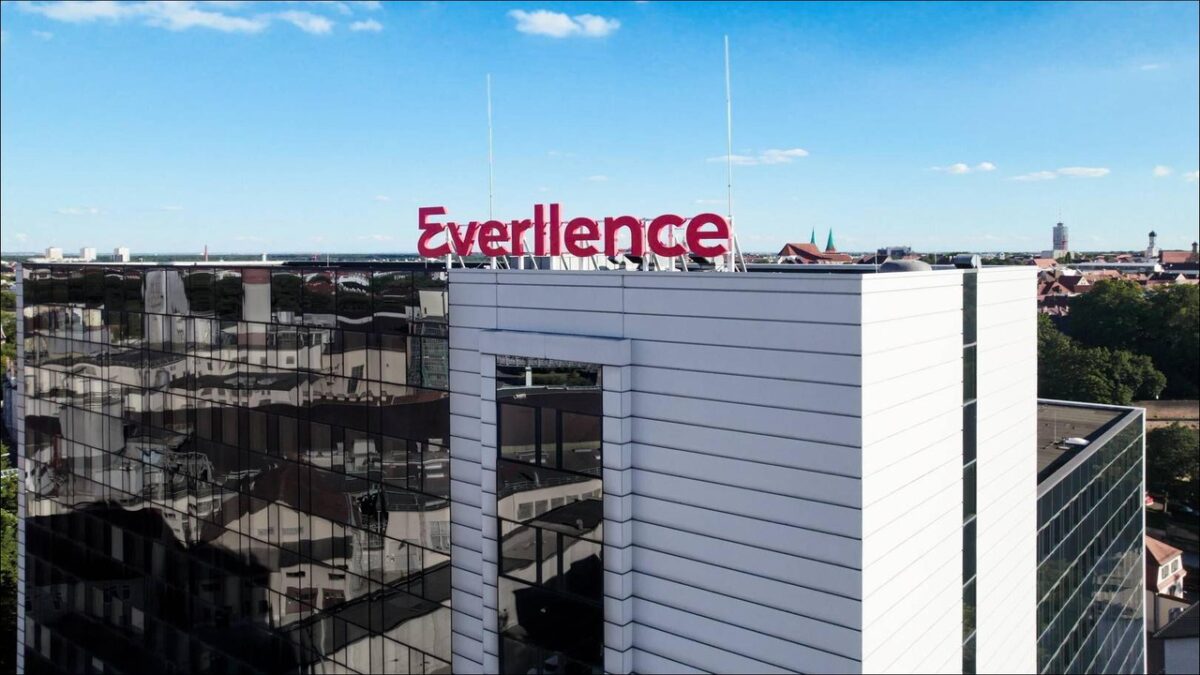
The global maritime industry is undergoing a significant transformation towards environmental sustainability. In a landmark development, Everllence has secured its first order for dual-fuel methane engines, marking a pivotal moment for sustainable shipping and advanced marine propulsion technology. This agreement sees Everllence’s cutting-edge ME-GI engines selected for four new car carriers commissioned by Norwegian shipowner Global Car Carriers. This inaugural order underscores robust market confidence in Everllence’s dual-fuel methane technology, setting a new benchmark for environmentally conscious vessel operations and propelling the industry closer to ambitious decarbonization goals.
Pioneering Sustainable Marine Propulsion with Advanced Dual-Fuel Methane Engines
Everllence’s latest triumph lies in the successful commercial application of its B&W S60ME-C10.5-GI-EcoEGR engine, a marvel of modern marine engineering designed for future shipping demands. These advanced dual-fuel methane engines enable vessels to operate seamlessly on either conventional marine fuel or methane, the primary constituent of Liquefied Natural Gas (LNG).
This operational flexibility offers shipowners significant advantages, allowing adaptation to fluctuating fuel prices and evolving environmental regulations. Beyond versatility, the Everllence engine design stands out for superior fuel efficiency, optimizing energy consumption and reducing operational costs. Crucially, these engines achieve remarkably low methane slip, a key concern with LNG-fueled engines, effectively maximizing the environmental benefits of using LNG. By minimizing this potent greenhouse gas, Everllence ensures a truly greener propulsion solution.
The integration of EcoEGR (Exhaust Gas Recirculation) further enhances performance and reduces emissions, solidifying these engines as a benchmark for powerful and responsible maritime operations, advancing cleaner oceans. This technological leap forward showcases Everllence’s commitment to innovation and environmental stewardship in the global shipping sector.
The Strategic Impact of Everllence’s Inaugural Engine Order
The placement of this inaugural order for Everllence’s advanced dual-fuel methane engines by Global Car Carriers is a strategic move resonating throughout the maritime industry. Four state-of-the-art engines are earmarked for 8,600 CEU (Car Equivalent Unit) vessels, currently under construction at China Merchants Jinling Shipyard in Nanjing. CSSC Engine Co in China will manufacture these pivotal propulsion units, highlighting international collaboration in shipbuilding.
This order extends beyond a transaction, serving as powerful validation for Everllence’s ME-GI engine technology on the robust Mk10.7 platform. As Bjarne Foldager, Head of Two-Stroke Business at Everllence, stated, this milestone unequivocally underscores sustained market confidence in their leading-edge dual-fuel methane technology. For Global Car Carriers, this adoption signifies a proactive approach to fleet modernization and a firm commitment to reducing their environmental footprint, positioning them at the forefront of sustainable shipping practices.
It reflects a broader industry trend prioritizing long-term environmental sustainability and operational efficiency. The strategic choice to invest in cleaner propulsion systems like Everllence’s dual-fuel technology aligns with global efforts to mitigate climate change and ensures compliance with increasingly stringent environmental regulations, securing a future-proof fleet for Global Car Carriers.
Advancing LNG as a Viable Marine Fuel Solution for Decarbonization
Liquefied Natural Gas (LNG), with methane as its principal component, is rapidly gaining traction as a credible marine fuel, playing a critical role in shipping’s decarbonization journey. The appeal of LNG-fueled dual-fuel methane engines stems from significant environmental benefits compared to conventional heavy fuel oil (HFO).
Vessels powered by LNG emit substantially lower sulfur oxides (SOx) and particulate matter, effectively eliminating them, which is crucial for compliance with strict emission control area (ECA) regulations. Furthermore, LNG combustion results in reduced nitrogen oxide (NOx) emissions and offers a notable decrease in carbon dioxide (CO2) emissions, typically ranging from 15-25% depending on engine type and operational profile.
Everllence’s meticulous focus on achieving very low methane slip directly addresses a key environmental concern associated with LNG, minimizing the global warming potential from unburnt methane. The growing global infrastructure for LNG bunkering and its established safety record further solidify its position as a pragmatic bridge fuel, facilitating the transition towards a zero-emission future. This widespread acceptance and increasing availability make LNG an attractive option for shipowners investing in cleaner propulsion systems without solely relying on embryonic technologies.
The Role of Innovation in Future-Proofing the Maritime Industry
Innovation forms the bedrock of the maritime industry’s future, especially amid ambitious decarbonization targets set by international bodies like the International Maritime Organization (IMO). Everllence’s consistent development and commercialization of technologies such as their dual-fuel methane engines exemplify the critical role pioneering engine makers play in this evolution.
These advanced propulsion systems offer immediate environmental benefits and provide a degree of future-proofing for vessels. Operational flexibility allows shipowners to adapt to evolving fuel landscapes, potentially incorporating bio-LNG or synthetic methane as drop-in alternatives, further reducing greenhouse gas emissions. This adaptability is invaluable in an era of rapid technological and regulatory change.
While the sector actively explores a diverse portfolio of alternative fuels like ammonia, hydrogen, and methanol, dual-fuel engines serve as a practical and reliable solution during this transition phase. They enable gradual adaptation without premature commitment to a single, unproven future fuel. Collaborative efforts between manufacturers, shipyards, and shipowners are paramount to accelerate research, development, and adoption of these groundbreaking solutions, driving the industry towards a more sustainable and efficient operational paradigm.
Global Car Carriers’ Commitment to Green Shipping and Fleet Modernization
Global Car Carriers’ strategic decision to equip its new fleet with Everllence’s cutting-edge dual-fuel methane engines highlights a profound commitment to green shipping principles and forward-thinking fleet modernization. As a prominent Norwegian shipowner in the highly competitive car carrier segment, their investment in these advanced propulsion systems signals a long-term vision for environmental responsibility and operational excellence.
Choosing methane-fueled engines provides significant advantages, not only in reduced emissions and improved environmental compliance but also in optimizing operational costs through enhanced fuel efficiency. This positions them as a leader among their peers, responding proactively to increasing demand from cargo owners—especially major automotive manufacturers—for sustainable logistics and supply chain solutions. Modern businesses increasingly scrutinize the environmental credentials of every stage of their product’s journey, making green shipping a competitive differentiator.
By adopting these eco-friendly engines, Global Car Carriers enhances brand reputation, attracts environmentally conscious clients, and ensures regulatory resilience in a rapidly evolving legislative landscape, fostering a sustainable future for global trade and transportation. This move sets a precedent for responsible fleet management within the specialized car carrier market.
Conclusion
The first order for Everllence’s pioneering dual-fuel methane engines represents far more than a commercial success; it symbolizes a collective stride towards a greener, more sustainable maritime industry. This collaboration between Everllence, Global Car Carriers, CSSC Engine Co, and China Merchants Jinling Shipyard exemplifies the concerted effort required for significant change in global shipping.
The adoption of advanced, fuel-efficient, and low-emission propulsion systems like these is crucial for meeting the stringent environmental targets facing the sector. As vessels like the new 8,600 CEU car carriers prepare to join the world fleet, they will serve as powerful ambassadors for cleaner marine operations, demonstrating the viability and benefits of LNG as a transitional fuel.
This milestone not only reinforces Everllence’s position as a leader in marine engine technology but also inspires further innovation across the entire maritime value chain. The future of shipping is undeniably moving towards sustainable practices, and Everllence’s dual-fuel methane engines are now at the vanguard of this essential evolution, paving the way for a healthier planet and a more efficient global trade network.