Sallaum Lines Orders Dual-Fuel LNG Car Carriers for Green Fleet | Mariner News
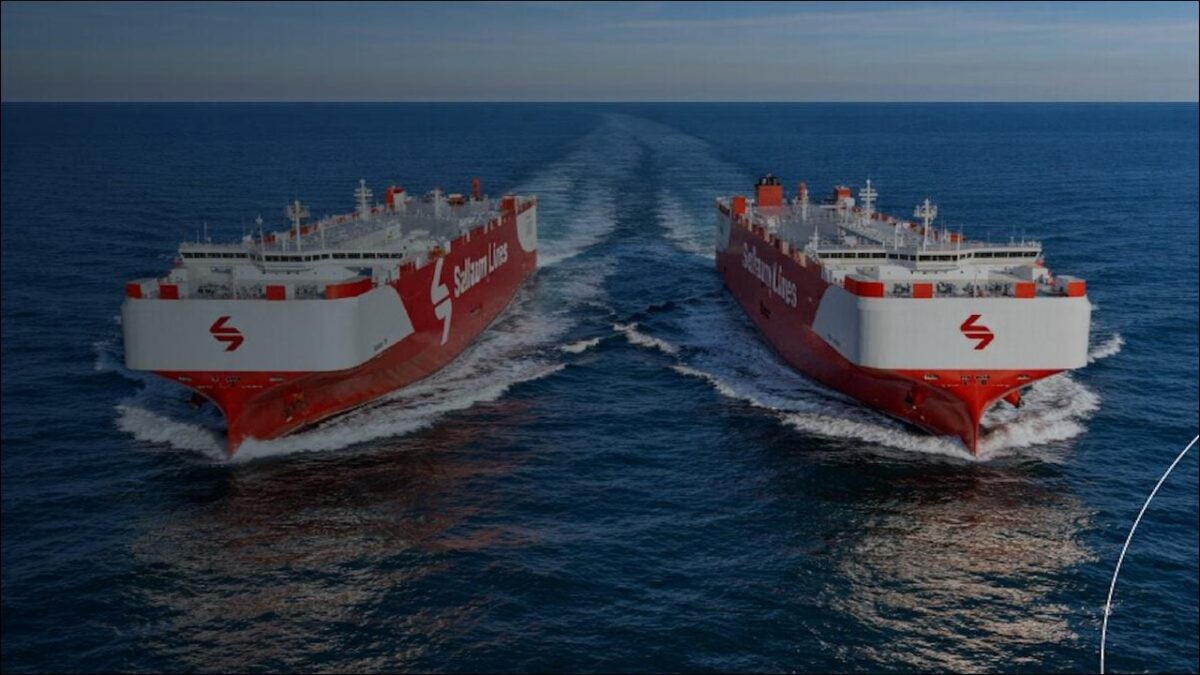
In a significant move poised to reshape its operational landscape and reinforce its commitment to environmental stewardship, Sallaum Lines, a prominent player in global shipping, has announced a substantial investment in advanced maritime technology. The company recently confirmed an order for two cutting-edge dual-fuel LNG car carriers, with an option for two additional vessels, signaling a decisive step towards a more sustainable and efficient future. This strategic decision underscores Sallaum Lines’ proactive approach to fleet modernization and its dedication to embracing cleaner energy solutions within the increasingly decarbonization-focused maritime industry. These newbuilds are set to become the largest ever commissioned by the company, embodying a forward-thinking vision for the transport of pure car and truck carriers (PCTCs) across international waters.
Sallaum Lines’ Strategic Investment in Next-Generation Car Carriers
This groundbreaking order from Sallaum Lines involves two 8,600-CEU (car equivalent units) pure car and truck carriers, secured with Xiamen Shipbuilding Industry Co. The deal also includes a critical option for two more vessels, highlighting a potential for even greater expansion and green fleet transformation. This significant commitment reflects Sallaum Lines’ strategic imperative to not only meet the escalating demands of the global automotive logistics market but also to do so with a reduced environmental footprint. The selection of a dual-fuel system for these state-of-the-art PCTCs demonstrates a clear pathway for flexible and responsible operation in an evolving regulatory environment.
The integration of these advanced LNG car carriers into Sallaum Lines’ existing fleet represents a substantial upgrade in terms of capacity and technological capability. These vessels are engineered to deliver superior operational performance while offering significant improvements in fuel efficiency and emissions reduction compared to conventional marine engines. The investment signifies a calculated move to future-proof their operations, ensuring they remain at the forefront of maritime innovation and compliance with future international environmental regulations. This strategic fleet renewal program is a testament to Sallaum Lines’ long-term vision for sustainable growth and operational excellence in the highly competitive global shipping sector.
Embracing Dual-Fuel Technology for Maritime Decarbonization
At the heart of Sallaum Lines’ latest order is the adoption of dual-fuel engines, capable of running on both Liquefied Natural Gas (LNG) and traditional marine fuels. This dual-fuel capability is a cornerstone of current maritime sustainability efforts, offering a proven solution for immediately reducing greenhouse gas emissions. LNG as a marine fuel significantly lowers sulfur oxides (SOx) and particulate matter emissions to virtually zero, nitrogen oxides (NOx) by up to 85%, and carbon dioxide (CO2) by approximately 20-25% compared to conventional heavy fuel oil. This makes LNG a vital transitional fuel in the shipping industry’s journey towards complete decarbonization.
The decision to equip these new LNG car carriers with such advanced propulsion systems aligns perfectly with the International Maritime Organization’s (IMO) ambitious targets for emission reductions. By leveraging LNG, Sallaum Lines is not only enhancing its environmental credentials but also positioning itself as a leader in lower-emission transportation. The flexibility offered by dual-fuel engines allows vessels to adapt to varying fuel availability and pricing, providing operational resilience while maintaining a strong commitment to cleaner operations. This technological embrace is crucial for navigating the complex landscape of global environmental policies and market expectations for greener shipping solutions.
Future-Proofing with Ammonia-Ready Design and Alternative Fuels
Beyond immediate emission reductions, Sallaum Lines has demonstrated remarkable foresight by commissioning vessels with an ammonia-ready design. This innovative feature is a game-changer, allowing for future conversion to ammonia propulsion as the technology matures and infrastructure develops. Ammonia is gaining traction as a potential zero-carbon marine fuel, offering a long-term solution for eliminating greenhouse gas emissions from shipping. By designing these newbuild vessels with future fuel flexibility in mind, Sallaum Lines is effectively future-proofing its fleet against upcoming regulatory changes and technological advancements.
The ammonia-ready specification reflects a deep understanding of the evolving landscape of alternative fuels and the imperative for green shipping. It ensures that the vessels can transition to even lower-carbon or zero-carbon operations without necessitating entirely new ship construction, thus protecting the long-term value of the investment. This forward-thinking approach provides a crucial pathway for seamless adaptation to future fuel sources, underpinning the company’s robust strategy for maritime decarbonization. It’s a clear signal that Sallaum Lines is not just reacting to current demands but actively shaping its future operations to be at the forefront of environmental responsibility and maritime innovation.
Expanding Capacity and Meeting Evolving Market Demands
The new 8,600-CEU PCTCs represent a significant increase in capacity for Sallaum Lines, making them the largest vessels ever commissioned by the company. This expansion directly addresses the growing global demand for automotive transport, allowing Sallaum Lines to enhance its service offerings and accommodate larger volumes of vehicles. In a globalized economy, efficient and reliable transport of cars and trucks is crucial for supply chains, and these new car carriers will play a pivotal role in strengthening Sallaum Lines’ position in this competitive market.
Director Hasan Sallaum articulated the company’s vision, stating, “With larger capacity, dual-fuel capability, and an ammonia-ready design, these ships give us the flexibility to serve growing market demand while continuing to invest in lower-emission transportation.” This statement perfectly encapsulates the dual objectives of the investment: operational expansion coupled with unwavering environmental commitment. The ability to meet increased market needs with more sustainable vessels provides a distinct competitive advantage, appealing to partners and clients who increasingly prioritize environmentally responsible logistics solutions. This strategic expansion is key to Sallaum Lines’ continued growth and market leadership.
The Broader Impact on Green Shipping and Industry Transformation
Sallaum Lines’ order of dual-fuel LNG car carriers is more than just a company-specific initiative; it contributes significantly to the broader movement towards green shipping within the maritime industry. Their commitment sends a strong signal to other operators and stakeholders that substantial investments in sustainable technologies are not only viable but essential for future success. This trend is visible across the sector, with companies like ABS introducing “Nuclear-Ready Notation” and others expanding the use of advanced hull coatings for fuel efficiency, all aimed at reducing the environmental impact of shipping.
The collective efforts of companies like Sallaum Lines are accelerating the pace of maritime decarbonization. As more newbuilds incorporate dual-fuel capabilities and future-proof designs, the infrastructure for alternative fuels will naturally develop further, creating a virtuous cycle of innovation and adoption. This ripple effect encourages shipyards, technology providers, and energy suppliers to invest more in sustainable solutions, ultimately benefiting the entire global supply chain and the planet. This strategic order from Sallaum Lines is a powerful example of how individual company decisions can drive industry-wide transformation towards a more sustainable future.
Economic and Operational Advantages of Advanced Maritime Vessels
Beyond environmental benefits, the integration of these advanced LNG car carriers offers substantial economic and operational advantages for Sallaum Lines. The enhanced fuel efficiency provided by dual-fuel engines, coupled with the potential for cost savings from using LNG – which can often be more cost-effective than traditional marine fuels depending on market fluctuations – contributes to improved operational profitability. Furthermore, investing in modern, high-capacity vessels reduces the average age of the fleet, leading to lower maintenance costs and greater reliability over the long term.
The forward-thinking ammonia-ready design also serves as an economic hedge. It mitigates the risk of stranded assets by ensuring the vessels can adapt to future fuel requirements without requiring prohibitively expensive retrofits or early retirement. This foresight protects Sallaum Lines’ capital investment and provides a pathway to continued regulatory compliance, avoiding potential penalties or operational restrictions associated with non-compliant vessels. Such strategic planning solidifies the company’s competitive edge in the global shipping arena, demonstrating a commitment to both profit and planet.
Navigating the Future of Maritime Fuel Transition
The maritime industry is currently undergoing an unprecedented period of transition regarding fuel sources and emission standards. The shift from heavy fuel oil to cleaner alternatives like LNG, and the exploration of future fuels such as ammonia, hydrogen, and methanol, represents a complex but necessary journey. Sallaum Lines’ decision to order dual-fuel LNG car carriers with an ammonia-ready design positions them strategically within this dynamic landscape. It acknowledges the immediate benefits of LNG while keeping options open for the next generation of zero-emission fuels.
This approach highlights the challenges and opportunities inherent in this transition. While LNG is a significant step towards lower-emission shipping, it is recognized as a bridging fuel. The ultimate goal remains zero-emission vessels. By incorporating “ammonia-ready” features, Sallaum Lines is actively participating in the long-term vision for maritime decarbonization, signaling confidence in future technological advancements and infrastructure development. Their investment serves as a benchmark for how shipping companies can pragmatically navigate the path to a truly sustainable future.
Sallaum Lines’ substantial order for new dual-fuel LNG car carriers represents a landmark decision, affirming the company’s resolute commitment to both operational excellence and environmental stewardship. These technologically advanced PCTCs, with their enhanced capacity and innovative ammonia-ready design, are more than just additions to a fleet; they are a clear statement of intent for sustainable maritime transport. By investing in these forward-looking vessels, Sallaum Lines is not only expanding its ability to meet global market demands but also actively contributing to the vital journey of maritime decarbonization. This strategic move sets a robust precedent for the future of green shipping, positioning Sallaum Lines as a key player in shaping a cleaner, more efficient, and sustainable maritime industry for years to come.