CSL’s First Battery-Hybrid Bulk Carrier Delivered | Mariner News
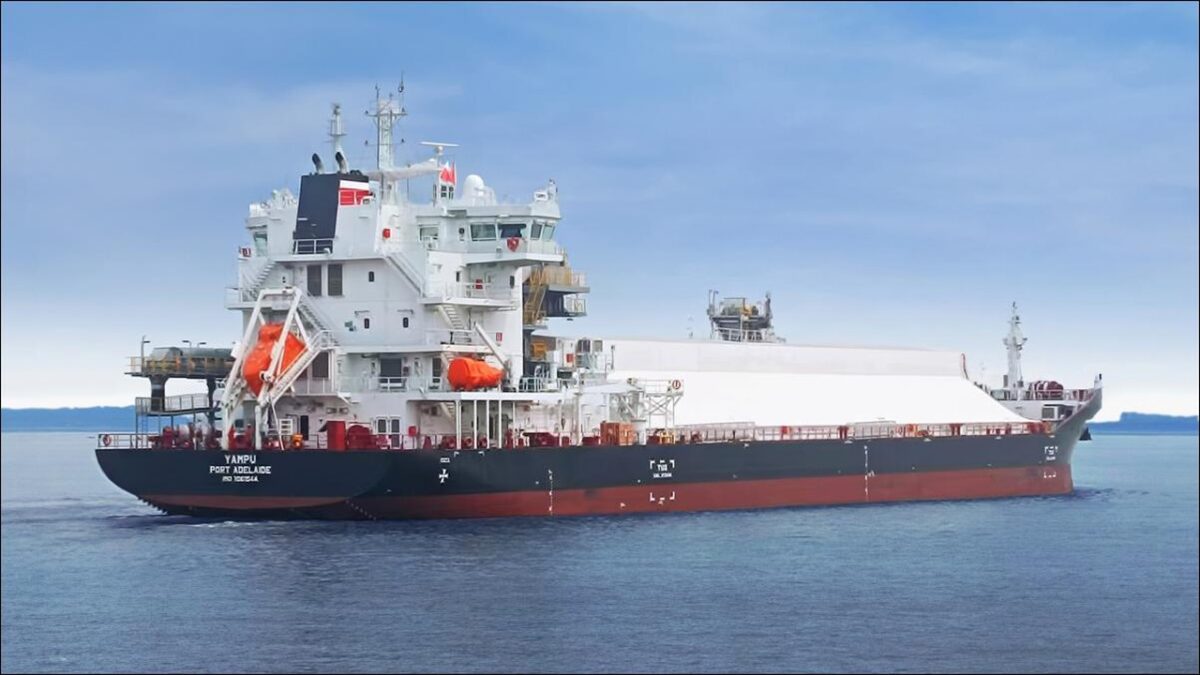
In a landmark achievement for the global maritime sector, CSL Group has officially taken delivery of the MV Yampu, a pioneering battery-hybrid self-unloading bulk carrier that represents a significant leap forward in sustainable shipping. This groundbreaking vessel, celebrated as the world’s first of its kind, underscores CSL’s unwavering commitment to innovation and the urgent decarbonization of the maritime industry. The MV Yampu’s introduction marks a pivotal moment, signaling a new era for bulk cargo transport driven by advanced, eco-friendly technologies. This strategic move by CSL Group not only enhances operational efficiency but also dramatically reduces the environmental footprint associated with conventional bulk carriers.
The Dawn of Eco-Friendly Bulk Shipping
The delivery of the MV Yampu, which occurred on June 5, is more than just a logistical milestone; it’s a testament to engineering ingenuity and a shared vision for a greener future. With an impressive 11,000 DWT (deadweight tonnes) capacity, the vessel is set to commence operations for construction material firm Adbri in South Australia. Its primary mission will be the crucial transport of limestone, a vital component for Adbri’s extensive operations. This collaboration between CSL and Adbri highlights how forward-thinking partnerships can accelerate the adoption of green shipping solutions, providing tangible environmental and operational benefits. The MV Yampu embodies the future of responsible resource logistics, ensuring that essential materials are moved with minimal ecological impact. This focus on sustainability positions both companies as leaders in their respective fields, driving positive change across supply chains.
Pioneering Hybrid Propulsion Technology
At the heart of the MV Yampu’s revolutionary design lies its sophisticated battery-hybrid propulsion system. This cutting-edge technology is engineered to deliver substantial environmental advantages, specifically targeting a remarkable 25% reduction in bunker fuel consumption and a significant 40% cut in overall emissions compared to traditional vessels. These figures are not just aspirational; they represent a quantifiable impact on both operational costs and environmental protection. The vessel leverages a combination of conventional engines and advanced battery power, allowing for optimized energy use and reduced reliance on fossil fuels. Furthermore, CSL Group has articulated an ambitious goal for the MV Yampu: to operate entirely on electric power by 2031. Achieving this objective would translate into an astonishing emission reduction of over 90%, setting an unprecedented benchmark for ultra-low-emission maritime transport. This phased approach to electrification showcases a pragmatic yet ambitious pathway towards a fully sustainable bulk shipping model, influencing future vessel designs and operational strategies globally.
CSL Group’s Vision for Decarbonization
CSL Group’s commitment to decarbonization extends beyond a single vessel; it’s an integral part of their corporate ethos and long-term strategy. The company emphasized that the MV Yampu is the direct outcome of a deeply collaborative effort between the CSL and Adbri teams, reflecting a mutual dedication to innovation, operational excellence, and the profound transformation of the maritime industry. This partnership underscores the belief that collective action is essential for tackling the complex challenges of climate change within the shipping sector. Earlier this month, CSL further demonstrated its proactive stance by taking delivery of another self-unloading bulk carrier. This vessel, while not initially hybrid, is specifically designed to allow for future conversion to methanol propulsion, signaling CSL’s flexible and multi-faceted approach to adopting alternative fuels. This dual strategy—pioneering battery-hybrid solutions while preparing for future methanol integration—positions CSL at the forefront of the global movement towards cleaner, more sustainable maritime operations.
Impact on Maritime Emissions and Efficiency
For the bulk shipping sector, the implications of the MV Yampu are far-reaching. The vessel’s ability to significantly reduce bunker fuel consumption translates directly into lower operating costs, offering an economic incentive for other operators to explore similar technologies. Environmentally, the projected 40% emission reduction (and over 90% with full electric operation) makes a substantial contribution to mitigating the maritime industry’s carbon footprint. This is crucial as global regulations tighten and stakeholder demands for green shipping intensify. By demonstrating the commercial viability and environmental efficacy of a battery-hybrid self-unloading bulk carrier, CSL provides a tangible blueprint for other shipping companies grappling with the transition to greener fleets. The MV Yampu serves as a powerful proof of concept, illustrating that advanced technologies can deliver both environmental stewardship and operational robustness, challenging traditional notions of maritime efficiency.
The Future of Sustainable Seaborne Transport
Looking ahead, the successful deployment of the MV Yampu is poised to inspire further innovation across the maritime industry. Its operational performance will be closely watched by industry experts, regulators, and environmental advocates alike. The experience gained from operating this advanced hybrid bulk carrier will be invaluable in refining future designs, optimizing battery management systems, and developing the necessary shoreside infrastructure to support widespread electric vessel adoption. This project contributes significantly to the broader conversation around marine innovation and the pathways to achieving ambitious climate targets set by international bodies. The move towards full electric operation by 2031 is a bold statement, reflecting a future where zero-emission voyages are not just an aspiration but a tangible reality, shaping how goods are transported across oceans for generations to come. This commitment reinforces CSL’s role as a trailblazer in sustainable maritime logistics, influencing policy and technological development far beyond its immediate fleet.
Driving Innovation Beyond Hybrid Carriers
CSL Group’s ongoing efforts extend beyond the battery-hybrid realm, encompassing a holistic strategy for decarbonization. The foresight to design vessels ready for methanol propulsion showcases a forward-thinking approach to fuel flexibility and future-proofing their fleet against evolving energy landscapes. This comprehensive strategy, which includes embracing multiple alternative fuel pathways, positions CSL as a leader in green shipping technology. Such proactive measures are critical for navigating the complexities of the energy transition in maritime transport, requiring substantial investment in research, development, and infrastructure. By investing in diverse sustainable solutions, CSL is not only reducing its own environmental impact but also contributing to the collective knowledge and capabilities of the entire maritime industry. Their leadership sets an example for others to follow, demonstrating that a multi-pronged approach is essential for achieving a truly sustainable future in global shipping.
In conclusion, the delivery of the MV Yampu stands as a monumental achievement for CSL Group and a beacon of progress for the entire maritime industry. As the world’s first battery-hybrid self-unloading bulk carrier, it embodies the spirit of innovation and the urgent necessity of decarbonization. With its significant reductions in fuel consumption and emissions, and the ambitious goal of fully electric operation, the MV Yampu is not merely a vessel; it is a powerful symbol of a cleaner, more sustainable future for bulk shipping. This pioneering step by CSL Group demonstrates that environmental responsibility and operational excellence can, and must, go hand in hand, inspiring continued advancements across the globe.