Everllence Ammonia Marine Engine Type Approved for Green Shipping | Mariner News
Everllence has reached a monumental milestone in sustainable maritime transport, successfully completing the type approval test (TAT) for its innovative ammonia marine engine. This pivotal development signifies a crucial leap forward in the shipping industry’s journey towards decarbonization, positioning ammonia as a viable and promising future fuel. The successful TAT underscores Everllence’s commitment to pioneering green technologies and offers tangible progress in meeting stringent environmental regulations. This article delves into the significance of this achievement, the technology behind Everllence’s groundbreaking engine, and the broader implications for global shipping as it navigates the urgent transition to net-zero emissions.
A Milestone for Sustainable Maritime Propulsion
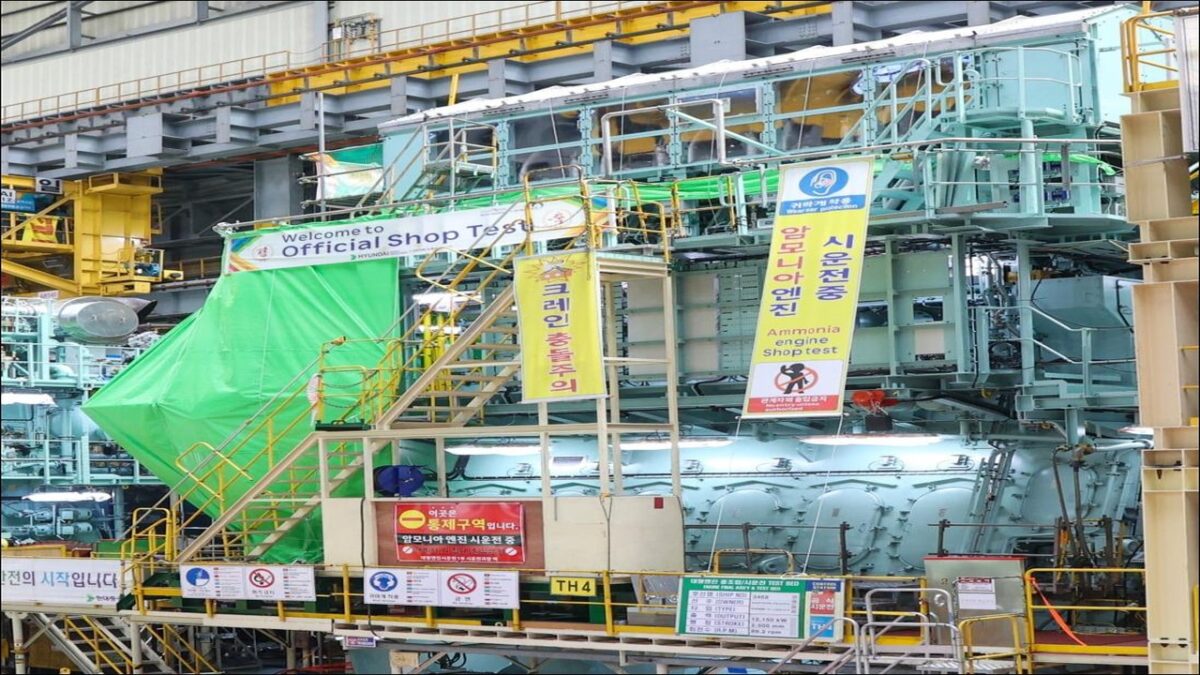
Everllence’s recent announcement marks a significant turning point for the future of sustainable shipping. The leading marine engine manufacturer confirmed the successful completion of the rigorous type approval test for its groundbreaking ammonia-fuelled engine. This comprehensive testing phase, conducted from June 10-12 at the company’s state-of-the-art Research Centre Copenhagen (RCC), was meticulously overseen by no fewer than eight esteemed classification societies. The involvement and supervision of such a diverse group of regulatory bodies underscore the thoroughness and industry-wide recognition of this critical achievement.
The TAT represents the culmination of extensive research, development, and stringent safety protocols, bringing the ammonia marine engine significantly closer to full commercial deployment. This critical approval stage is not merely a formality; it is the final major step required before the engine can undergo actual sea and gas trials onboard a commercial vessel. This systematic progression from initial design to rigorous testing is absolutely essential in the highly regulated maritime sector, ensuring safety and operational integrity.
Prior to the TAT, the Everllence engine had already successfully passed its factory acceptance test in April, demonstrating its robust operational capabilities in a controlled environment. These consecutive successes build substantial confidence in the engine’s reliability and performance, effectively paving the way for its eventual integration into the global fleet. Bjarne Foldager, head of two-stroke business at Everllence, eloquently emphasized the transformative nature of this phase, stating, “The TAT is yet another important step as we definitively move from concept development to seagoing engine operation. It confirms the Everllence B&W ME-LGIA as ready for on-board installation and is the last test before actual sea and gas trials.” This statement encapsulates the profound shift from theoretical viability to practical readiness, signaling a new era for marine propulsion technology.
Unlocking the Potential of Ammonia as a Marine Fuel
Ammonia has rapidly emerged as one of the most compelling candidates among alternative fuels for rapidly decarbonizing the international shipping industry. Its primary advantage lies in its immense potential for significant reductions in greenhouse gas (GHG) emissions. When produced using renewable energy sources – often referred to as green ammonia – it offers a near-zero carbon fuel cycle, a critical factor in achieving the International Maritime Organization’s (IMO) ambitious targets for emission reductions. The global maritime sector is currently under immense pressure to adopt cleaner fuel solutions, driven by both evolving international regulations and growing public and investor demand for environmentally responsible operations.
Everllence’s successful type approval of its ammonia marine engine directly addresses this urgent imperative, providing a concrete and viable pathway for shipowners to meet future environmental mandates. This technological breakthrough offers a tangible solution for transitioning away from conventional fossil fuels. However, the widespread adoption of ammonia as a marine fuel is not without its unique challenges. Issues surrounding safe fuel handling, secure storage, robust safety protocols, and the development of comprehensive regulatory frameworks have historically presented significant hurdles.
Ammonia is recognized as a toxic and corrosive substance, thereby necessitating specialized infrastructure and stringent safety measures onboard vessels and at bunkering ports. The successful TAT by Everllence signifies a major, crucial step in effectively overcoming these technical and operational complexities. It powerfully demonstrates that with advanced engine design, coupled with rigorous safety engineering, these challenges can be effectively managed. This accomplishment confidently paves the way for the safe and efficient use of ammonia in commercial shipping. This breakthrough provides a much-needed boost to the confidence of the entire maritime ecosystem, from shipbuilders and operators to port authorities and fuel suppliers, actively encouraging further investment in ammonia-related infrastructure and comprehensive supply chains.
Everllence’s Leadership in Green Engine Technology
Everllence has long been recognized as a frontrunner in marine engine innovation, consistently pushing the boundaries of what is possible. The development of its cutting-edge ammonia marine engine further reinforces its undisputed leadership in the global energy transition. The Everllence B&W ME-LGIA engine represents the pinnacle of advanced two-stroke engine technology, having been specifically engineered to operate with exceptional efficiency and safety on ammonia, alongside conventional fuels. This invaluable dual-fuel capability offers shipowners unparalleled flexibility and significantly reduces risks during the crucial transition phase, allowing for continued operations on conventional fuels when ammonia bunkering infrastructure is still in its nascent stages of development.
The company’s state-of-the-art Research Centre Copenhagen has played an absolutely pivotal role in this journey, serving as a dynamic hub for cutting-edge development and rigorous testing. This center consistently attracts top engineering talent and fosters an environment of continuous innovation, driving forward the next generation of maritime solutions. The successful type approval is an unequivocal testament to Everllence’s substantial and strategic investment in research and development, particularly in sustainable technologies aimed at profound environmental impact. By proactively addressing the evolving needs of a rapidly decarbonizing industry, Everllence is not only securing its own future but also providing essential, scalable solutions for the wider maritime sector.
This strategic foresight to develop engines capable of running on transformative future fuels like ammonia positions Everllence firmly at the forefront of the maritime energy transition. Their comprehensive commitment extends far beyond mere engine manufacturing; it encompasses providing thorough support for shipyards, owners, and operators in seamlessly integrating these new propulsion systems. This ensures a smooth, efficient, and safe transition to more sustainable shipping practices across the globe. This holistic and forward-thinking approach is absolutely critical for the widespread adoption of new, cleaner fuels and for achieving true decarbonization.
The Path Forward: Sea Trials and Commercial Deployment
With the critical type approval test successfully completed, the next imperative phases for Everllence’s ammonia marine engine involve extensive sea and gas trials. These crucial trials will take place onboard an actual vessel, meticulously simulating real-world operational conditions to further validate the engine’s performance, safety, and unwavering reliability. This stage is absolutely crucial for gathering precise empirical data on fuel consumption rates, detailed emissions profiles, and overall operational stability within a dynamic and often challenging maritime environment. Successful sea trials will unequivocally clear the way for the engine’s full commercial deployment, marking the triumphant culmination of years of dedicated effort, groundbreaking innovation, and substantial investment.
The maritime industry is eagerly anticipating these trials, as their success will confirm the engine’s readiness for widespread application across a diverse range of vessel types. The commercial deployment of Everllence’s ammonia engine is expected to have truly far-reaching implications across the entire global shipping ecosystem. It will empower early adopters in the shipping industry to significantly reduce their carbon footprint, thereby demonstrating exemplary leadership in environmental stewardship. This strategic move is particularly relevant for sectors facing immense regulatory and societal pressure to decarbonize, such as container shipping, bulk carriers, and tankers, which collectively represent a substantial portion of global maritime transport.
The availability of proven ammonia propulsion systems will also inevitably spur the accelerated development of necessary infrastructure. This includes the establishment of green ammonia production facilities, the creation of robust bunkering networks, and the optimization of associated supply chains. This symbiotic relationship between advanced engine technology and vital infrastructure development is absolutely essential for scaling up the use of alternative fuels and for rapidly accelerating the maritime energy transition on a truly global scale. Everllence’s progress is a critical enabler in this complex, interconnected evolution.
Broader Impact on Global Shipping Decarbonization Efforts
Everllence’s latest achievement extends far beyond the immediate scope of the company itself; it provides a powerful and much-needed impetus to global shipping decarbonization efforts. This groundbreaking success unequivocally demonstrates the practical feasibility of using ammonia as a primary marine fuel, offering a tangible, deployable solution for shipowners who are striving relentlessly to meet stringent international climate goals. The successful type approval acts as a potent catalyst, encouraging further substantial investment in clean shipping technologies and fostering even greater collaborative efforts across the entire industry value chain.
Governments, regulatory bodies, and research institutions worldwide will undoubtedly draw significant inspiration from this success, potentially accelerating the development of supportive policies, securing crucial funding mechanisms, and initiating advanced research initiatives specifically aimed at rapidly expanding the use of low-carbon marine fuels. The move towards ammonia-powered vessels is not merely about achieving regulatory compliance; it is fundamentally about reshaping the entire maritime ecosystem. It necessitates widespread innovations in vessel design, comprehensive crew training for entirely new fuel handling procedures, and the establishment of robust, internationally recognized safety standards that align perfectly with ammonia’s unique properties.
Everllence’s pioneering work with its ammonia marine engine serves as a luminous beacon, powerfully illustrating that aggressive decarbonization targets are indeed fully achievable with concerted effort, unwavering commitment, and profound technological ingenuity. As the industry transitions into this new era, this engine will be absolutely instrumental in significantly reducing the maritime sector’s colossal environmental impact, thereby contributing profoundly to a greener, more sustainable future for global trade and transportation. This forward-thinking and innovative approach underscores the vital and transformative role of industry leaders in driving sustainable change and passionately inspiring the next generation of maritime innovation.
Everllence’s successful type approval of its ammonia marine engine represents a truly monumental achievement for the maritime industry and a significant, tangible stride towards a sustainable future. By unequivocally validating the operational readiness of ammonia as a primary marine fuel, Everllence has provided a clear, viable, and commercially appealing pathway for shipowners to dramatically accelerate their decarbonization efforts. This transformative milestone is set to catalyze further innovation, infrastructure development, and essential regulatory advancements, propelling the global shipping sector towards its ambitious net-zero targets. The journey to a truly green maritime industry is undoubtedly complex and challenging, but with pioneering solutions like the Everllence B&W ME-LGIA, a cleaner, more sustainable future for global trade is not only within reach but rapidly becoming a reality.