Fincantieri Delivers LNG-Fuelled Cruise Ship to TUI Cruises | Mariner News
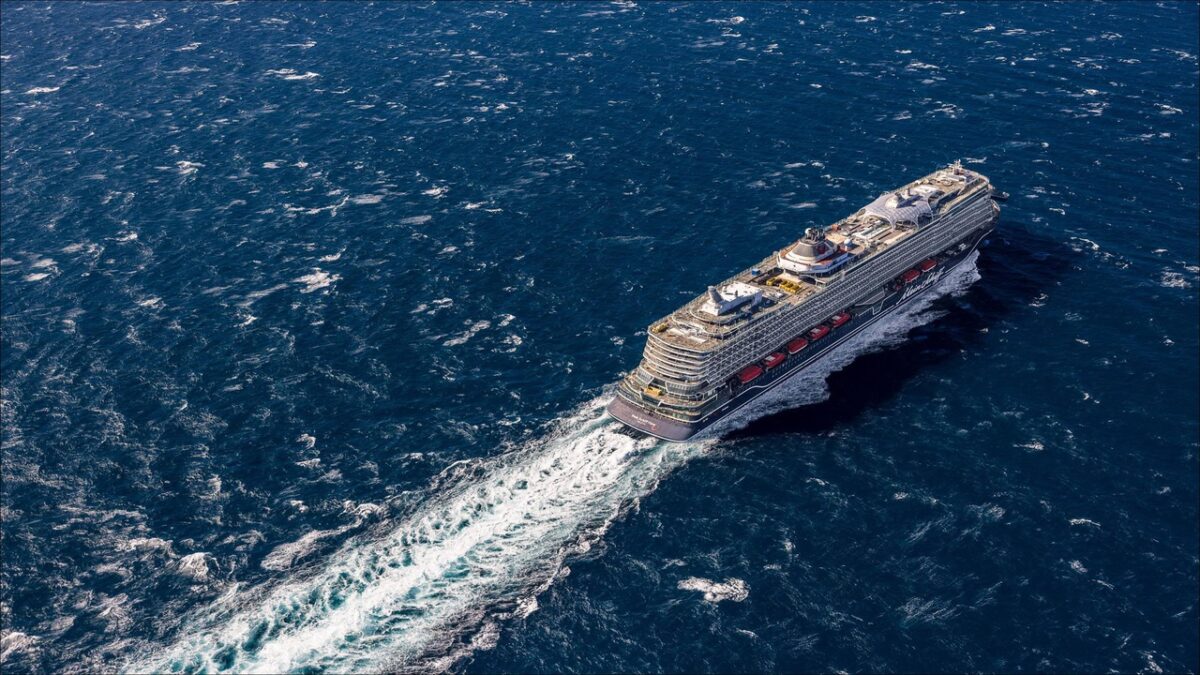
Fincantieri, the esteemed Italian shipbuilding giant, has marked another significant milestone in the global maritime industry with the successful delivery of the state-of-the-art LNG-fuelled cruise ship, Mein Schiff Flow, to its client, TUI Cruises. This pivotal event underscores a growing commitment to environmental stewardship within the cruise sector and signals a forward-thinking approach to sustainable maritime operations. The handover of this cutting-edge vessel at Fincantieri’s renowned Monfalcone shipyard represents a major stride in the journey towards cleaner, more eco-friendly cruise travel, setting new benchmarks for the design and construction of large passenger ships capable of reducing their ecological footprint.
This delivery is not merely a transaction; it is a powerful statement about the direction of modern shipbuilding and the urgent need for greener solutions in the shipping industry. As global environmental regulations tighten and public awareness of climate change intensifies, the adoption of liquefied natural gas (LNG) as a marine fuel has gained considerable traction. Mein Schiff Flow exemplifies this shift, embodying the latest advancements in propulsion technology and environmental protection measures that promise a healthier future for our oceans and the atmosphere.
For Fincantieri, a company synonymous with innovation and engineering excellence, the completion of Mein Schiff Flow reinforces its position as a leader in constructing advanced vessels that meet the evolving demands of the maritime sector. For TUI Cruises, it strengthens their fleet with a vessel that aligns perfectly with their corporate sustainability goals, offering passengers not just a luxurious travel experience but also one that is conscientious about its environmental impact. This partnership highlights how collaboration between shipbuilders and operators is crucial in driving the decarbonization of the cruise industry.
Mein Schiff Flow: Pioneering Green Technology at Sea
The Mein Schiff Flow is a marvel of modern maritime engineering, designed with a clear focus on energy efficiency and reduced emissions. This colossal 160,000 GT vessel, the second of the innovative InTUItion-class ships, boasts dual-fuel capabilities, allowing it to operate seamlessly on either LNG or conventional marine fuels. The ability to switch between fuel types provides operational flexibility while prioritizing the use of cleaner alternatives, thereby significantly lowering the vessel’s carbon footprint. Designed to comfortably accommodate approximately 4,000 passengers, the ship offers an exceptional cruising experience while demonstrating a profound commitment to ecological responsibility.
Beyond its primary dual-fuel propulsion system, Mein Schiff Flow is outfitted with an impressive array of advanced environmental technologies. It features shore-power connectivity, enabling the ship to plug into onshore electrical grids when docked in port. This eliminates the need for the ship’s engines to run, drastically reducing air pollution and noise in port communities. Furthermore, the vessel incorporates Euro 6-compliant catalytic converters, mirroring automotive emission standards to significantly cut down nitrogen oxide (NOx) emissions, a major contributor to smog and acid rain.
Another key innovation aboard Mein Schiff Flow is its waste heat recovery system, which utilizes a steam turbine to convert waste heat from the engines into usable energy. This intelligent system enhances overall energy efficiency and reduces fuel consumption, illustrating a holistic approach to sustainable operation. Complementing these features is an advanced waste-treatment system designed to process and minimize waste generated on board, ensuring that discharged materials meet stringent international environmental regulations and protect marine ecosystems.
The Power of LNG and Future Fuels in Maritime Decarbonization
Liquefied natural gas (LNG) has emerged as a frontrunner in the quest for cleaner marine fuels, primarily due to its significant environmental advantages compared to traditional heavy fuel oil. When burned, LNG produces virtually no sulfur oxides (SOx) or particulate matter, substantially reducing air pollution. It also cuts nitrogen oxide (NOx) emissions by up to 85% and carbon dioxide (CO2) emissions by approximately 20-25%. These reductions are vital for compliance with strict international maritime regulations, such as the IMO 2020 sulfur cap, and for achieving the industry’s long-term decarbonization targets.
Crucially, Mein Schiff Flow’s advanced propulsion system is not limited to conventional LNG. The vessel is also capable of utilizing lower-emission, renewable alternatives such as bio-LNG and e-LNG. Bio-LNG, derived from sustainable biomass or waste products, offers a near carbon-neutral fuel option, as the CO2 released during combustion is offset by the CO2 absorbed during the growth of the biomass. E-LNG, or electro-LNG, is produced using renewable electricity to convert hydrogen and captured CO2 into methane, offering a pathway to truly carbon-free shipping when coupled with green hydrogen production.
These innovative drop-in fuels are fully compatible with existing LNG dual-fuel engines and infrastructure, presenting a flexible and future-proof solution for the maritime industry. The ability of Mein Schiff Flow to adapt to these next-generation fuels positions it at the forefront of sustainable maritime transport, allowing TUI Cruises to incrementally reduce its carbon footprint as the availability and infrastructure for bio-LNG and e-LNG grow. This forward compatibility demonstrates a proactive stance in navigating the energy transition and accelerating the move towards net-zero emissions.
Fincantieri and TUI Cruises: A Partnership Towards Eco-Friendly Fleets
The successful delivery of Mein Schiff Flow is a testament to the robust and synergistic partnership between Fincantieri and TUI Cruises. Fincantieri, with its deep-rooted expertise in constructing complex and technologically advanced vessels, has proven its capability to translate ambitious sustainability visions into tangible realities. The Monfalcone shipyard, where Mein Schiff Flow was built, is a hub of innovation, bringing together skilled engineers, designers, and artisans dedicated to pushing the boundaries of shipbuilding.
For TUI Cruises, a prominent player in the global cruise market, this delivery is a cornerstone of their long-term sustainability strategy. The company has publicly committed to reducing its environmental impact and offering responsible travel options. Investing in cutting-edge LNG-fuelled vessels like Mein Schiff Flow is a concrete manifestation of this commitment, demonstrating to passengers, stakeholders, and regulators alike that environmental performance is a top priority. This strategic fleet modernization allows TUI Cruises to not only meet but often exceed evolving environmental standards.
This collaboration extends beyond just a single vessel. With two more dual-fuel ships of the InTUItion-class already on order, slated for deliveries in 2031 and 2032, the partnership between Fincantieri and TUI Cruises is clearly a long-term commitment to building an increasingly eco-friendly fleet. This sustained investment in sustainable cruise ships signifies a shared vision for a maritime industry that prioritizes environmental protection without compromising on the quality and luxury of the cruise experience. Such alliances are vital for accelerating the transition to a greener shipping future.
Shaping the Future of the Cruise Industry: Innovation and Environmental Stewardship
The introduction of ships like Mein Schiff Flow is indicative of a broader transformation sweeping across the global cruise industry. Facing intense pressure from environmental advocacy groups, regulatory bodies, and increasingly eco-conscious consumers, cruise lines are making significant investments in sustainable technologies and cleaner fuels. This shift is not just about compliance; it’s about future-proofing operations and enhancing brand reputation in a rapidly changing world.
The adoption of LNG as a marine fuel is gaining momentum, with numerous newbuild orders across various shipping sectors, including container ships, tankers, and bulk carriers, mirroring the cruise industry’s trend. This collective movement towards lower-carbon fuels, coupled with advancements in energy efficiency measures, is crucial for the maritime industry to achieve the ambitious decarbonization targets set by the International Maritime Organization (IMO) for 2030 and 2050. Innovation in shipbuilding is truly at the heart of this global environmental effort.
Looking ahead, the commitment shown by Fincantieri and TUI Cruises serves as an inspiring example for the entire maritime community. Their focus on advanced technology, alternative fuels, and comprehensive environmental protection systems aboard Mein Schiff Flow sets a new benchmark for sustainable cruise travel. As more such vessels join global fleets, the collective impact will significantly contribute to cleaner oceans and a more sustainable future for the entire planet. The continuous pursuit of innovation and environmental stewardship is not just a necessity but a strategic imperative for long-term success in the dynamic world of maritime commerce.