IMO Focuses on Ammonia as Marine Fuel in Major Seminar | Mariner News
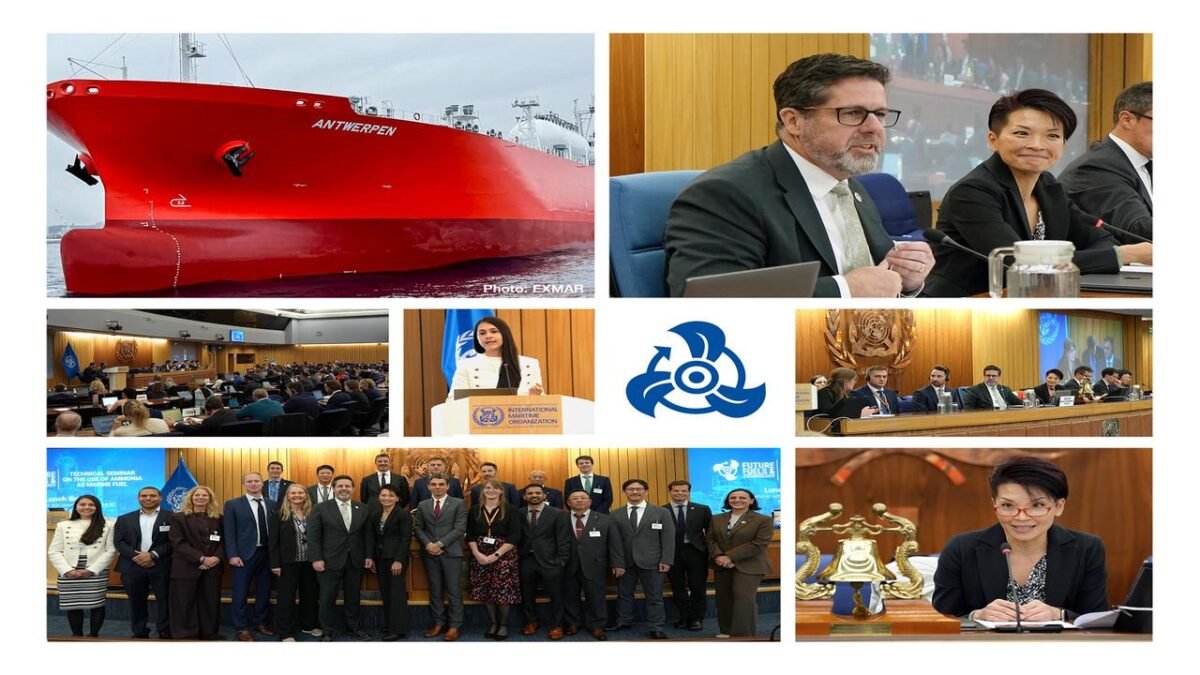
The International Maritime Organization (IMO) recently convened a technical seminar dedicated to ammonia as a marine fuel, drawing approximately 800 participants from across member states, industry, academia, NGOs, and IGOs. Held at the IMO headquarters in London on September 17, the event underscores a deepening global focus on resolving the practicalities of ammonia’s integration into the shipping sector.
Discussions at the seminar were comprehensive, covering developments throughout the entire ammonia fuel supply chain, including production, bunkering operations, and necessary port infrastructure. Participants also provided updates on the latest advancements in ammonia-fuelled engines, emissions control technologies, and critical safety considerations.
David Osborn, Director of the Marine Environment Division at IMO, highlighted the strategic importance of such gatherings. He stated that the organization’s decisions on alternative fuels rely on “a clear and shared understanding of what the technology can do today, where the difficulties lie, and what remains unresolved.” This emphasis indicates the IMO’s commitment to evidence-based regulatory development for future fuels.
The seminar was the fifth in a series organized under the IMO’s Future Fuels and Technology Project, a collaborative initiative with the Government of the Republic of Korea. The project aims to accelerate the uptake of future fuels and associated technologies in shipping, having previously addressed onboard carbon capture, shipping’s energy transition, biofuels, and methane-based fuels.
The extensive participation and the wide-ranging agenda, encompassing the entire fuel value chain, signal a critical maturation in the industry’s approach to ammonia. This suggests a concerted global effort to bridge the gap between ammonia’s potential as a decarbonization solution and its practical, safe, and regulatory-compliant deployment. The structured engagement via the Future Fuels and Technology Project, coupled with calls for a shared understanding, points towards an imminent need for robust, globally harmonised regulatory frameworks, which will be paramount for de-risking investment and facilitating widespread adoption of ammonia as a marine fuel.