Cargo Ship Fired Upon Near Yemen: Maritime Security Crisis | Mariner News
The critical maritime thoroughfare south of Yemen once again finds itself under the spotlight following a concerning incident where a cargo ship was reportedly fired upon in the Gulf of Aden. This event, confirmed by the UK Maritime Trade Operations (UKMTO), underscores the persistent and escalating security challenges confronting international shipping in one of the world’s most vital sea lanes. The attack not only puts the lives of seafarers at risk but also introduces significant disruptions to global trade, forcing a re-evaluation of established shipping practices and supply chain resilience.
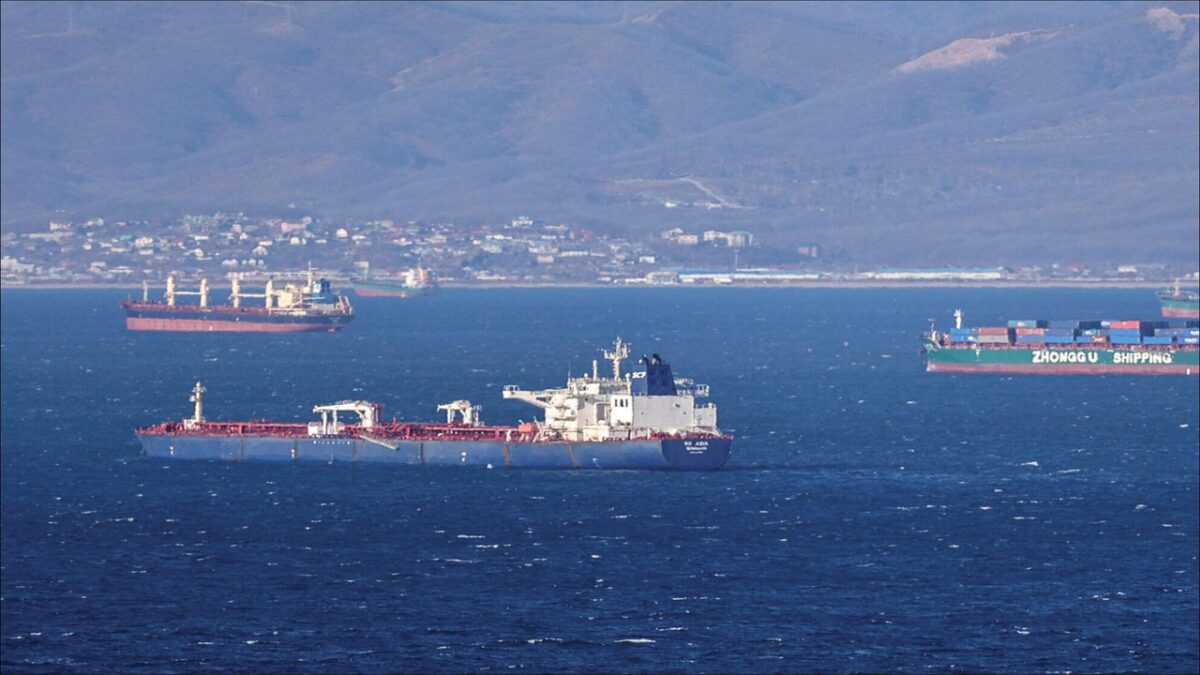
Reports indicate the incident transpired approximately 88 nautical miles south-west of Balhaf, Yemen, early on a Wednesday morning. The UKMTO, a British government agency dedicated to monitoring maritime security in the Middle East, detailed that a cargo vessel encountered a small craft with six armed individuals onboard. This hostile approach quickly escalated into an exchange of fire between the assailant craft and the cargo vessel’s armed security team. The prompt and professional response by the ship’s security personnel proved effective, compelling the small craft to retreat, thus averting a potentially graver outcome. Such incidents highlight the imperative role of on-board security measures in navigating these treacherous waters.
Escalating Maritime Threats in the Gulf of Aden and Red Sea
The recent assault on a cargo ship in the Gulf of Aden is not an isolated event but rather part of a troubling pattern of increasing maritime insecurity in the broader Red Sea region. This vital waterway, connecting the Suez Canal to the Indian Ocean, has become a hotbed of geopolitical tensions, making it hazardous for commercial shipping. The UKMTO’s detailed report provides a stark reminder of the volatile environment that merchant vessels and their crews must contend with on a regular basis, often far from the safety of international naval patrols.
Navigating these perilous waters demands heightened vigilance and robust defensive capabilities. The fact that the cargo ship’s armed security team successfully repelled the attack speaks volumes about the necessity of such protective measures in contemporary maritime operations. These incidents underscore the limitations of conventional security protocols and highlight the evolving tactics employed by hostile actors seeking to disrupt global trade and exert influence through force.
Beyond direct attacks, the psychological toll on seafarers navigating these high-risk zones is immense. Crews are constantly on edge, knowing that at any moment, their vessel could become a target. This persistent threat environment necessitates comprehensive support for seafarers, including specialized training, psychological aid, and adequate rest periods, to ensure their well-being and maintain the operational integrity of global shipping lines.
Disruptions to Global Shipping Routes and Supply Chains
The consequences of these escalating maritime threats extend far beyond the immediate vicinity of the incidents. Major shipping companies are increasingly making the difficult decision to reroute vessels away from the Red Sea and Suez Canal, opting instead for the significantly longer and costlier journey around the Cape of Good Hope, circumventing the entire African continent. This strategic shift, while mitigating direct attack risks, introduces a cascade of challenges for global logistics and supply chain management.
Firstly, extended transit times lead to delays in cargo delivery, impacting manufacturers, retailers, and ultimately, consumers worldwide. Goods that would typically reach their destination within weeks now face additional days or even weeks of travel, disrupting just-in-time inventory systems and creating bottlenecks at ports. This not only delays production schedules but also diminishes the reliability and predictability that are cornerstones of modern supply chain efficiency.
Secondly, the longer voyages necessitate increased fuel consumption, driving up operational costs significantly. These additional expenses are inevitably passed down the supply chain, contributing to inflationary pressures on a global scale. Furthermore, the need for more frequent refueling stops and changes in port calls adds layers of complexity to route planning and scheduling, straining the logistical capabilities of shipping firms.
The Economic Ripple Effect: Bunker Demand and Insurance Premiums
The rerouting of thousands of vessels around Africa has delivered a substantial boost to global bunker demand, a phenomenon observed consistently in recent years due as this dynamic continues. Ships traveling longer distances consume significantly more fuel, creating increased demand for marine fuels in alternative bunkering hubs along the expanded routes. This surge in demand, coupled with fluctuating global oil prices, contributes to higher operational expenditures for shipping companies.
Parallel to rising fuel costs, maritime insurance premiums for vessels operating in or transiting through high-risk areas like the Gulf of Aden and the Red Sea have skyrocketed. Insurers reassess risk profiles based on the frequency and severity of incidents, leading to steep surcharges for coverage. These elevated insurance costs add another substantial financial burden on shipping lines, further eroding profit margins and increasing the overall cost of moving goods across oceans. The cumulative effect of increased bunker costs and higher insurance rates directly impacts freight rates, meaning that the cost of consumer goods could see an upward adjustment.
Moreover, the economic impact is felt throughout the entire maritime ecosystem, from port services and logistics providers to cargo owners and trade financiers. The uncertainty surrounding safe passage through critical choke points forces businesses to implement contingency plans, often involving higher inventory levels or diversified shipping strategies, which themselves incur additional costs. This complex interplay of direct and indirect expenses underscores the far-reaching economic ramifications of maritime insecurity in the region.
Geopolitical Landscape and Future Outlook for Red Sea Security
The security crisis in the Red Sea is deeply intertwined with the broader geopolitical landscape of the Middle East. Regional conflicts, power struggles, and the proliferation of advanced weaponry contribute to an unstable environment where non-state actors can pose significant threats to international commerce. The reported threats by Yemen’s Houthi movement to target Israel-linked shipping in the Red Sea highlight the politicization of maritime routes and the direct weaponization of sea lanes as leverage in regional conflicts.
Addressing this multifaceted security challenge requires a coordinated international response involving diplomatic efforts, intelligence sharing, and potentially, increased naval presence to deter attacks and protect commercial vessels. However, the complexities of regional politics often hinder unified action, leaving shipping companies and seafarers vulnerable. The long-term outlook for restoring unfettered safe passage through this critical maritime corridor remains uncertain, hinging on the resolution of underlying political and security issues.
International bodies and maritime organizations continue to advocate for de-escalation and the protection of global trade. The effectiveness of these efforts, however, is frequently challenged by the persistent actions of hostile entities and the geopolitical realities on the ground. A sustainable solution will likely require a combination of robust maritime security operations and comprehensive diplomatic engagement to address the root causes of instability in the region.
Protecting Seafarers and Ensuring Maritime Trade Flow
The human element remains paramount in the discussion of maritime security. Seafarers, often unseen and unsung heroes of global trade, bear the brunt of these dangerous conditions. Their courage and resilience, exemplified by the armed security teams effectively repelling attacks, are crucial. Protecting these individuals necessitates continued investment in comprehensive training, providing access to robust security measures, and ensuring their rights and safety are prioritized by all stakeholders within the maritime industry.
International cooperation plays a pivotal role in creating a safer environment for maritime trade. Agencies like UKMTO provide critical intelligence and warnings, enabling vessels to make informed decisions and enhancing situational awareness. Collaborative efforts among navies, governments, and shipping associations are essential for developing and implementing effective strategies to counter piracy and other maritime threats. This collective responsibility extends to sharing best practices, coordinating patrol efforts, and providing rapid response capabilities.
Ultimately, the freedom of navigation through international waters is a fundamental principle underpinning global trade and prosperity. The ongoing threats south of Yemen and in the Red Sea pose a direct challenge to this principle, impacting not only the immediate transit of goods but also the broader stability of the global economy. Sustained vigilance, proactive security measures, and concerted international action are imperative to safeguard maritime trade routes and ensure the continued flow of essential goods worldwide.