UK’s First Multi-Berth Shore Power Goes Live at Portsmouth | Mariner News
The UK maritime industry marks a pivotal moment with the official commissioning of its first multi-berth shore power system at Portsmouth International Port. This innovative infrastructure allows compatible ferries and cruise ships to connect to the local electricity grid while docked, a significant step towards greener shipping.
The launch of the UK’s first multi-berth shore power system at Portsmouth is poised to dramatically reduce vessel emissions and improve local air quality. It positions Portsmouth as a leader in innovative port electrification solutions, signaling a profound commitment to a cleaner, more sustainable future for the shipping sector.
A New Era for Sustainable Maritime Operations
Portsmouth International Port proudly unveiled its cutting-edge multi-berth shore power system, initiating a new era for sustainable maritime operations. After rigorous final testing, the system is fully operational and available at three of the port’s five berths. This offers exceptional flexibility for diverse vessels.
This strategic deployment reinforces Portsmouth’s role as a pioneer in UK maritime environmental innovation. The port’s investment significantly reduces its carbon footprint and fosters a healthier environment for local communities. Servicing multiple berths simultaneously enhances the system’s efficiency and positive impact.
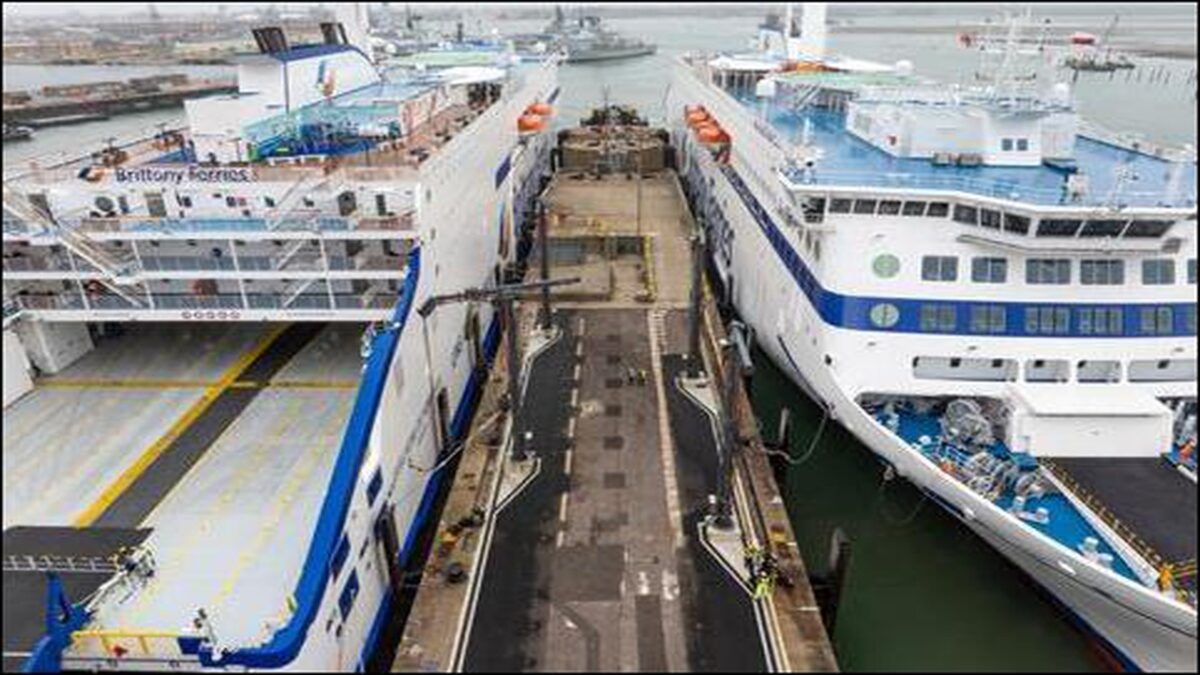
During commissioning, the system showcased robust capabilities by connecting high-profile vessels. Brittany Ferries’ hybrid-electric ships, the St Malo and Guillaume de Normandie, were among the first. These connections allow hybrid ferries to optimize battery usage, even navigating Portsmouth Harbour on battery power alone, minimizing localized emissions.
The cruise sector also embraced the new technology. AIDA Cruises’ AIDAsol became the inaugural cruise ship to utilize the facility, swiftly followed by Phoenix Reisen’s Amera. This demonstrates the system’s broad versatility and appeal, setting a new benchmark for future port electrification projects.
Understanding Shore Power Technology and Its Benefits
Shore power, known as ‘cold ironing’ or ‘onshore power supply (OPS)’, is a transformative technology. It allows ships to switch off auxiliary diesel engines while berthed, connecting directly to the port’s electrical grid. This eliminates fossil fuel burning during port calls.
The electricity supplied through the Portsmouth shore power system substantially reduces harmful emissions. These include nitrogen oxides (NOx), sulfur oxides (SOx), particulate matter (PM), and carbon dioxide (CO2). These are major contributors to air pollution and global climate change.
Environmental benefits extend to direct improvements in local air quality. Displacing diesel generator usage helps Portsmouth meet national and international environmental targets. Reduced airborne pollutants mean fewer respiratory issues for residents, clearer skies, and a healthier urban environment.
Operationally, ship operators benefit from reduced fuel consumption and lower maintenance for generators. Grid power offers a stable energy supply. Crucially, shore power’s climate impact depends on the electricity source; connecting to a grid powered by renewables maximizes positive outcomes, a factor Portsmouth actively champions.
Portsmouth International Port Leading the Green Maritime Revolution
Portsmouth International Port consistently demonstrates a progressive approach to maritime operations. This shore power system solidifies its unwavering commitment to sustainability. The port’s vision extends beyond mere compliance, actively serving as a catalyst for transformative change.
Investing in this cutting-edge infrastructure not only future-proofs operations but enhances its appeal. It becomes a preferred port for shipping lines prioritizing environmental responsibility and green credentials. This strategic investment aligns perfectly with the global trend towards sustainable maritime practices.
The port’s proactive communication of its green initiatives positions it as an attractive partner for innovative maritime businesses. Supporting advanced hybrid-electric vessels, like Brittany Ferries’ fleet, is pivotal. These ships optimize environmental performance by leveraging shore power for charging and propulsion.
This synergy between vessel innovation and port infrastructure creates a dynamic ecosystem for sustainable maritime travel. Portsmouth recognizes the substantial economic advantages of environmental leadership. Investing in clean energy like advanced shore power technology fosters resilient infrastructure and contributes to the local economy through green jobs.
The Broader Impact: UK’s Pathway to Cleaner Ports
The triumphant launch of Portsmouth’s multi-berth shore power system is more than a local success; it’s an inspiring beacon for the entire UK maritime sector. This pioneering project offers invaluable lessons and a tangible blueprint for other British ports.
It proves that significant investment in green port infrastructure is feasible. It delivers substantial benefits for the environment, communities, and long-term operational viability. As the UK pursues net-zero targets, widespread adoption of shore power is a critical national strategy component.
A collaborative effort from government bodies, port authorities, and shipping companies is crucial for expanding shore power. Government policies, targeted financial incentives, and robust regulatory frameworks are indispensable for overcoming initial capital costs. Standardization of connections is vital for interoperability.
Strategic integration of shore power systems with national grids increasingly powered by renewable energy sources will amplify climate benefits. This renders the entire shipping journey cleaner. This national effort demands collaborative innovation and shared commitment to marine sustainability, building upon pioneers like Portsmouth.
Economic and Community Advantages of Port Electrification
Beyond environmental gains, the implementation of advanced shore power systems at Portsmouth brings myriad economic and community advantages. For the local economy, infrastructure development stimulates job creation, from engineering to ongoing operational support.
This investment acts as a catalyst for local economic growth and innovation. It attracts further investment in related green technologies and services. By enhancing its environmental credentials, Portsmouth International Port substantially bolsters its competitive advantage.
For communities near the port, benefits are tangible and immediate. Significantly improved local air quality is paramount. Eliminating harmful diesel emissions from berthed vessels leads to healthier air and improved public health.
The reduction in pervasive noise pollution is another welcome change, transforming bustling port areas into quieter, more pleasant environments. This enhanced quality of life fosters better community relations. Integrating more renewable energy contributes to national energy independence.
Conclusion
The launch of the UK’s first multi-berth shore power system at Portsmouth International Port represents a monumental leap for maritime sustainability and green shipping. It sets an elevated standard for port operations in the UK and serves as an inspiring example for the global maritime community.
By efficiently enabling vessels to seamlessly plug into clean grid electricity, Portsmouth makes a tangible difference. It reduces emissions, enhances local air quality, and promotes a quieter, healthier environment. This underscores the port’s leadership in environmental stewardship and its unwavering commitment to a future where shipping and ecological responsibility are inextricably linked.
As the global maritime industry continues its journey towards comprehensive decarbonization, strategic investments in advanced port infrastructure like this will prove indispensable. The success at Portsmouth should galvanize further investment, fostering innovation and collaboration across the shipping ecosystem, and confidently paving the way for a truly sustainable blue economy.