Oil Prices Plunge Amid US-Iran Hostility Pause | Mariner News
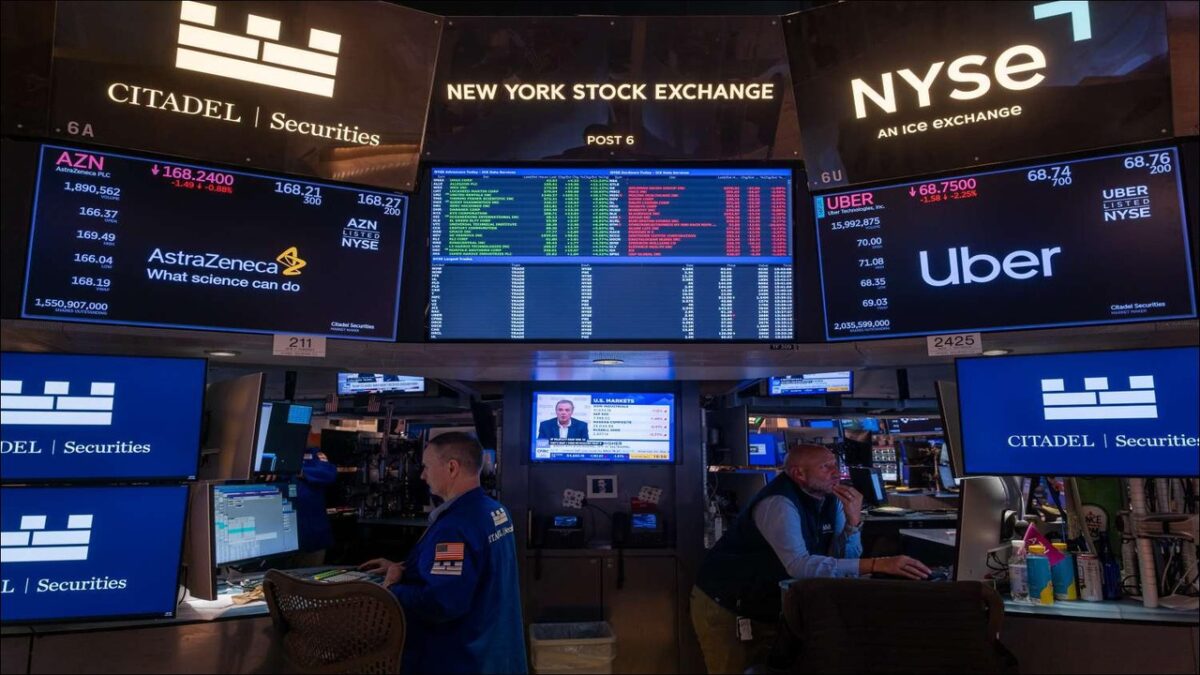
Global crude oil markets witnessed a dramatic downturn this Monday, as oil prices plummeted by a significant 8 percent. This sharp decline was triggered by a perceived weekend pause in hostilities between the United States and Iran, igniting investor optimism for a potential de-escalation of geopolitical tensions in the vital Middle East region. Analysts, eager for any sign of a thaw in relations, interpreted the mutual halting of fire as a positive indicator that peace negotiations could be revived, prompting a wave of selling across energy commodities.
At 17:57 GMT, Brent crude, the international benchmark, dropped more than 8 percent, settling below $88 per barrel. Concurrently, West Texas Intermediate (WTI), the U.S. crude standard, experienced a fall of over 7 percent, trading around $82 per barrel. This immediate market reaction underscores the profound sensitivity of global energy markets to geopolitical developments, particularly those involving major oil-producing nations and critical transit choke points. The sudden shift in sentiment, however, came with a cautious undertone, as market observers debated whether this optimism was truly warranted by underlying realities or merely a desperate search for good news in an otherwise volatile landscape.
Geopolitical Tensions and Crude Oil Market Volatility
The intricate dance of geopolitics has long been a primary driver of volatility in the crude oil market. The relationship between the U.S. and Iran, fraught with historical complexities and ongoing disputes, holds particular sway over global energy supply due to Iran’s strategic location and significant oil reserves. Any perceived escalation, or conversely, de-escalation, invariably sends ripples through international oil trading platforms.
This latest market reaction stems from comments by U.S. president Donald Trump, who told reporters that Washington was engaging in talks with Tehran “right now.” Such high-level pronouncements from political leaders often serve as potent catalysts for market movement, shaping investor expectations about future stability or disruption. The prospect of diplomatic engagement, even if tentative, offers a glimmer of hope that could reduce the immediate risk premium typically embedded in oil prices due to regional instability.
Further reinforcing this narrative, Mike Waltz, the U.S. ambassador to the United Nations, publicly stated that diplomacy remained an active avenue. He told media that the president was “giving some talks some space,” suggesting a concerted effort to create an environment conducive to negotiations. These statements, interpreted by the market as a positive step towards reducing geopolitical risks, fueled the massive sell-off in oil futures, illustrating how rhetoric alone can significantly impact commodity valuations.
Sentiment-Driven Swings Versus Fundamental Realities
The drastic 8 percent plummet in oil prices highlights the powerful role of market sentiment in dictating short-term commodity movements. In an environment often characterized by uncertainty, investors and traders can become highly reactive to any news that suggests a change in the status quo, sometimes overlooking the deeper, more complex fundamental factors that govern long-term supply and demand dynamics.
Critics, however, quickly warned that this wave of optimism might be misplaced, suggesting that investors were grasping for positive news where little substantive change had occurred. This cautionary perspective was underscored by remarks from Iranian foreign ministry spokesman Esmaeil Baghaei. He asserted that Tehran would “never allow America to determine the timing of war and peace” and would “continue to defend ourselves for as long as our interests and considerations require.” Such statements indicate a firm stance from Iran, suggesting that the path to genuine de-escalation might be far more arduous than market participants were optimistically projecting.
Baghaei’s comments serve as a stark reminder that geopolitical positions are often entrenched, and rhetorical gestures, while capable of influencing market psychology, do not necessarily equate to a shift in national policy or military posture. The disconnect between what markets wish to see and the underlying geopolitical realities can create significant volatility, leading to sharp corrections when the initial optimism eventually collides with hard facts. This fundamental clash between market perception and political reality is a recurring theme in energy market analysis.
The Strategic Chokepoint: Strait of Hormuz Implications
One of the most critical elements in the ongoing U.S.-Iran tensions, and a major factor influencing global energy security, is the Strait of Hormuz. This narrow waterway, situated between the Persian Gulf and the Gulf of Oman, is a strategic chokepoint through which approximately one-fifth of the world’s total petroleum liquids transit daily. Any threat to its free passage, or even a perceived disruption, can send shockwaves across the world’s crude oil markets, leading to immediate price spikes and concerns about global oil supply stability.
Alarmingly, Iranian foreign ministry spokesman Esmaeil Baghaei added that the Strait of Hormuz remained “closed.” This statement directly contradicted readily available data; for the record, just 29 transits were recorded from the Strait during a recent period, clearly indicating ongoing maritime activity, albeit potentially under heightened security. This discrepancy between official rhetoric and verifiable facts adds another layer of complexity for market analysts trying to gauge the true level of risk. A genuine closure would have catastrophic implications for global trade and would undoubtedly cause oil prices to skyrocket to unprecedented levels.
Concerns over maritime security in the Strait of Hormuz directly impact the shipping industry, particularly oil tankers responsible for transporting vast quantities of crude oil and refined products. Any heightened tensions in the region translate into increased insurance premiums, longer transit times due to rerouting or security protocols, and elevated operational costs for these vessels. Therefore, the ongoing geopolitical posturing surrounding this critical waterway continues to be a major source of apprehension for the bunker market and global supply chains reliant on stable energy flows.
Analyst Perspectives and Future Oil Market Outlook
Leading energy market analysts are closely scrutinizing the current situation, offering varied perspectives on the future trajectory of oil prices. John Evans, an analyst at PVM, offered a pragmatic view, stating that “Prices will only continue lower if high prices once again dent demand.” This observation underscores a fundamental economic principle: sustained high energy costs can ultimately lead to demand destruction, as consumers and industries reduce consumption, thereby rebalancing the market and potentially pushing prices down.
Several factors beyond immediate geopolitical rhetoric will shape the medium to long-term oil market outlook. These include the pace of global economic recovery, particularly in major consuming nations, the actions of OPEC+ in managing supply quotas, and the stability of shale oil production in the United States. While the perceived de-escalation provided a temporary reprieve, underlying global oil supply and demand dynamics, coupled with potential shifts in monetary policy, will ultimately determine the sustained direction of the crude oil market.
Furthermore, the volatility witnessed in crude oil prices is a clear indicator that the market remains highly susceptible to sudden shifts in investor sentiment. The speed and scale of the recent downturn serve as a powerful reminder for traders and investors to maintain a nuanced perspective, balancing optimistic narratives with a thorough understanding of geopolitical realities and economic fundamentals. The path to sustained stability in global energy markets is rarely linear, often punctuated by such rapid price swings.
Economic Repercussions and the Bunker Market
The immediate economic repercussions of such sharp fluctuations in oil prices are far-reaching. For industries heavily reliant on energy, such as transportation, manufacturing, and logistics, volatile crude oil markets translate directly into unpredictable operational costs. This uncertainty can impede investment, disrupt supply chains, and ultimately affect consumer prices, adding inflationary pressures to the broader global economy.
Specifically, the bunker market, which supplies fuel for ships, is exceptionally sensitive to these shifts. As a key operating expense for tankers, container ships, and bulk carriers, the cost of bunker fuel can significantly impact shipping rates and the profitability of maritime operations. A sudden 8 percent drop in crude oil prices, while initially appearing beneficial, can also create hedging challenges and inventory valuation issues for bunker suppliers and ship operators alike, demanding agile risk management strategies.
For the shipping industry, stable and predictable energy prices are crucial for long-term planning and investment in new, more efficient vessels. The recent volatility underscores the ongoing exposure of global trade to geopolitical events in oil-producing regions. Furthermore, the broader implications extend to national economies, affecting everything from import bills to the competitiveness of export-oriented industries. The pursuit of energy price stability remains a critical objective for governments and businesses worldwide, recognizing its profound impact on economic well-being.
The dramatic plummet in oil prices following a perceived pause in U.S.-Iran hostilities serves as a potent reminder of the crude oil market’s extreme sensitivity to geopolitical developments and investor sentiment. While market participants welcomed the potential for de-escalation, skepticism remains regarding the long-term viability of peace talks, especially given contrasting statements from Iranian officials. The critical role of the Strait of Hormuz continues to anchor concerns about global energy supply and maritime security.
As analysts emphasize the interplay between high oil prices and potential demand destruction, the future trajectory of energy markets will undoubtedly be shaped by a complex confluence of geopolitical maneuvering, fundamental supply-demand dynamics, and broader global economic trends. Navigating this intricate landscape requires vigilance and a nuanced understanding of both the rhetoric and the realities that continuously redefine the outlook for global oil prices and the industries that depend upon them.