Heron Marine South Africa CEO Kgomotso Selokane Steps Down | Mariner News
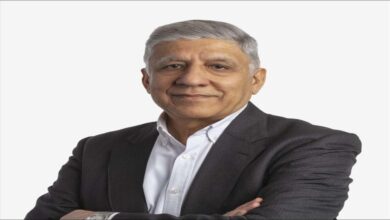
The maritime industry in South Africa is currently witnessing a significant leadership transition with the recent departure of Kgomotso Selokane, the esteemed CEO of Heron Marine. As a pivotal South African bunker supplier and a key subsidiary of the global marine fuels giant TFG Marine, this executive change marks an important moment for the regional shipping fuel market. Selokane, who has been instrumental in the company’s growth and strategic direction since joining in 2018, officially stepped down from her role as of May 29, a development confirmed by sources close to the organization.
Her departure from Heron Marine signals not a cessation of her professional drive, but rather a strategic shift towards broader interests within the interconnected transport, maritime, and infrastructure sectors. This move underscores a prevalent trend among experienced maritime leaders to leverage their extensive knowledge across various segments of the supply chain, seeking opportunities to contribute to wider economic and developmental goals. The news has naturally prompted discussions across the South African maritime sector regarding the implications for Heron Marine, its operations, and the broader marine fuel supply landscape in the region.
Kgomotso Selokane’s Legacy and Impact on South Africa’s Bunker Market
Kgomotso Selokane’s tenure as CEO of Heron Marine, commencing in 2018, was characterized by strategic vision and a deep understanding of the marine fuels market. Under her leadership, Heron Marine solidified its position as a reliable and prominent bunker supplier within South Africa’s competitive maritime industry. She played a crucial role in navigating the complexities of regional fuel supply, ensuring operational excellence and fostering strong relationships with clients and stakeholders.
During her time, Selokane oversaw the company’s operations, focusing on efficient bunker delivery services and maintaining high standards of customer satisfaction. Her leadership was particularly vital in a period of significant change for the global marine fuel sector, including the implementation of the IMO 2020 sulfur cap and evolving market dynamics. She championed initiatives that enhanced Heron Marine’s service capabilities and adaptability in a constantly shifting regulatory and economic environment.
Selokane’s contributions extended beyond day-to-day operations. She was a visible figure in the South African maritime community, advocating for industry growth and development. Her strategic insights helped Heron Marine maintain a competitive edge, ensuring consistent and quality fuel supply to vessels calling at South African ports. The foundation she helped build at Heron Marine is a testament to her dedication and expertise, leaving a lasting mark on the company and the regional bunker market.
A New Horizon: Selokane’s Broader Interests in Transport and Infrastructure
Kgomotso Selokane’s decision to leave Heron Marine is driven by a desire to concentrate on her expansive interests across the transport, maritime, and infrastructure sectors. This strategic pivot highlights a growing recognition among maritime executives of the synergistic relationship between these critical industries, particularly within the context of Africa’s economic development. Her vast experience in marine fuel supply and shipping logistics positions her uniquely to contribute meaningfully to these broader areas.
Her potential future endeavors could involve strategic consulting, advisory roles on major infrastructure projects, or even entrepreneurial ventures aimed at enhancing regional connectivity and efficiency. The integration of efficient transport networks, robust maritime operations, and resilient infrastructure is paramount for unlocking Africa’s economic potential. Selokane’s expertise in navigating complex supply chains and regulatory environments will be invaluable in such pursuits.
This move also reflects a personal and professional evolution, where seasoned leaders seek to apply their specialized knowledge to wider societal and economic challenges. By focusing on these interconnected sectors, Selokane aims to influence policy, drive innovation, and foster sustainable growth, impacting not just the marine industry but the broader economic landscape of South Africa and potentially the continent. Her continued engagement will undoubtedly bring fresh perspectives and strategic insights to the transport and infrastructure development agenda.
Heron Marine’s Continued Stability and TFG Marine’s Global Footprint
Despite the significant leadership change, Heron Marine is poised for continued stability, operating under its existing management structure. This resilience is largely attributed to its strategic partnership with TFG Marine, a globally recognized leader in marine fuels. TFG Marine holds a 51% stake in Heron Marine, with the remaining 49% owned by Siren South Africa, forming a robust alliance that underpins the company’s operational strength and market confidence.
TFG Marine’s global reach and extensive network provide Heron Marine with invaluable resources, strategic oversight, and access to international best practices in bunker fuel supply. This relationship ensures that despite executive transitions, Heron Marine maintains its commitment to reliable and high-quality fuel delivery services for its clientele across South African ports. The global backing allows for continuity in operations, ensuring minimal disruption to shipping companies relying on their services.
Furthermore, the existing management team at Heron Marine is well-versed in the company’s operations and the intricacies of the South African bunker market. Their collective experience, combined with the strategic guidance from TFG Marine, ensures that Heron Marine remains a key player in the regional marine fuel supply chain. The focus will continue to be on delivering efficient, compliant, and competitively priced bunker solutions, affirming its position as a trusted partner in the maritime sector.
Navigating the Dynamic South African Bunker Market Landscape
South Africa occupies a crucial geographical position along some of the world’s busiest shipping lanes, making its ports vital hubs for marine bunkering. The South African bunker market is characterized by its strategic importance, serving a diverse range of vessels from cargo ships and tankers to cruise liners. Companies like Heron Marine play an indispensable role in ensuring the efficient flow of global trade by providing essential marine fuel services.
However, the market is not without its challenges. Bunker suppliers in South Africa must constantly contend with fluctuating oil prices, stringent environmental regulations (such as those concerning sulfur content), and the complexities of local logistics and infrastructure. Ensuring fuel quality, compliance with international standards, and timely delivery are paramount to maintaining a competitive edge in this demanding environment. The industry also faces growing pressure to explore and adopt cleaner marine fuels as part of a broader sustainability agenda.
Despite these hurdles, opportunities abound. The potential for South Africa to become a green maritime hub through the adoption of alternative fuels like LNG, methanol, or ammonia presents significant growth prospects. Digitalization in bunker trading and supply chain management also offers avenues for enhanced efficiency and transparency. As the South African maritime sector continues to evolve, the adaptability and strategic foresight of its bunker suppliers will be crucial in shaping its future success and contribution to the global shipping industry.
Leadership Transitions and the Evolving Maritime Sector
Leadership transitions are a natural and often necessary aspect of any dynamic industry, and the maritime sector is no exception. Executive changes, such as Kgomotso Selokane’s departure from Heron Marine, reflect both the evolving career paths of seasoned professionals and the strategic adjustments companies make to meet new market demands. These moments often serve as catalysts for organizational introspection and the rejuvenation of corporate strategies.
For companies operating in the highly competitive marine fuel supply space, robust succession planning and a resilient management structure are critical. The ability of an organization to absorb executive changes smoothly, without disrupting core operations or client relationships, speaks volumes about its underlying strength and operational maturity. It underscores the importance of institutional knowledge and a collective leadership approach, rather than reliance on a single individual.
Ultimately, such transitions are indicative of a healthy, adapting industry. They provide opportunities for new leaders to emerge, bringing fresh perspectives and innovative approaches to the challenges and opportunities facing the global shipping industry. The continuous evolution of leadership ensures that the maritime sector remains agile, responsive, and forward-looking in its pursuit of efficiency, sustainability, and growth.
Conclusion
The departure of Kgomotso Selokane from her role as CEO of Heron Marine marks a notable leadership transition within South Africa’s marine fuel sector. While her move signifies a new chapter for her professional journey into broader transport, maritime, and infrastructure interests, Heron Marine, supported by TFG Marine’s global strength and its existing management, is well-positioned for continued success. The South African bunker market remains a critical component of global shipping logistics, and companies like Heron Marine will continue to play a vital role in its ongoing evolution.