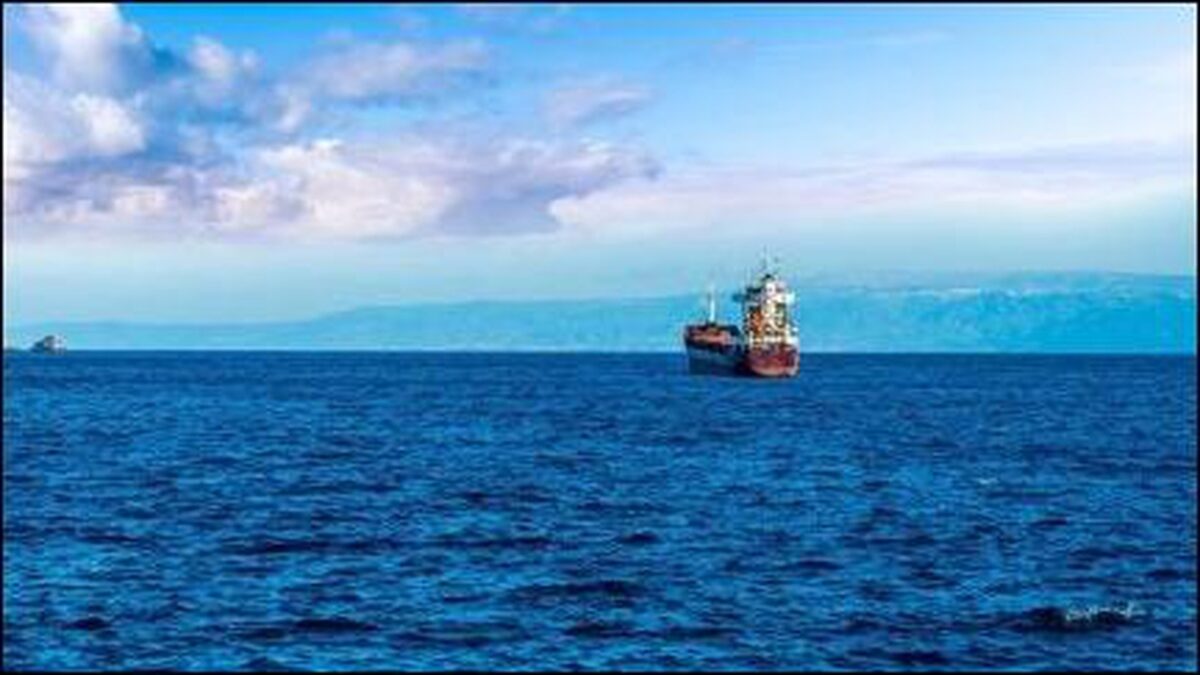
Oil Prices Jump Amid US-Iran Tensions & Strait Closure | Mariner News
Global oil prices surged this week, climbing over a dollar per barrel, as escalating US-Iran tensions unnerved traders and injected fresh volatility into energy markets. Tehran’s declaration concerning the Strait of Hormuz, a critical energy chokepoint, coupled with additional U.S. strikes and President Donald Trump’s pledge for more action, fueled this rise. This highlights the fragile nature of global supply chains and the profound impact of Middle Eastern instability on international trade and economics.
Geopolitical Tensions Fueling Crude Oil Surges
On Thursday, Brent futures rose $1.48, or 1.59%, to $94.58 a barrel; U.S. West Texas Intermediate (WTI) crude climbed $1.71, or 1.90%, to $91.74. Earlier, U.S. crude futures gained over $3, reflecting market shock and speculative buying. These sharp increases underscore how geopolitical events in major oil-producing regions immediately affect this essential commodity’s valuation. Traders swiftly adjusted positions amid heightened uncertainty about future supply and demand.
The latest hostilities began with U.S. forces launching additional strikes against multiple targets in Iran. This marked a significant escalation, threatening to reignite a full-scale war cautiously paused in early April following a fragile ceasefire agreement. The truce’s fragility has consistently concerned energy market analysts, knowing any breakdown could have far-reaching consequences for global crude oil supplies.
Adding to market unease, President Donald Trump indicated readiness for further escalation if a lasting peace deal remained elusive. This firm stance, combined with Iran’s retaliatory rhetoric, paints a picture of intense geopolitical pressure. The prospect of open-ended conflict in a region vital to global energy extraction and transit inevitably drives up the risk premium for every barrel of oil.
The Strait of Hormuz: A Critical Chokepoint for Global Energy
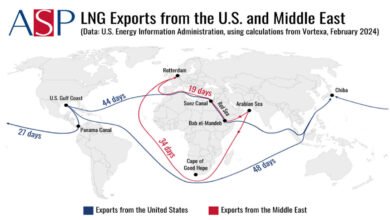
At the heart of current market anxiety is the Strait of Hormuz, a narrow waterway connecting the Persian Gulf to the open ocean. Tehran’s declaration concerning its potential closure sent alarm bells globally. Approximately one-fifth of the world’s oil consumption and much of its LNG transits daily. Any disruption, even temporary, can have catastrophic effects on global crude oil availability and pricing, making it pivotal for energy security.
While Iran’s state media reported U.S. ships near the waterway targeted, the U.S. military confirmed commercial ships continued transit and no U.S. warships were struck. Despite assurances, the mere threat or perception of increased risk often creates significant market turbulence. The psychological impact on traders and shipping companies is profound, leading to higher insurance premiums and altered shipping routes, even if physical closure doesn’t materialize.
The Strait of Hormuz’s strategic importance cannot be overstated. It is a vital artery for the world economy, influencing energy costs. Past tensions demonstrated how quickly threats translate into higher oil prices, regardless of actual flow impact. The current situation highlights the delicate balance required to maintain stability in this crucial maritime passage and protect global supply chain integrity.
Market Volatility and Trader Response to Escalation
The sudden escalation in US-Iran tensions injected a significant ‘fear premium’ into crude oil prices. This premium reflects the market’s assessment of increased supply disruption risk from conflict, sabotage, or new sanctions. Traders, particularly in futures, quickly price in potential future scenarios, leading to rapid price movements driven by perceived risks. This creates a highly volatile trading environment for oil and energy commodities, where market sentiment can outweigh immediate fundamentals.
Beyond headline figures, the broader energy market feels ripple effects. Shipping companies face increased operational costs due to higher insurance rates for vessels transiting the Gulf, impacting landed crude oil and refined product prices. Uncertainty also prompts buyers to seek costlier alternative supply sources, straining global logistics. Speculative trading further magnifies price movements, as hedge funds adjust large positions based on geopolitical forecasts, making crude oil a highly sensitive barometer of global stability and economic health.
Broader Implications for Global Shipping and Supply Chains
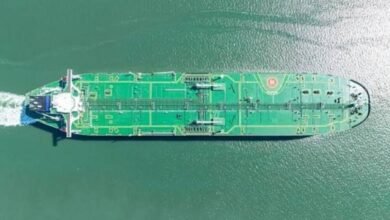
The current geopolitical climate in the Middle East casts a long shadow over global shipping and supply chains. While immediate focus is on crude oil, the maritime industry faces heightened risk. Tanker operators, crucial for transporting the world’s energy, contend with increased security protocols, re-routing, and higher war risk insurance premiums. These additional costs are passed down the supply chain, affecting consumers and industries reliant on stable energy transportation. The threat to maritime security extends beyond oil, creating generalized unease in international trade.
For Persian Gulf shipping companies, vessel deployment and crew safety are paramount. Hints of hostilities lead to delays as ships reroute, increasing transit times, fuel consumption, and operational expenses, disrupting delivery schedules. Global supply chains are highly susceptible to such regional instability, threatening efficiency and introducing costly bottlenecks. The Strait of Hormuz, while an oil chokepoint, impacts other commodities and vessels, highlighting how interdependent global trade routes are. Secure sea lanes are fundamental to world economic health across all maritime sectors.
Navigating Uncertainty: The Future of Oil Prices Amid Conflict
As the US-Iran situation remains highly fluid, predicting future oil prices is challenging. The immediate outlook suggests continued volatility, with prices reacting sharply to new developments. A full breakdown of the fragile ceasefire and protracted military conflict would send crude oil prices soaring, potentially triggering a global energy crisis and significantly dampening economic growth. Conversely, de-escalation or successful diplomacy could see prices stabilize, albeit at a higher baseline due to geopolitical risk premium.
The response of major oil-producing nations, particularly OPEC+ members, will be crucial. Should Iranian oil exports be curtailed or global supply lines face severe disruptions, pressure would fall on countries like Saudi Arabia and the United States to increase output. Their capacity to fully compensate for a major Persian Gulf disruption remains debated. Strategic petroleum reserves might offer temporary relief, but a sustained crisis would demand profound adjustments. Longer-term, instability could accelerate shifts in global energy policy, encouraging diversification, increased renewable investment, and enhanced domestic energy security. These are long-term strategies; the immediate future of crude oil prices remains tethered to the delicate balance of power and diplomacy in the Persian Gulf. Vigilance is key for businesses and policymakers.