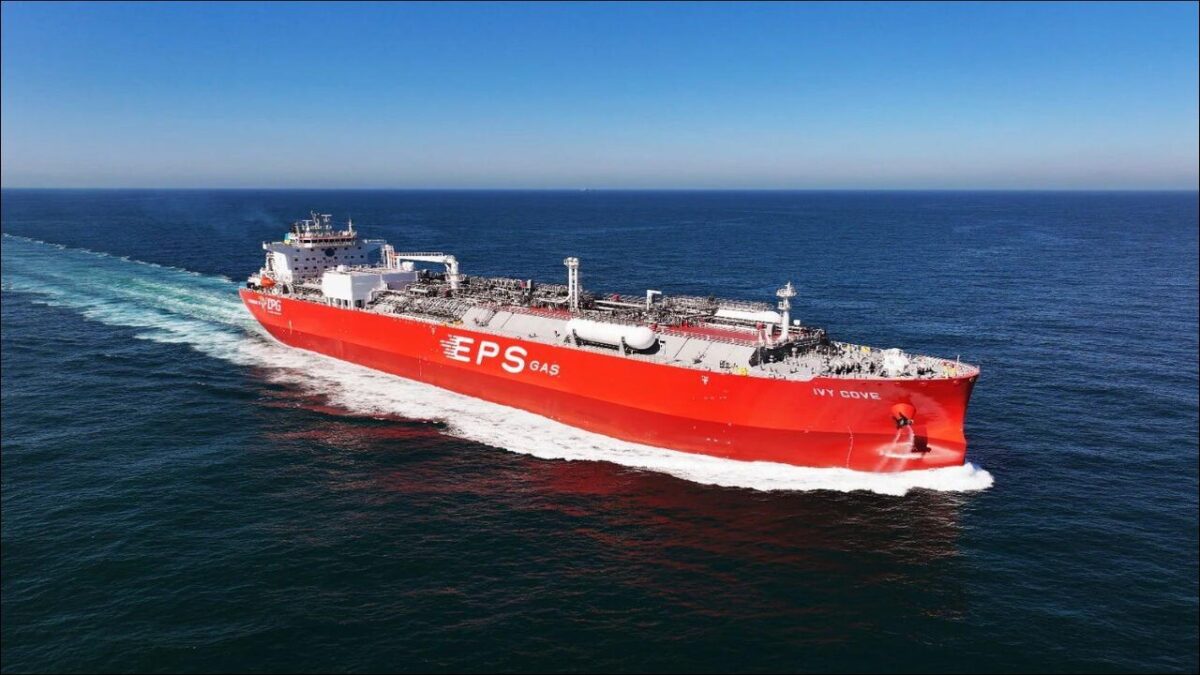
Jiangnan Delivers First VLAC Ammonia Carrier to EPS | Mariner News
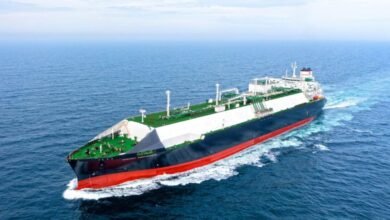
The global maritime industry has achieved a significant milestone: Jiangnan Shipyard delivered its first Very Large Ammonia Carrier (VLAC) to Singapore-based Eastern Pacific Shipping (EPS). This landmark 93,000 m3 vessel, named IVY COVE, signals a major advancement in sustainable shipping, embracing low-carbon fuels. Delivered on June 10, the IVY COVE represents a triumph for Chinese shipbuilding innovation and a pivotal step for global energy transition. This cutting-edge Jiangnan delivers ammonia carrier is poised to redefine gas transportation and contribute significantly to decarbonization, having secured a crucial charter with commodity trader Trafigura.
Pioneering Ammonia Transport: The IVY COVE VLAC and Chinese Leadership
The IVY COVE stands as a beacon of engineering innovation, designed as a new-generation ammonia carrier. With an impressive 93,000 cubic meters capacity, this Very Large Ammonia Carrier (VLAC) is unique: the first of its type both ordered and delivered worldwide, and the first VLAC of this scale from a Chinese shipyard. This pioneering status underscores Jiangnan Shipyard’s exceptional capabilities in design and execution, propelling China to the forefront of advanced shipbuilding. The vessel’s design integrates advanced features for efficient, safe, and environmentally sound ammonia transport.
Jiangnan’s in-house design teams were instrumental in its technical development, showcasing China’s robust investment in green marine technology. This successful delivery demonstrates China’s growing leadership in specialized vessel construction, pushing global shipbuilding boundaries. It represents a monumental milestone for Jiangnan and the entire Chinese shipbuilding industry, affirming their capability to construct state-of-the-art vessels meeting future energy transport demands.
Strategic Collaborations Driving Green Maritime Solutions
The IVY COVE’s journey highlights strategic collaboration among maritime leaders. Eastern Pacific Shipping (EPS), a recognized Singapore-based shipowner, commissioned this groundbreaking Very Large Ammonia Carrier, reaffirming its commitment to fleet modernization and environmental stewardship. EPS consistently invests in advanced marine technologies to reduce carbon emissions and enhance operational efficiency, positioning itself at the forefront of sustainable shipping solutions.
Jiangnan Shipyard’s expertise was pivotal in transforming the IVY COVE into reality. Renowned for sophisticated engineering, Jiangnan proved the ideal partner. This collaboration reflects a key trend: shipowners seeking specialized shipyards to construct vessels meeting future maritime transport demands, especially for alternative fuel carriers. This tripartite alliance between EPS, Jiangnan, and Trafigura creates a powerful synergy essential for accelerating the transition to low-carbon shipping.
Crucially, the IVY COVE’s operational deployment is secured by a long-term charter with Trafigura, a leading global commodity trading powerhouse. This partnership ensures the vessel transports vital energy commodities, including ammonia, to global markets. Trafigura’s involvement signifies escalating demand from major commodity giants for logistics aligned with their sustainability objectives.
Ammonia: A Key Pillar in Decarbonizing Global Shipping
The IVY COVE delivery signifies an impactful stride in maritime decarbonization, featuring ammonia as a viable low-carbon fuel. As global environmental regulations tighten, the shipping sector explores and invests in diverse alternative fuels. Ammonia, with its zero-carbon combustion potential from renewable sources, has rapidly emerged as a leading contender, offering a tangible pathway to significantly reduce greenhouse gas emissions across the global fleet.
The IVY COVE is meticulously designed to transport vast quantities of this critical chemical. It can serve as a direct marine fuel and an efficient hydrogen carrier, making it indispensable for future energy infrastructure. The proactive development of ‘next-generation gas carriers’ like the IVY COVE is foundational to establishing the robust supply chain for ammonia as a mainstream marine fuel.
These cutting-edge vessels are expertly engineered to safely and efficiently handle ammonia’s unique properties, ensuring secure global distribution and building confidence in its viability. Their advanced design is paramount for encouraging further investment in sustainable ammonia production and comprehensive bunkering infrastructure.
The Road Ahead: IVY COVE’s Impact on Global Shipping and Energy Transition
The introduction of pioneering vessels like the IVY COVE holds significant implications for shipping’s future and the broader global energy transition. As the inaugural Very Large Ammonia Carrier of its kind, it sets a powerful precedent for how essential chemical transport and future fuel supply chains will evolve. Its substantial capacity and advanced design signal a clear pathway for effectively scaling up the critical infrastructure necessary to robustly support ammonia as a mainstream, low-carbon marine fuel globally.
Such pioneering deliveries function as potent catalysts for widespread innovation across the entire intricate maritime ecosystem. Shipowners, operators, and technology providers will be inspired to explore similar forward-thinking ventures, accelerating research and development in cutting-edge green shipping technologies.
Looking ahead, the IVY COVE’s successful, long-term operational deployment and stellar performance under its pivotal charter with Trafigura will yield invaluable operational data and insights. This real-world experience will refine future vessel designs, optimize ammonia transport logistics, and validate the economic and environmental benefits of low-carbon fuel carriers. As global demand for sustainable commodities grows, vessels like the IVY COVE will play an increasingly critical role, ensuring the maritime industry remains at the heart of global trade while leading the charge towards a greener, more sustainable future.