Cargo Vessel Hit by Explosions in Gulf Off Iraq | Mariner News
In a concerning development for global maritime security, a cargo vessel in the strategically vital Gulf off Iraq was struck by two explosions, with Iraqi officials confirming one was a drone attack. This serious maritime incident occurred approximately 40 nautical miles southeast of Iraq’s Umm Qasr, a critical port for regional trade. The unprovoked attack on a commercial ship highlights the escalating risks faced by the shipping industry in international waters, prompting immediate alerts and raising alarms across the global supply chain network. Such events underscore the volatile nature of the region and the constant vigilance required to ensure the safety of seafarers and the unimpeded flow of international commerce.
The Attack Unfolds: Chronology of Events
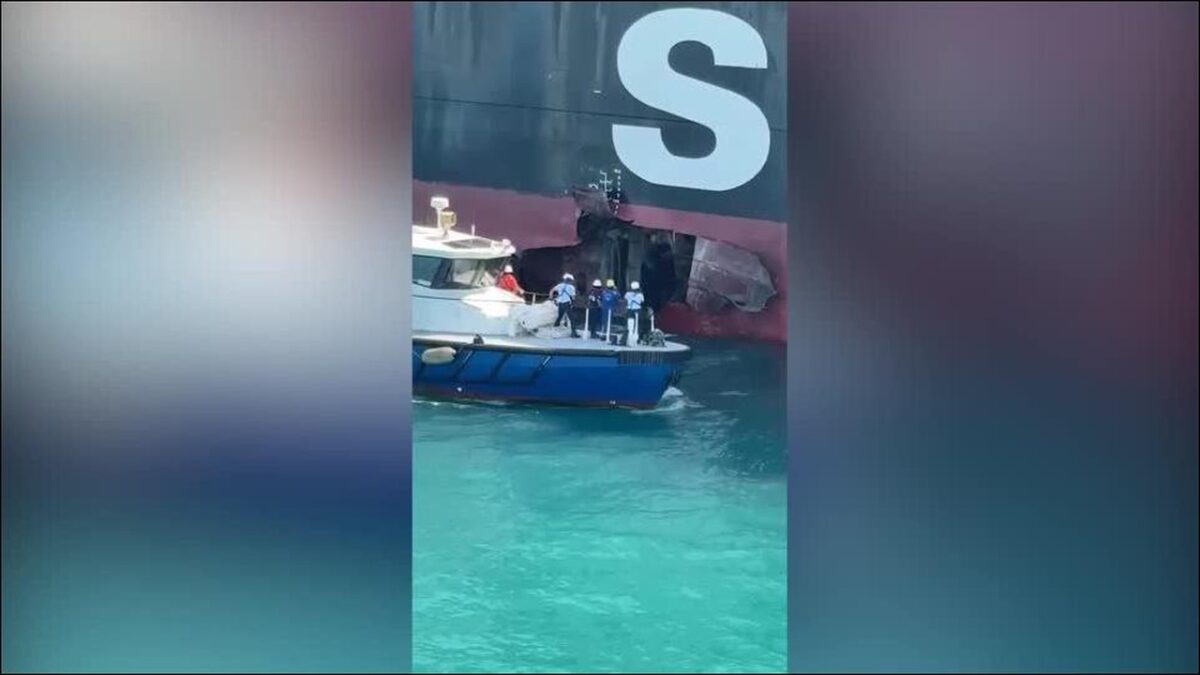
The sequence of events began with an initial report from the United Kingdom Maritime Trade Operations (UKMTO), which indicated that the vessel had been hit by a projectile on its starboard side, resulting in a substantial explosion. This first strike immediately sent shockwaves through the ship and its crew, initiating an urgent assessment of the damage. However, the situation rapidly escalated when, during this critical evaluation, a second powerful blast rocked the same cargo vessel. According to Iraqi officials who spoke to Reuters, this subsequent explosion was definitively caused by a drone attack, marking a dangerous escalation in the tactics employed against commercial shipping. An Iraqi maritime patrol member vividly recounted the harrowing experience, stating, “As we were assessing the damage from the first explosion, we heard a drone hovering overhead, followed by a powerful blast that sparked a fire on the tanker.” Fortunately, the fire aboard the vessel was later brought under control, mitigating what could have been a catastrophic outcome for the ship and its crew. At present, no group has claimed responsibility for this egregious attack, and details regarding the identity of the affected vessel remain unavailable, adding a layer of mystery and concern to the incident.
Regional Maritime Security Concerns in the Gulf
This latest incident is not an isolated event but rather indicative of persistent and heightened maritime security concerns plaguing the Gulf region. The waters surrounding Iraq, including key shipping lanes and trade routes, have historically been a hotspot for geopolitical tensions and various forms of aggression against commercial vessels. Threats ranging from piracy and smuggling to missile and drone attacks have become an unfortunate reality for ships traversing these vital arteries of global trade. The presence of international naval forces and organizations like the UKMTO serves to monitor and report such incidents, providing crucial intelligence and support to the shipping industry. However, the complexity of the security landscape, with multiple state and non-state actors operating within close proximity, makes ensuring comprehensive vessel safety an immense challenge. Each attack on a cargo vessel or tanker not only endangers human lives but also reinforces the perception of instability, directly impacting operational costs and risk assessments for ship operators and insurance providers globally. The free flow of maritime traffic through these critical passages is essential for energy supplies and global commerce, making any disruption a matter of international concern.
Economic Repercussions for Global Shipping
Attacks on commercial vessels, such as the recent drone strike in the Gulf off Iraq, carry significant economic repercussions that ripple across the global shipping industry and beyond. One immediate impact is the inevitable increase in insurance premiums for ships operating in what are designated as high-risk zones. Underwriters reassess their exposure, leading to higher costs for vessel owners and operators, which are ultimately passed down through the supply chain. This escalation in operational expenses can make certain routes less financially viable, potentially leading to rerouting of vessels around perceived danger areas. Such rerouting, while enhancing vessel safety, often results in longer transit times, increased fuel consumption, and higher freight rates. For nations like Iraq, which rely heavily on maritime trade for oil exports and imports of essential goods, such incidents can disrupt port operations and deter commercial shipping traffic, impacting national economies. Furthermore, the uncertainty generated by these attacks can dampen investor confidence in regional maritime infrastructure and trade partnerships. The interconnectedness of global supply chains means that even localized disruptions can have widespread effects, influencing commodity prices, delivery schedules, and the overall stability of international trade. The fear of future incidents creates an environment of caution, pushing stakeholders to re-evaluate logistics and risk management strategies, thereby adding layers of complexity and cost to the intricate web of global commerce.
Enhancing Vessel Safety and Future Strategies
In response to the evolving nature of maritime threats, the shipping industry, in conjunction with naval forces and international organizations, is constantly seeking to enhance vessel safety and implement robust future strategies. This includes the widespread adoption of advanced security protocols onboard commercial ships, ranging from enhanced surveillance systems to improved crew training for emergency response and threat recognition. Ship operators are increasingly investing in protective measures, which may include hardened safe rooms, non-lethal deterrents, and even specialized anti-drone technology, particularly for vessels traversing high-risk areas like the Gulf off Iraq. Furthermore, intelligence sharing plays a crucial role; timely and accurate information from entities like UKMTO and regional naval commands enables vessels to navigate with greater awareness, potentially avoiding dangerous situations or responding more effectively if an incident occurs. International cooperation is paramount, involving joint patrols, information fusion centers, and diplomatic efforts to de-escalate regional tensions that fuel these maritime security threats. The development of international guidelines and best management practices (BMP) for ship owners and operators provides a framework for managing security risks. As technology advances, the integration of AI-powered threat detection, autonomous surveillance systems, and improved communication channels will be vital in creating a more secure maritime environment. These proactive measures aim not only to protect assets and cargo but, most importantly, to safeguard the lives of the seafarers who are essential to global trade.
The Geopolitical Context of Maritime Incidents
Maritime incidents in the Gulf are inextricably linked to the complex geopolitical landscape of the broader Middle East. The region is characterized by deep-seated rivalries, territorial disputes, and proxy conflicts involving various state and non-state actors, all vying for influence and strategic advantage. Attacks on commercial shipping, whether through drone strikes or other projectiles, often serve as a means for these actors to exert pressure, send political messages, or destabilize adversaries without engaging in direct military confrontation. The lack of immediate claims of responsibility for such attacks further complicates the geopolitical picture, making it difficult to attribute blame definitively and consequently to formulate an effective international response. This ambiguity can exacerbate tensions, as accusations and counter-accusations become part of the broader narrative, potentially leading to cycles of retaliation. The economic lifelines that run through the Gulf, particularly oil and gas exports, make these waters a prime target for those seeking to disrupt global energy markets or undermine the economies of rival states. Understanding the motivations behind these maritime security challenges requires a nuanced appreciation of the historical grievances, strategic interests, and internal political dynamics of the regional players. Sustained diplomatic efforts, coupled with a strong international presence, are essential to foster regional stability and prevent these maritime incidents from escalating into broader conflicts that could have devastating global consequences.
Conclusion: Navigating a Volatile Future
The recent explosions hitting a cargo vessel in the Gulf off Iraq, underscored by the confirmation of a drone attack, serve as a stark reminder of the persistent and evolving threats to maritime security in one of the world’s most critical shipping arteries. This event not only puts the lives of seafarers at risk but also introduces significant disruptions and costs into the global supply chain, affecting everything from insurance rates to the prices of goods. The incident reinforces the urgent need for enhanced vigilance, robust security protocols, and strengthened international cooperation to protect commercial shipping. As geopolitical tensions continue to simmer in the region, the challenge of ensuring safe passage for cargo vessels, including tankers, remains paramount. Stakeholders across the shipping industry, alongside international naval and diplomatic bodies, must collaborate effectively to mitigate these risks, secure vital trade routes, and foster stability in a volatile maritime domain. The future of global commerce depends on our collective ability to safeguard these essential pathways from aggression and ensure unimpeded navigation for all.