Hafnia’s Torm Stake Soars: Tanker Market Value Boost | Mariner News
In a significant development for the global maritime industry, Hafnia’s stake in rival Torm has soared in value in recent months, underscoring the robust performance and strategic importance of the product tanker sector. This notable appreciation highlights not only the shrewdness of Hafnia’s investment strategy but also the compelling market dynamics currently at play, benefiting shipping companies focused on the transportation of refined petroleum products. As a leading player in the product tanker segment, Hafnia’s strengthened position through its Torm holding provides a fascinating case study in capital appreciation within the often-volatile shipping market. Investors are closely watching how this surge impacts both companies and signals broader trends in the movement of clean petroleum products worldwide. The confluence of geopolitical events, shifting supply chains, and consistent demand for refined fuels has created a fertile ground for such significant value growth, cementing the tanker market’s current positive trajectory and signaling a period of considerable returns for strategic maritime investments.
The Strategic Investment: Hafnia’s Position in Torm
Hafnia and Torm represent two formidable forces within the product tanker segment, a crucial niche in the broader shipping industry dedicated to carrying refined oil products such as gasoline, diesel, jet fuel, and naphtha. Hafnia, a prominent owner and operator of product tankers, initially acquired a substantial stake in Torm, another Danish-headquartered product tanker company with a strong global presence. This move was widely viewed as a strategic investment, allowing Hafnia to gain exposure to Torm’s fleet and operational efficiencies, while also signaling a potential long-term play in the consolidation of the tanker market. The initial rationale likely centered on diversifying assets, capitalizing on Torm’s specific market positioning, and leveraging synergies within the clean petroleum product transportation landscape. Over time, this judicious investment has yielded remarkable returns, transforming a strategic holding into a significant financial asset for Hafnia. The appreciation of this shipping investment reflects positively on the management’s foresight in identifying undervalued or high-potential assets within the competitive maritime sector. The focus of both companies on medium-range (MR) and long-range (LR) product tankers means they are directly exposed to the dynamics of refined product trade, which has recently seen exceptional strength, fueling the rise in Torm’s market capitalization.
Catalysts Behind the Soaring Valuation in the Tanker Market
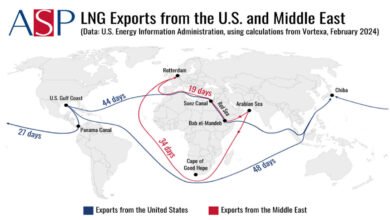
The dramatic increase in the value of Hafnia’s stake in Torm is not an isolated event but rather a reflection of several powerful catalysts driving the entire product tanker market. Firstly, global energy supply chain disruptions, particularly those stemming from geopolitical conflicts and sanctions, have necessitated longer shipping routes for refined products. For instance, the re-routing of Russian oil and products, coupled with increased demand from various regions, has led to a significant increase in tonne-mile demand – a key metric for shipping profitability. Secondly, robust demand for clean petroleum products continues to underpin high freight rates. Despite economic headwinds in some areas, global consumption of gasoline, diesel, and jet fuel remains strong, especially with post-pandemic travel recovery and industrial activity. Furthermore, the global tanker fleet has seen limited newbuilds in recent years due to shipyard constraints, environmental regulations, and a cautious approach by owners. This creates a favorable supply-demand imbalance, where an aging fleet combined with high demand and longer routes translates into sustained elevated freight rates and asset values. The cumulative effect of these factors has been a period of unprecedented earnings for product tanker operators like Torm, directly translating into higher stock valuations and thus boosting the value of Hafnia’s significant holding. This market strength underscores the importance of understanding macro-economic and geopolitical influences on shipping industry trends and stock appreciation.
Financial Implications and Market Reaction for Hafnia
The soaring value of its stake in Torm has profound financial implications for Hafnia. For starters, it significantly enhances Hafnia’s balance sheet, boosting its overall asset value and potentially improving key financial ratios. This appreciation provides Hafnia with greater financial flexibility, whether for future investments, debt reduction, or shareholder returns. The market’s reaction to such a significant increase in investment value is generally positive, often leading to increased investor confidence in Hafnia’s strategic acumen and management capabilities. It validates their decision to invest in a competitor and highlights their deep understanding of the product tanker market’s cycles and opportunities. While the investment is in a publicly traded entity, the indirect boost to Hafnia’s own equity value can be substantial. A stronger balance sheet and positive market sentiment can also translate into more favorable borrowing terms for Hafnia, supporting further fleet expansion or operational upgrades. This demonstrates how a well-placed shipping investment can yield substantial rewards, reinforcing Hafnia’s position as a leading entity within the global maritime sector and enhancing its profile among shipping stocks. The strong performance of this strategic asset provides a tangible measure of the positive momentum within the broader product tanker market.
Torm’s Performance and the Competitive Landscape
While Hafnia benefits from its holding, the underlying driver is Torm’s exceptional performance. Torm has consistently delivered strong financial results, showcasing operational excellence, efficient fleet management, and effective risk mitigation in a dynamic market. Their robust earnings and dividends have made them an attractive stock for investors, pushing their share price upwards. This robust performance is critical, as it directly underpins the value appreciation of Hafnia’s investment. In the highly competitive product tanker sector, Torm’s ability to navigate market fluctuations, maintain high utilization rates, and secure lucrative contracts speaks volumes about its management and operational strength. The presence of a significant shareholder like Hafnia, while representing a potential competitor, also signals a level of confidence in Torm’s business model and future prospects. The competitive landscape for product tankers is always intense, with numerous players vying for market share. However, companies like Torm that demonstrate consistent profitability and strategic fleet deployment tend to stand out. Their success highlights the importance of operational efficiency, a modern fleet, and astute chartering decisions in maximizing returns within the shipping industry. The healthy competition within the clean petroleum product transportation niche ultimately benefits the global economy by ensuring efficient delivery of essential fuels, while simultaneously offering substantial investment opportunities for savvy maritime investors.
Broader Trends and the Future of the Product Tanker Sector
The surging value of Hafnia’s Torm stake is indicative of broader positive trends shaping the future of the product tanker sector. Looking ahead, the demand for clean petroleum products is expected to remain resilient, driven by emerging economies, continued global trade, and the ongoing need for refined fuels for transportation and industrial processes. While the transition to green energy sources is a long-term trend, the intermediate reliance on oil products ensures continued demand for efficient maritime transport. Furthermore, environmental regulations, such as the IMO 2020 sulfur cap and upcoming decarbonization mandates, continue to influence fleet composition and operational strategies. These regulations can lead to older, less efficient vessels being phased out, further tightening the supply side and supporting freight rates for compliant, modern ships. The ongoing geopolitical instability, which has been a primary driver of longer routes and higher tonne-mile demand, shows little sign of immediate resolution, suggesting that current market conditions may persist. Investors are increasingly recognizing the strategic importance and profitability potential of shipping stocks, particularly in segments like product tankers that are essential to global trade infrastructure. This sustained interest could drive further investment into the sector, potentially leading to fleet modernization and the adoption of more sustainable shipping practices. The future for product tanker owners appears cautiously optimistic, balancing growth opportunities with regulatory challenges and the need for ongoing innovation in vessel technology and operations within the maritime sector.
Navigating the Dynamics: Opportunities and Challenges for Shipping Investments
The current boom in the product tanker market, exemplified by the appreciation of Hafnia’s stake in Torm, presents both significant opportunities and inherent challenges for shipping investments. The opportunities lie in capital appreciation, strong dividend yields from profitable companies, and the essential role shipping plays in global supply chains. For investors seeking exposure to commodity markets and global trade dynamics, shipping stocks offer a direct avenue. However, the sector is also characterized by its cyclical nature and susceptibility to geopolitical events, economic downturns, and regulatory shifts. Future challenges include the imperative for decarbonization, which will require substantial investment in new technologies, alternative fuels, and more efficient vessel designs. Balancing profitability with sustainability goals will be a critical task for shipping companies in the coming years. Additionally, potential oversupply from newbuild orders, if the market becomes too attractive, could eventually dampen freight rates. Therefore, while the present outlook is bright for product tanker operators, a nuanced understanding of market fundamentals, company-specific strategies, and macro-environmental factors remains crucial for successful shipping investment. The story of Hafnia’s investment in Torm serves as a powerful reminder of the potential for strategic gains in a well-managed shipping portfolio, provided that market trends are accurately assessed and long-term vision is maintained.
The substantial increase in the value of Hafnia’s stake in Torm stands as a testament to the current strength and strategic importance of the product tanker sector. This notable appreciation is a direct outcome of robust global demand for clean petroleum products, prolonged shipping routes due to geopolitical factors, and a favorable supply-demand balance within the global tanker fleet. For Hafnia, this translates into enhanced financial strength and validated strategic foresight, reinforcing its position as a key player in the maritime industry. For Torm, it underscores exceptional operational performance and resilience in a competitive market. As the world continues to rely on efficient maritime transport for essential goods, the trajectory of shipping investments, especially in critical segments like product tankers, will remain a focal point for investors and industry observers alike. This success story highlights the dynamic nature of shipping stocks and the significant returns possible from well-timed and strategically sound investments in the global supply chain.