BW LPG Orders 8 VLGC Newbuilds: $940M Investment | Mariner News
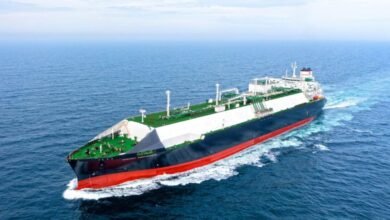
BW LPG, a global leader in liquefied petroleum gas (LPG) shipping, has made a monumental announcement that underscores its strategic vision and confidence in the future of the energy transportation sector. The company has officially placed an order for eight new Very Large Gas Carriers (VLGCs) with shipbuilding giant Hyundai Heavy Industries, representing a significant investment of approximately $940 million. This substantial commitment to fleet expansion and modernization highlights BW LPG’s proactive approach to meeting anticipated demand in the robust global LPG market. These state-of-the-art VLGCs, crucial for the efficient and safe transport of LPG across oceans, are set to join the company’s formidable fleet between early 2029 and the second quarter of 2030, marking a pivotal moment for both the company and the broader maritime industry. The order reinforces BW LPG’s dedication to enhancing its operational capabilities and strengthening its position as a dominant force in very large gas carrier services.
This strategic move by BW LPG comes at a time when the dynamics of global energy trade are constantly evolving. The decision to invest nearly a billion dollars in newbuild vessels is a clear indicator of the company’s strong belief in the long-term viability and growth trajectory of the LPG sector. Such a significant investment reflects meticulous market analysis and a commitment to maintaining a leading-edge fleet. It’s not just about adding capacity; it’s about adding advanced, efficient, and flexible capacity that can adapt to future challenges and opportunities within the global energy shipping landscape. The new very large gas carriers are poised to play a crucial role in the global energy supply chain, connecting producers with consumers across continents and supporting diverse industrial and domestic demands.
Strategic Investment in the Global LPG Market
This substantial investment by BW LPG is not merely an expansion but a strategic reinforcement of its ongoing fleet renewal program, designed to capitalize on the robust and long-term fundamentals of the global LPG market. The demand for liquefied petroleum gas, used widely for heating, cooking, petrochemical feedstock, and increasingly as a marine fuel, continues to demonstrate resilience and growth. CEO of BW LPG, Kristian Sorensen, emphasized this strategic alignment, stating, “This newbuilding series underpins our ongoing fleet renewal program, supported by strong long-term fundamentals in the LPG market.” This forward-thinking approach positions BW LPG to effectively address the evolving needs of its clientele and the broader energy landscape. By investing in new, highly efficient gas carriers, the company ensures it maintains a competitive edge, capable of delivering reliable and cost-effective energy transportation solutions worldwide. The decision reflects a deep understanding of market dynamics and a commitment to sustainable growth in the competitive shipping industry. These advanced vessels will play a critical role in facilitating the global distribution of LPG, connecting supply sources to burgeoning consumer markets.
Moreover, the long-term nature of this investment underscores confidence in LPG as a bridge fuel and a significant component of the future energy mix. As global economies strive for lower carbon emissions, LPG offers a cleaner alternative to traditional fossil fuels in many applications. BW LPG’s commitment to expanding its fleet of very large gas carriers enables it to meet this growing demand efficiently and responsibly. The company’s strategy involves not only responding to current market needs but also anticipating future trends, ensuring that its fleet remains modern, technologically advanced, and capable of navigating future regulatory and environmental landscapes. This proactive stance solidifies BW LPG’s leadership in the specialized niche of gas transportation, ensuring robust operational capabilities for years to come.
Enhancing Fleet Capacity and Operational Flexibility
The eight new VLGCs, each boasting a capacity of 90,000 cubic meters, are designed to Panamax specifications, a key feature that provides enhanced operational flexibility. This design choice allows the very large gas carriers to navigate critical waterways, such as the Panama Canal, with greater ease, optimizing transit times and operational efficiency. Kristian Sorensen further highlighted this aspect, noting, “These Panamax newbuildings represent the most flexible design, enhancing our scale, commercial and operational flexibility.” This flexibility is paramount in a dynamic global shipping environment, enabling BW LPG to adapt quickly to changing trade routes and market demands. The addition of these modern vessels will significantly bolster BW LPG’s already impressive fleet, which currently comprises 50 VLGCs. Notably, 20 of these existing vessels are equipped with LPG dual-fuel engines, showcasing BW LPG’s commitment to environmental sustainability and embracing innovative propulsion technologies. While the specifications for the new vessels regarding fuel type are subject to finalization, the company’s existing embrace of dual-fuel technology signals a clear direction towards greener shipping solutions. This expansion not only increases total carrying capacity but also modernizes the fleet, leading to improved fuel efficiency and reduced emissions, vital considerations for contemporary maritime operations.
The strategic choice of Panamax newbuilds emphasizes BW LPG’s focus on maximizing trade versatility. By ensuring these very large gas carriers can transit major global chokepoints, the company enhances its ability to serve a wider range of markets and respond swiftly to geopolitical or logistical shifts. This operational agility is a significant competitive advantage in the volatile shipping sector. Furthermore, upgrading and expanding the fleet with modern vessels typically translates to lower operating costs through better fuel efficiency, reduced maintenance, and compliance with the latest environmental regulations. This dual benefit of enhanced capacity and efficiency positions BW LPG strongly for sustained profitability and market dominance in the specialized field of LPG transportation. The investment underscores the strategic importance of vessel design in achieving long-term operational and commercial success within the energy shipping industry.
The Role of Hyundai Heavy Industries in VLGC Construction
The selection of Hyundai Heavy Industries (HHI) for this substantial order underscores the shipbuilding giant’s formidable reputation and expertise in constructing complex, high-value maritime vessels. HHI, based in South Korea, is one of the world’s leading shipbuilders, renowned for its advanced technology, precision engineering, and capacity to deliver large-scale projects. The agreement for these eight very large gas carriers solidifies a partnership between two industry stalwarts, ensuring that the newbuilds meet the highest standards of safety, efficiency, and environmental compliance. The construction timeline, with deliveries scheduled from early 2029 through the second quarter of 2030, reflects the intricate nature of building such sophisticated gas carriers. These aren’t merely ships; they are complex floating facilities designed to transport volatile cargo safely across vast distances. The multi-year delivery schedule allows HHI to meticulously craft each vessel, incorporating the latest advancements in naval architecture and marine engineering. For HHI, securing an order of this magnitude, totaling nearly a billion dollars, represents a significant boost to its order book and reinforces its position at the forefront of specialized vessel construction. It also signals robust activity within the global shipbuilding sector, particularly for high-value segments like gas carrier newbuilds. This collaboration is set to bring cutting-edge very large gas carriers into service, further enhancing global LPG transportation capabilities.
Hyundai Heavy Industries’ long-standing experience in constructing specialized vessels, including various types of gas carriers, gives BW LPG confidence in the quality and timely delivery of these crucial assets. The extensive technical expertise and advanced facilities at HHI are essential for fabricating vessels that must adhere to stringent safety regulations and perform optimally in challenging marine environments. The collaboration between BW LPG and HHI exemplifies the intricate global network of maritime commerce, where specialized expertise in shipbuilding meets strategic foresight in vessel ownership. This partnership not only impacts the direct stakeholders but also influences the broader maritime supply chain, from material suppliers to component manufacturers, contributing significantly to global economic activity. The new very large gas carriers will embody the pinnacle of modern shipbuilding technology, designed for optimal performance and longevity in the demanding LPG shipping market.
Broader Implications for the Maritime Shipping Industry
BW LPG’s substantial investment in eight new VLGCs sends a strong signal throughout the maritime shipping industry, particularly within the energy transportation segment. This multi-million dollar order not only supports the shipbuilding industry but also reflects a broader confidence in the long-term health and growth of the global LPG market. Such large-scale newbuild orders often act as a barometer for future market demand and supply dynamics. The commitment to these very large gas carriers suggests that industry leaders anticipate sustained growth in LPG consumption and trade flows, necessitating increased and modernized shipping capacity. Furthermore, the emphasis on flexible design, such as Panamax specifications, highlights a continued trend towards optimizing logistical efficiency and route adaptability in global shipping. This order could also stimulate further investment in related infrastructure, including port facilities and terminals equipped to handle these large gas carriers. The long-term delivery schedule also provides stability for HHI’s workforce and supply chain, demonstrating the cyclical yet vital relationship between shipowners and shipbuilders. As the shipping sector navigates evolving regulatory landscapes and decarbonization targets, investments like these, especially those hinting at or directly incorporating advanced fuel technologies, are crucial for shaping the future of sustainable maritime transport. This investment reinforces the critical role of specialized shipping in the global energy supply chain.
The ripple effects of such a significant order extend beyond the immediate financial transaction. It impacts employment in shipbuilding nations, drives innovation in marine technology, and contributes to the overall stability and growth of the global shipping economy. The demand for new, efficient very large gas carriers indicates a dynamic marketplace where older, less efficient vessels may eventually be phased out, leading to a greener and more technologically advanced global fleet. This trend is vital for the maritime industry’s journey towards decarbonization and improved environmental performance. BW LPG’s proactive fleet management strategy, integrating both newbuilds and existing dual-fuel vessels, positions it as a key player in shaping the future of sustainable energy transportation, showcasing a commitment to both commercial success and environmental stewardship within the vital sector of gas carriers.
Future Outlook for LPG Shipping and BW LPG
Looking ahead, BW LPG’s strategic acquisition of eight new very large gas carriers positions the company for sustained leadership and robust growth in the dynamic LPG shipping market. The timing of these deliveries, spanning from 2029 to 2030, aligns with long-term projections for increased global energy demand and the growing importance of LPG as a versatile and cleaner-burning fuel compared to heavy fuel oil. As environmental regulations tighten and economies seek more sustainable energy sources, the demand for LPG is expected to remain strong, especially in emerging markets. This significant fleet expansion ensures that BW LPG is well-equipped to capture these opportunities, maintaining its competitive edge and delivering exceptional value to its shareholders and customers. The company’s proactive stance in renewing and expanding its fleet demonstrates its resilience and forward-thinking approach in a complex global economy. With its growing fleet of advanced VLGCs, including those with dual-fuel capabilities, BW LPG is not only bolstering its operational strength but also contributing to the global transition towards more efficient and environmentally responsible energy transportation. This substantial investment in newbuilds underscores BW LPG’s unwavering confidence in the future of the LPG trade and its pivotal role within it, securing its trajectory as a leading provider of very large gas carrier services for decades to come.
The long-term commitment reflected in this $940 million investment will allow BW LPG to maintain its strong market position and adaptability in the face of future energy transitions. By continuously modernizing its fleet with state-of-the-art very large gas carriers, BW LPG is ensuring its capacity to serve an expanding global market efficiently and sustainably. This strategic vision is critical for any major player in the energy shipping industry, highlighting the importance of anticipating market needs and investing in the necessary assets to meet them. As the world continues to rely on efficient energy logistics, BW LPG’s enhanced fleet will be at the forefront, facilitating critical trade flows and reinforcing its reputation as a reliable and forward-thinking shipping enterprise.