Rosebank & Jackdaw Projects: UK Energy Security | Mariner News
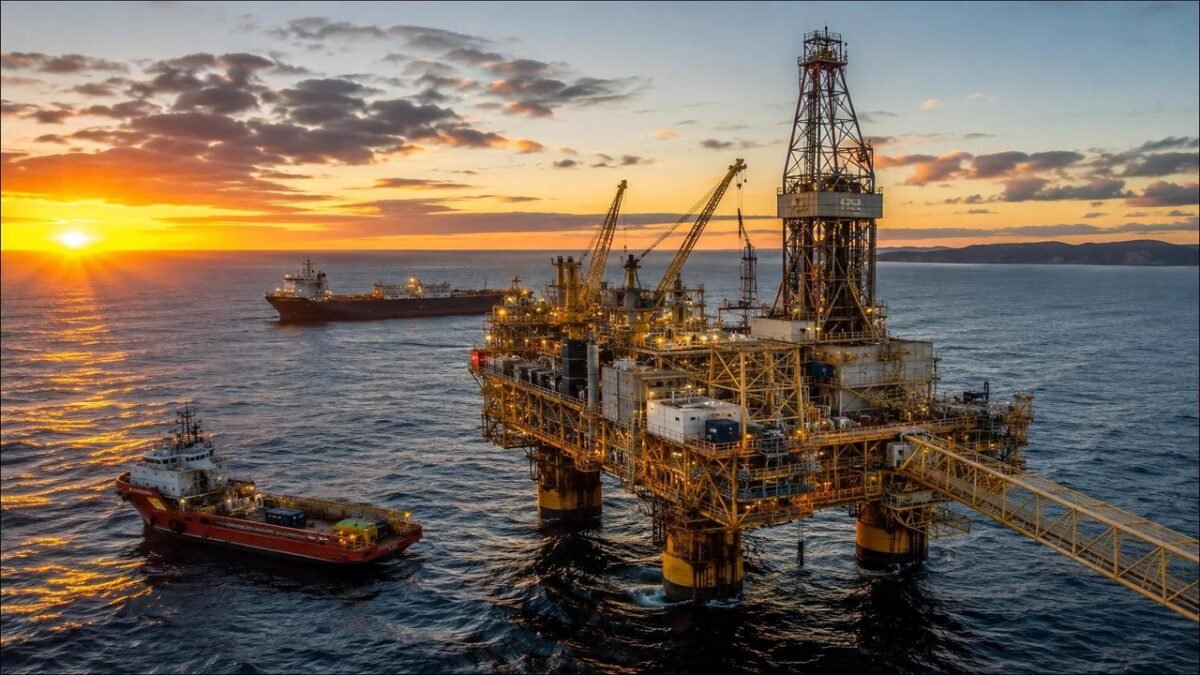
Offshore Energies UK (OEUK) has issued a robust response to the ongoing public consultations concerning the monumental £10.8 billion Rosebank energy project and Jackdaw energy project, emphasizing their indispensable role in safeguarding the nation’s energy future. This proactive stance underscores the industry body’s conviction that accelerating consent for these significant offshore developments is paramount for bolstering UK energy security, stimulating economic growth, and securing a vibrant industrial future for the country. The Rosebank energy project, an oil field development, alongside the Jackdaw energy project, a gas field, collectively represent a pivotal moment for domestic energy production amidst a volatile global landscape.
OEUK’s detailed submission highlights the urgent need to unlock these vital resources, stressing that continued delays only exacerbate the UK’s reliance on energy imports and compromise its strategic resilience. The energy landscape is evolving rapidly, and these projects are seen not merely as commercial ventures but as critical infrastructure investments that will underpin the nation’s stability for decades to come. With geopolitical tensions constantly shifting and global supply chains facing unprecedented pressures, the argument for strengthening indigenous energy capabilities has never been more compelling. The industry’s perspective is clear: a balanced approach that supports transitional fossil fuel projects while simultaneously investing in renewables is essential for a stable and orderly energy transition.
The Strategic Imperative of Rosebank and Jackdaw Energy Projects
The strategic importance of the Rosebank and Jackdaw energy projects cannot be overstated, particularly in the context of the UK’s broader energy policy objectives. Offshore Energies UK consistently argues that these developments are not just about extracting oil and gas; they are fundamental pillars in the overarching strategy to enhance UK energy security. The projects offer a tangible pathway to reducing dependency on volatile international markets, thereby shielding consumers and businesses from drastic price fluctuations and supply disruptions. Furthermore, by increasing domestic energy production, the UK can maintain greater control over its energy mix and secure a more predictable supply, a non-negotiable factor for national resilience.
Beyond immediate supply, the projects are portrayed as integral to the UK’s economic health. The substantial private sector investment associated with both Rosebank and Jackdaw is set to inject billions into the economy, creating thousands of high-skilled jobs across the supply chain, from engineering and manufacturing to logistics and specialized services. This economic stimulus extends far beyond the immediate construction phase, promising long-term employment opportunities and fostering innovation within the oil and gas industry. OEUK stresses that these investments are crucial for sustaining the industrial expertise necessary for the broader energy transition, ensuring that the UK retains its leadership in offshore technologies and capabilities.
Unpacking the £10.8 Billion Investment and UK Benefits
The combined private sector investment of £10.8 billion in the Rosebank and Jackdaw projects represents one of the largest infusions of capital into the UK’s energy sector in recent memory. The Rosebank energy project, situated approximately 80 miles west of the Shetland Islands, alone accounts for a staggering £8.7 billion, making it the largest advanced energy project currently awaiting regulatory approval in the UK. This substantial commitment underscores the private sector’s confidence in the long-term viability and strategic necessity of offshore resource development. The economic ripples from this investment are projected to be felt across the entire UK, particularly in regions with established ties to the North Sea oil and gas industry.
Complementing Rosebank is the Jackdaw gas field, located 150 miles east of Aberdeen in the North Sea, attracting a further £2.1 billion in investment. Significantly, more than three-quarters of this capital is earmarked for direct investment within the UK, translating into tangible benefits for British businesses and workers. This includes contracts for fabrication, installation, maintenance, and a wide array of support services, ensuring that a substantial portion of the project’s value remains within the national economy. The emphasis on local content generation is a key component of OEUK’s advocacy, highlighting how these projects contribute directly to economic growth and job creation for British communities.
These investments are critical not just for immediate economic uplift but also for sustaining the specialized skills base and infrastructure that supports the UK’s broader energy ambitions. Without continuous investment in such large-scale projects, the risk of losing vital expertise and weakening the supply chain grows, potentially undermining future renewable energy projects that also rely on offshore engineering and marine capabilities. The projects are therefore framed as a bridge, maintaining industrial capacity during the energy transition while providing essential power.
Navigating the Regulatory Landscape and Public Consultation
The path to bringing the Rosebank and Jackdaw projects online has been characterized by a protracted and often complex regulatory process, culminating in the current series of public consultation periods. These consultations, which conclude on August 10, 2026, for Jackdaw and August 17, 2026, for Rosebank, are a standard, albeit exhaustive, part of the process required before these developments can commence production. They provide a crucial avenue for stakeholders, environmental groups, and the general public to voice their concerns and perspectives, ensuring transparency and accountability in the decision-making process.
Offshore Energies UK has actively engaged with these consultations, presenting a compelling case for expedited regulatory approval. The organization contends that the projects have undergone rigorous environmental impact assessments and adhere to stringent safety and operational standards. However, the two years of continuous uncertainty surrounding both projects have created significant challenges for investors and operators, impacting planning and resource allocation. OEUK’s response aims to clarify the strategic importance of these projects, arguing that further delays are not in the national interest, given the pressing need for UK energy security.
The regulatory framework governing fossil fuel development in the North Sea is designed to be thorough, balancing economic imperatives with environmental stewardship. While the public consultations are vital for democratic oversight, OEUK emphasizes the need for decisive action once all feedback has been duly considered. The industry body seeks to demonstrate that the projects can proceed responsibly, integrating best practices for environmental protection and contributing positively to the UK’s energy mix while adhering to all necessary legal and environmental stipulations.
Addressing Criticisms and the Energy Transition Dialogue
Naturally, the proposed development of new North Sea oil and gas fields has drawn significant criticism from environmental groups and climate activists. Their primary concern revolves around the long-term implications for the UK’s net-zero targets and the broader global effort to combat climate change. Critics argue that investing in new fossil fuel infrastructure undermines commitments to a green future and locks the nation into carbon-intensive energy for longer than necessary. This perspective often calls for a rapid, immediate transition away from all fossil fuels, with an exclusive focus on renewable energy sources.
Offshore Energies UK acknowledges these legitimate concerns and actively participates in the broader energy transition dialogue. However, OEUK’s position is that a pragmatic and managed transition is essential. They argue that abruptly ceasing all domestic oil and gas production would not eliminate demand but merely shift it to imports, potentially from countries with less stringent environmental regulations. This would not only compromise UK energy security but also potentially increase global emissions due to longer transport routes and less controlled extraction methods. Therefore, OEUK advocates for continued domestic production as a transitional fuel, managed responsibly, while simultaneously accelerating investment in renewables, carbon capture, and hydrogen technologies.
Moreover, the organization highlights the role that the oil and gas industry plays in funding the energy transition itself. Profits from current production contribute significantly to tax revenues, which can then be reinvested in green technologies and infrastructure. The industry also possesses the engineering expertise, project management capabilities, and supply chain necessary to deliver large-scale offshore renewable projects, such as wind farms. OEUK stresses that a collaborative approach, rather than outright opposition, is the most effective way to achieve climate goals without jeopardizing the economy or energy supply.
Bolstering UK Energy Resilience and Economic Stability
The core message from Offshore Energies UK remains consistent: the Rosebank and Jackdaw energy projects are fundamental to bolstering UK energy resilience and ensuring long-term economic stability. In a world grappling with geopolitical instability and supply chain vulnerabilities, domestic energy production is not a luxury but a strategic necessity. These projects reduce the UK’s exposure to volatile global markets, providing a more stable and predictable energy supply that is crucial for both industrial operations and household budgets.
By continuing to invest in and develop its own natural resources, the UK can maintain a diverse energy portfolio, cushioning itself against unforeseen disruptions and price shocks. This diversification is a key component of national security. Furthermore, the economic benefits extending from the £10.8 billion investment are poised to generate significant tax revenues, create substantial employment opportunities, and foster technological advancements that can be leveraged across the entire energy sector.
The future outlook for the UK offshore industry, as envisioned by OEUK, is one of strategic evolution. While recognizing the imperative to transition towards net-zero, the organization champions a pragmatic pathway that leverages existing capabilities and resources to ensure energy independence and economic prosperity throughout the transition. The Rosebank and Jackdaw projects, therefore, are not just about meeting today’s energy needs but are crucial stepping stones in building a more resilient, secure, and sustainable energy future for the UK.