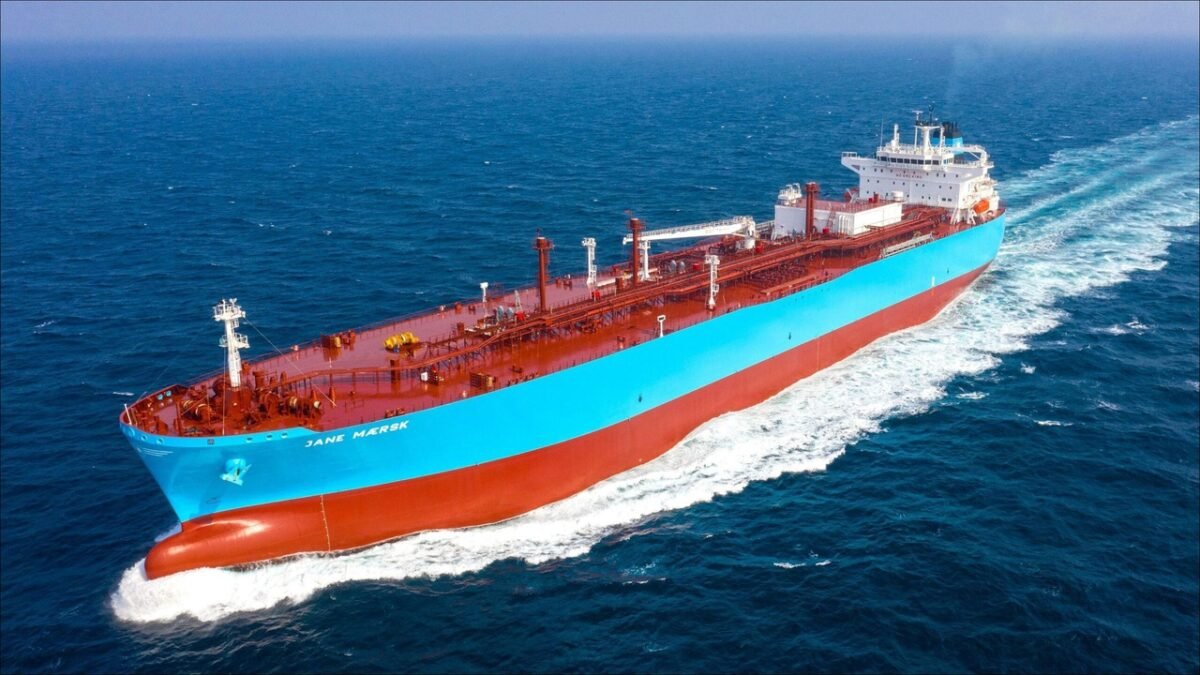
HD Hyundai Samho Delivers First VLAC to Maersk | Mariner News
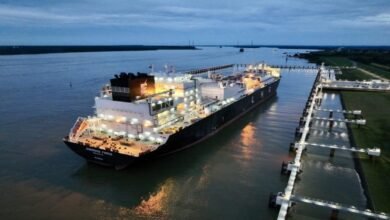
In a significant leap forward for the global shipping industry’s decarbonization efforts, South Korean shipbuilder HD Hyundai Samho has successfully completed the VLAC delivery of its inaugural very large ammonia carrier (VLAC), the ‘Jane Maersk,’ to the Danish shipping giant, Maersk. This monumental handover not only signals a pivotal moment for Maersk’s ambitious sustainability goals but also underscores HD Hyundai Samho’s growing prowess in engineering advanced vessels designed for the future of maritime logistics. The 93,000-cubic-metre capacity vessel is the first in a series of ten sophisticated VLACs slated for delivery to Maersk by September 2028, setting a new benchmark for transporting clean energy fuels. This landmark delivery positions both companies at the forefront of the industry’s transition towards greener shipping solutions, utilizing ammonia as a vital future marine fuel and cargo. The ‘Jane Maersk’ embodies cutting-edge technology tailored for the unique challenges of ammonia transport, promising a safer and more efficient operational standard.
A New Era in Green Maritime Transport: Maersk’s Ammonia VLAC Fleet
The arrival of the ‘Jane Maersk’ marks a critical milestone for Maersk’s unwavering commitment to achieving net-zero emissions by 2040. As the shipping sector grapples with increasing pressure to reduce its carbon footprint, ammonia has emerged as a promising alternative marine fuel due to its zero-carbon properties. Maersk’s strategic investment in a fleet of very large ammonia carriers demonstrates a clear vision for an ammonia-powered future, supporting the logistics of this crucial energy transition. These specialized vessels are not merely carriers; they are integral components of a new global infrastructure required to supply the burgeoning demand for low-carbon fuels. The introduction of these advanced ammonia carriers reflects a broader industry movement towards diversification of fuel sources, moving away from conventional heavy fuel oil. By spearheading the adoption of such innovative shipping solutions, Maersk aims to solidify its leadership in sustainable maritime practices, showcasing that commercial viability can align with environmental responsibility. This first VLAC delivery is a tangible step towards a greener supply chain, offering a glimpse into the operational realities of future sustainable shipping.
The strategic importance of these vessels extends beyond Maersk’s direct operations. They represent a significant push in the maritime industry’s collective journey towards decarbonization. The ability to transport large volumes of liquefied ammonia safely and efficiently is paramount to establishing robust green energy corridors. As global energy demands shift, the infrastructure for transporting cleaner fuels like ammonia must evolve in parallel. Maersk’s investment in these VLACs will facilitate the widespread availability of ammonia, enabling more vessels to transition to this cleaner fuel. This forward-thinking approach by one of the world’s largest container shipping companies sends a strong signal to the entire maritime ecosystem, encouraging further innovation and investment in sustainable technologies. The ‘Jane Maersk’ is not just a vessel; it is a symbol of the industry’s dedication to forging a more environmentally conscious path.
‘Jane Maersk’: Pioneering Ammonia and LPG Carrier Technology
The ‘Jane Maersk’ stands as a testament to advanced engineering and specialized design tailored for the complex transport of liquefied gases. Measuring an impressive 221 meters in length, 36.5 meters in width, and 23.6 meters in height, this colossal vessel is engineered for versatility, capable of transporting both liquefied ammonia and liquefied petroleum gas (LPG). This dual-fuel capability is a crucial feature, offering operational flexibility while the ammonia fuel infrastructure continues to develop. The design intricacies required to handle ammonia, which possesses a higher specific gravity than LPG along with corrosive and toxic properties, are particularly noteworthy. HD Hyundai Samho has meticulously integrated specialized hull structures, robust cargo handling systems, and an advanced high-level alarm system specifically designed to respond during ammonia loading operations. These safety enhancements are paramount to ensuring the secure and efficient transport of such volatile cargoes.
Beyond its impressive dimensions and cargo capacity, the ‘Jane Maersk’ incorporates a suite of technological innovations aimed at minimizing operational burden and significantly reducing the risk of misloading incidents. The specialized cargo tanks and piping systems are constructed from materials resistant to ammonia’s corrosive nature, ensuring the vessel’s longevity and structural integrity. Furthermore, the advanced monitoring and control systems provide real-time data to the crew, allowing for precise management of cargo conditions. This meticulous approach to design and safety underscores the critical importance of human and technological safeguards when dealing with potentially hazardous materials like ammonia. The vessel’s capabilities not only ensure compliance with stringent international maritime regulations but also set new standards for safety and efficiency in the ammonia shipping segment. This ship represents a significant leap in the evolution of gas carrier technology, proving that complex environmental challenges can be met with innovative and reliable engineering solutions.
HD Hyundai Samho’s Leadership in Advanced Shipbuilding and Order Milestones
HD Hyundai Samho, a prominent South Korean shipbuilder, has unequivocally cemented its position as a global leader in the construction of sophisticated and future-ready vessels. The successful VLAC delivery of the ‘Jane Maersk’ to Maersk is a shining example of the company’s engineering prowess and commitment to innovation. This delivery is part of a larger, ambitious order comprising ten very large ammonia carriers, a project that highlights the shipbuilder’s significant role in shaping the future of global maritime transport. The company’s expertise extends beyond just VLACs, encompassing a diverse portfolio of advanced vessel types critical to global trade and energy transitions. Their consistent ability to meet demanding specifications and deliver cutting-edge ships makes them a preferred partner for leading shipping lines worldwide. This reputation is built on a foundation of advanced manufacturing capabilities, rigorous quality control, and a relentless pursuit of technological excellence, solidifying their standing in the highly competitive shipbuilding industry.
HD Hyundai Samho’s impressive order book for the current year further underscores its robust market position and dynamic growth. The shipbuilder has successfully secured orders for 30 vessels, cumulatively valued at an astounding $4.08 billion. This achievement represents a remarkable 83.2 percent of its annual order target of $4.9 billion, demonstrating exceptional performance and market confidence in their capabilities. The diverse range of orders includes five tankers, eleven very large gas carriers, five LNG carriers, and nine very large ammonia carriers, showcasing their versatility and adaptability to evolving market demands. This broad spectrum of projects highlights HD Hyundai Samho’s comprehensive expertise across various segments of the shipping industry, from conventional tankers to highly specialized gas and ammonia carriers. Their ability to consistently secure significant contracts reflects not only their competitive pricing but also their unparalleled technological know-how and their commitment to delivering vessels that meet the highest standards of efficiency, safety, and environmental performance. These achievements are a testament to HD Hyundai Samho’s strategic vision and operational excellence, propelling them to the forefront of the global shipbuilding landscape and reinforcing South Korea’s reputation for maritime innovation.
Ammonia as a Sustainable Marine Fuel: Challenges and Opportunities
Ammonia’s potential as a sustainable marine fuel is a subject of intense discussion and investment within the maritime industry. Its primary advantage lies in its zero-carbon combustion, offering a direct pathway to significantly reduce greenhouse gas emissions from shipping operations. However, transitioning to ammonia as a widespread marine fuel presents several formidable challenges that the industry must address. These include the toxic nature of ammonia, necessitating stringent safety protocols and specialized handling equipment, as exemplified by the design of the ‘Jane Maersk’. Furthermore, the production of green ammonia, derived from renewable energy sources, is still in its nascent stages and requires substantial scaling up to meet future demand. Infrastructure for bunkering and storing ammonia at ports worldwide also needs significant development. Despite these hurdles, the opportunities presented by ammonia are compelling. Its relative ease of liquefaction compared to hydrogen, coupled with established production processes (albeit mostly for fertilizer), makes it an attractive contender for decarbonizing global maritime shipping.
The development and deployment of VLACs like the ‘Jane Maersk’ are crucial steps in building the necessary infrastructure for an ammonia-powered future. These vessels will play a critical role in transporting green ammonia from production hubs to demand centers, thereby enabling the broader adoption of this fuel. Industry stakeholders, including shipbuilders, engine manufacturers, port authorities, and regulatory bodies, are actively collaborating to overcome the challenges. Research and development efforts are focused on improving ammonia engine efficiency, enhancing safety features for onboard handling, and establishing comprehensive regulatory frameworks. The transition will require significant capital investment, technological innovation, and international cooperation to create a seamless and safe ammonia value chain. As the industry moves towards cleaner energy sources, VLACs and other specialized gas carriers will be instrumental in bridging the gap between ammonia production and its widespread use as a fuel, driving the ambitious goals of global maritime decarbonization.
Driving Global Maritime Decarbonization: The Impact of VLAC Deliveries
The VLAC delivery of the ‘Jane Maersk’ by HD Hyundai Samho to Maersk represents more than just the transfer of a highly advanced ship; it symbolizes a profound commitment to driving global maritime decarbonization. This event is a powerful demonstration of how collaboration between leading shipbuilders and shipping lines can accelerate the transition to sustainable operations. The introduction of these specialized ammonia carriers is vital for establishing robust supply chains for green fuels, a prerequisite for the entire industry to meet its ambitious emission reduction targets. Maersk’s proactive investment in a fleet of ten such vessels underscores its leadership role in environmental stewardship and its vision for a future where global trade is conducted with minimal ecological impact. This strategic move is poised to inspire other maritime players to similarly embrace innovative technologies and cleaner fuel alternatives, fostering a ripple effect across the sector.
The long-term impact of such deliveries will be felt across the entire maritime ecosystem. From shaping future vessel design standards to influencing regulatory policies and encouraging investment in green infrastructure, these VLACs are catalysts for change. They highlight the feasibility and commercial viability of transporting challenging but environmentally critical fuels. As more of these vessels enter service, the learning curve for operating and managing ammonia-fueled ships will accelerate, further refining best practices and enhancing safety. This momentum is critical for the shipping industry to meet the increasingly stringent environmental regulations and consumer demands for sustainable logistics. The partnership between HD Hyundai Samho and Maersk is a testament to what can be achieved when innovation meets determination, paving the way for a truly sustainable future in global maritime shipping. This foundational step is not just about a single ship; it’s about charting a new course for an entire industry committed to a cleaner, greener tomorrow.