Capital Gas Takes Delivery of LPG Dual-Fuel Ship | Mariner News
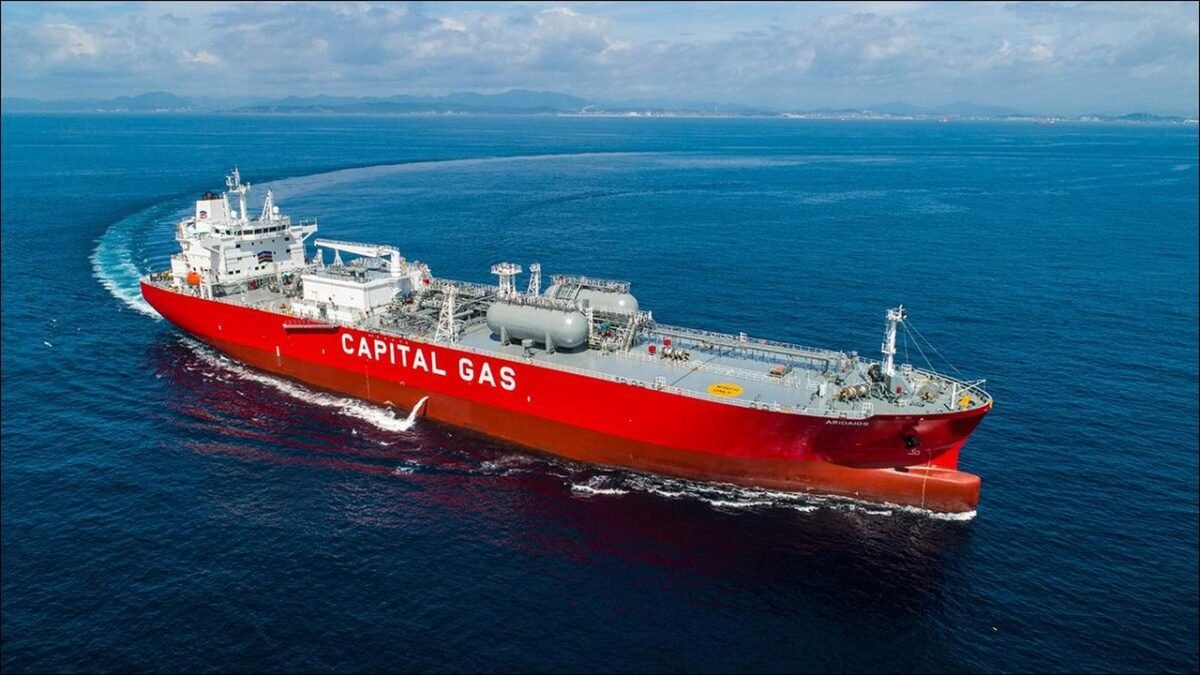
Capital Gas Ship Management proudly announces a pivotal moment in its journey towards sustainable maritime operations: the delivery of its latest LPG dual-fuel ship, the MGC Aridaios. This significant addition not only expands the company’s modern fleet of advanced gas carriers but also powerfully underscores its unwavering commitment to environmental stewardship and innovative shipping solutions. The arrival of the MGC Aridaios marks a tangible step forward in reducing the maritime industry’s carbon footprint, setting a new benchmark for eco-friendly vessel operations.
Advancing Sustainable Maritime Transport with LPG Dual-Fuel Technology
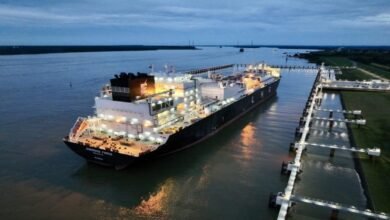
The MGC Aridaios, a state-of-the-art 45,000 cubic meter medium-sized gas carrier, represents a significant leap in marine engineering and environmental design. Constructed by the renowned HD Hyundai Mipo in South Korea, this vessel was officially delivered on Wednesday, a momentous occasion highlighted by the firm’s announcement on LinkedIn. Equipped with advanced LPG dual-fuel engines, the MGC Aridaios offers unparalleled operational flexibility, capable of running efficiently on either liquefied petroleum gas (LPG) or conventional marine fuels. This inherent versatility is a cornerstone of its design, providing substantial advantages in both fuel management strategies and achieving stringent environmental compliance across diverse global shipping routes.
The environmental benefits of utilizing LPG as a marine fuel are profound and far-reaching. The combustion of LPG results in a dramatic reduction of harmful emissions, virtually eliminating sulfur oxide (SOx) and particulate matter. Nitrogen oxide (NOx) emissions are also substantially lower compared to traditional heavy fuel oil, enabling vessels like the MGC Aridaios to comfortably meet the rigorous IMO Tier III regulations. Beyond these immediate pollutants, LPG offers a significant reduction in greenhouse gas emissions, particularly carbon dioxide (CO2), providing a clear and accessible pathway towards the decarbonization goals of the shipping industry. This cleaner energy source positions LPG as a powerful tool in mitigating climate change impacts and improving local air quality in port areas.
While Liquefied Natural Gas (LNG) has garnered more widespread adoption as an alternative marine fuel in recent years, LPG presents unique and compelling advantages, especially pertinent to gas carriers. Its inherent compatibility with the cargo often simplifies bunkering infrastructure and operational protocols, fostering significant synergies. The lower capital expenditure typically associated with LPG fuel systems, combined with a relatively mature global supply chain for certain trade corridors, positions LPG as a highly compelling option. The strategic choice of fuel, however, is invariably shaped by vessel type, specific trade routes, and ambitious environmental targets, with LPG shining brightly as a preferred and pragmatic solution within the specialized gas carrier segment.
Adopting LPG dual-fuel ships like the MGC Aridaios is a proactive and strategic move that aligns perfectly with global sustainability goals. The maritime sector is under increasing pressure to drastically reduce its environmental footprint, and these pioneering vessels offer a viable response. This commitment allows shipping companies to navigate the complex and evolving landscape of environmental regulations with greater ease, maintain a robust competitive edge in a discerning market, and contribute positively to global ecological health. This forward-thinking approach is not just commendable; it is absolutely crucial for ensuring long-term viability and resilience within a rapidly transforming global shipping industry.
Capital Gas Ship Management’s Commitment to a Green Fleet
The integration of the MGC Aridaios into Capital Gas Ship Management’s fleet is not an isolated event but a deliberate and strategic component of the Greece-based company’s comprehensive fleet renewal and expansion program. Capital Gas consistently emphasizes its philosophy of investing in cutting-edge, energy-efficient, and supremely environmentally friendly vessels. This visionary approach clearly articulates a strategic intent to solidify its position as a leader in sustainable maritime transport, all while upholding its steadfast commitment to operational excellence. By seamlessly integrating state-of-the-art technology, Capital Gas aims to not only enhance its service offerings but also significantly minimize its overall ecological impact.
A notable aspect of this latest delivery is that the MGC Aridaios stands as the sister vessel to the MGC Aristogenis, which proudly joined Capital Gas’s managed fleet in June 2026. This deliberate standardization across these advanced LPG fuel vessels brings about considerable operational advantages. It streamlines maintenance procedures, optimizes spare parts management, and facilitates highly efficient crew training, thereby creating substantial efficiencies throughout the entire fleet. Such homogeneity in design for these next-generation gas carriers not only mitigates operational complexities but also ensures consistent high standards of performance and reliability across their sophisticated gas carrier operations. The synergy between these two pioneering vessels exemplifies a meticulously crafted strategy for fleet robustness and seamless operational execution.
Capital Gas is strategically positioning itself at the vanguard of the maritime industry’s ongoing green transition. Through its consistent and substantial investment in LPG dual-fuel technology, the company demonstrates a tangible commitment that extends far beyond mere regulatory compliance. These proactive actions serve as a powerful and inspiring example for other shipping companies currently contemplating their own complex decarbonization pathways. This leadership role is critically important in fostering broader industry adoption of cleaner marine technologies and alternative fuels, thereby accelerating the collective shift towards a more sustainable and environmentally responsible global maritime industry.
Underpinning Capital Gas’s ambitious strategy is the burgeoning market demand for increasingly cleaner shipping solutions. This demand emanates from a diverse array of stakeholders, including environmentally conscious charterers, socially responsible financiers, and increasingly stringent global regulators. Vessels that are equipped with such advanced environmental technologies, like the MGC Aridaios, are increasingly commanding a premium in the competitive shipping market, which in turn ensures higher utilization rates and potentially superior returns on investment. The overarching long-term trend unequivocally points towards a pronounced preference for vessels that demonstrate superior environmental performance, thereby making these new deliveries a critical and strategically advantageous investment for Capital Gas’s future market positioning and enduring success.
The Evolving Role of Gas Carriers in Energy Transition
Gas carriers inherently transport various liquefied gases, positioning them uniquely to embrace LPG as a primary marine fuel. Their specialized expertise in the handling of cryogenic and pressurized gases, coupled with existing onboard infrastructure designed for cargo containment, creates a natural and powerful synergy for utilizing LPG as bunker fuel. This direct and inherent compatibility significantly reduces the complexity and the associated costs often involved in integrating entirely new fuel systems, thereby providing gas carriers with a distinct head start in the competitive race for alternative fuel adoption. This intrinsic alignment makes the transition to LPG dual-fuel ships a logical and highly efficient progression for this segment of the shipping industry.
The broader maritime industry is actively exploring a multitude of decarbonization pathways, which include, but are not limited to, Liquefied Natural Gas (LNG), methanol, ammonia, hydrogen, and various biofuels. While LPG currently occupies a niche, it offers a proven, accessible, and pragmatic path for specific shipping segments, particularly gas carriers. The International Maritime Organization (IMO) has laid out ambitious targets for the reduction of greenhouse gas emissions, necessitating substantial and sustained investments in novel marine technologies and cleaner fuels. Gas carriers that are proactively adopting LPG dual-fuel solutions are directly contributing to these critical global efforts, thereby demonstrating a practical and actionable approach to meeting rigorous regulatory demands.
One of the most significant challenges hindering the widespread adoption of any alternative fuel is the crucial development of robust and expansive bunkering infrastructure. While dedicated LPG bunkering facilities are not yet as ubiquitous as those for conventional fuels, the existing global trade and distribution networks for LPG already provide a solid and reliable foundation. As more LPG dual-fuel ships like the MGC Aridaios enter into service, the escalating demand for bunkering facilities will naturally spur further investment in infrastructure development at key strategic ports and major trading hubs worldwide. This continuously evolving and expanding ecosystem is absolutely critical for effectively scaling up the use of cleaner, more sustainable marine fuels.
International regulations, such as the IMO 2020 sulfur cap, the Energy Efficiency Existing Ship Index (EEXI), and the Carbon Intensity Indicator (CII), are continuously intensifying the pressure on the shipping industry to transition towards cleaner and more efficient operations. Vessels like the MGC Aridaios are meticulously designed not only to meet but often to exceed these demanding standards, offering forward-looking, future-proof solutions for regulatory compliance. The inherent ability of these vessels to seamlessly switch between LPG and conventional fuels also provides invaluable flexibility in navigating the complexities of future regulatory changes and adapting to dynamic market conditions related to fuel availability and pricing volatility.
Operational Excellence and Economic Benefits of Dual-Fuel Vessels
A core and undeniable advantage of LPG dual-fuel ships is the inherent and powerful flexibility they offer in fuel choice. Operators gain the strategic ability to switch seamlessly between LPG and traditional marine fuels, optimizing their operations based on factors such as fuel availability, prevailing price differentials, and specific environmental regulations pertinent to particular operational areas. This robust fuel optionality provides a crucial layer of energy security, effectively mitigating the risks typically associated with single-fuel dependency and navigating unpredictable market volatility. Ultimately, this empowers Capital Gas to strategically optimize its operational costs while simultaneously upholding its stringent environmental standards and corporate responsibilities.
While the initial capital expenditure required for advanced dual-fuel vessels might be somewhat higher than conventional ships, the long-term operational savings and significantly enhanced marketability often provide compelling justification for the investment. Reduced fuel consumption, attributable to optimized engine performance, lower emissions-related penalties, and potentially preferential port fees extended to environmentally friendly ships, all contribute substantially to a strong and attractive return on investment. Furthermore, the proactive ability to meet future emission targets significantly reduces the risk of costly retrofits or severe non-compliance penalties further down the line, establishing a truly sustainable business model.
Modern dual-fuel engines are meticulously engineered for paramount efficiency and unwavering reliability. The sophisticated integration of advanced engine control systems ensures seamless and instantaneous transitions between different fuel types, coupled with precisely optimized combustion processes, which ultimately leads to vastly improved overall vessel performance. This high level of technological sophistication not only profoundly enhances operational safety across the board but also remarkably extends the service lifespan of critical engine components. This directly contributes to lower maintenance costs, maximizing uptime, and ensuring greater operational availability for these highly sophisticated gas carriers, reinforcing their reputation for operational excellence.
Operating such advanced dual-fuel vessels necessitates highly specialized crew training and profound expertise. Capital Gas’s significant investment in these cutting-edge ships inherently implies a deep-seated commitment to developing its human capital, ensuring that its maritime professionals are exceptionally well-versed in the intricate complexities of these innovative propulsion systems. This unwavering focus on cultivating a highly skilled and knowledgeable workforce further augments operational safety, boosts efficiency, and underpins the successful and reliable deployment of their increasingly cutting-edge fleet, securing a strong foundation for future growth and sustained performance.
Conclusion
The recent delivery of the MGC Aridaios to Capital Gas Ship Management transcends the simple addition of another vessel to a fleet; it unequivocally signifies a robust and resolute step forward in the global maritime industry’s collective journey towards achieving unparalleled sustainability. This pioneering LPG dual-fuel ship, operating in harmony with its sister vessel, vividly embodies Capital Gas’s strategic and forward-thinking vision for a cleaner, considerably more efficient, and undeniably future-ready shipping future. As the maritime industry continues to navigate an increasingly complex landscape of stringent environmental mandates and relentlessly seeks innovative, actionable solutions, the proactive adoption of clean-burning fuels like LPG on advanced gas carriers offers an exceptionally compelling and viable blueprint. Leading companies such as Capital Gas are not merely adapting to the monumental shifts; they are actively and deliberately shaping the very future of sustainable shipping, steadfastly ensuring both enduring economic viability and profound environmental stewardship for many years to come.