US Crude Oil Tanker Exports Soar to New Record | Mariner News
Recent data reveals that US dirty oil exports by tanker have reached an unprecedented record high, marking a pivotal moment in the nation’s energy landscape. This surge in crude oil shipments underscores significant shifts in global energy markets and the dynamic role of the shipping industry. The term “dirty oil” typically refers to unrefined crude oil, distinguishing it from refined petroleum products. This latest milestone solidifies the United States’ growing influence as a major global energy supplier, with far-reaching implications for international trade, energy security, and environmental policies. Understanding the drivers behind this monumental increase and its multifaceted consequences is crucial for anyone monitoring the intricate currents of the maritime and energy sectors.
The Surge in US Crude Oil Shipments
The dramatic increase in US crude oil exports can be attributed to a confluence of factors, primarily stemming from the shale revolution and strategic shifts in energy policy. Over the past decade, advancements in hydraulic fracturing and horizontal drilling have unlocked vast reserves of unconventional oil, significantly boosting domestic production. This domestic abundance, combined with the lifting of the decades-old crude oil export ban in late 2015, paved the way for American producers to directly access international markets, transforming the US from a net importer to a significant exporter of crude petroleum.
Global demand plays a crucial role in sustaining these record-high export volumes. Post-pandemic economic recoveries, coupled with geopolitical events impacting traditional supply routes and production capacities, have heightened the need for reliable crude oil sources. European nations, in particular, have diversified their energy imports following recent conflicts, turning to the United States as a stable and increasingly vital supplier. This shift in buyer preference has provided a robust market for American crude, stimulating further export growth and bolstering the nation’s position in the global energy trade.
Moreover, the competitive pricing of certain US crude grades, such as West Texas Intermediate (WTI), has made them attractive options for international refiners. This competitiveness, alongside the logistical capacity to efficiently load and transport large quantities of oil, has cemented the US’s role. The market dynamics demonstrate a clear alignment of increased domestic supply, robust international demand, and favorable economic conditions, all contributing to the consistent climb in tanker-borne dirty oil exports.
Navigating Global Energy Markets
The continuous rise in US crude oil exports has profound implications for global energy markets. It introduces greater supply diversity, potentially mitigating the impact of disruptions in other major producing regions and contributing to overall energy security for importing nations. The increased availability of US crude can influence international benchmark prices, offering an alternative to traditional sources and fostering a more competitive market environment. This dynamic shifts the balance of power within the global oil landscape, challenging the long-held dominance of organizations like OPEC+ and providing consumers with more options.
Geopolitically, the US’s enhanced role as an energy exporter strengthens its strategic partnerships and influence on the world stage. Energy diplomacy becomes a more potent tool, as the availability of American crude can support allies and provide leverage in international relations. The steady flow of US oil shipments helps to stabilize global supply chains, reducing volatility and fostering more predictable market conditions, which is beneficial for economic planning and industrial stability worldwide. This strategic pivot underscores a broader redefinition of energy leadership in the 21st century.
However, this expansion also introduces new complexities. Increased US crude exports could potentially create an oversupplied market if global demand wanes or if other major producers maintain high output levels. This delicate balance between supply and demand constantly influences crude oil prices and refiner margins across the globe. Additionally, the shift in trading patterns and the establishment of new long-distance maritime routes have implications for freight markets and the overall economics of crude oil transportation, continually shaping the landscape of the global energy sector.
The Role of Tankers in Crude Oil Transport
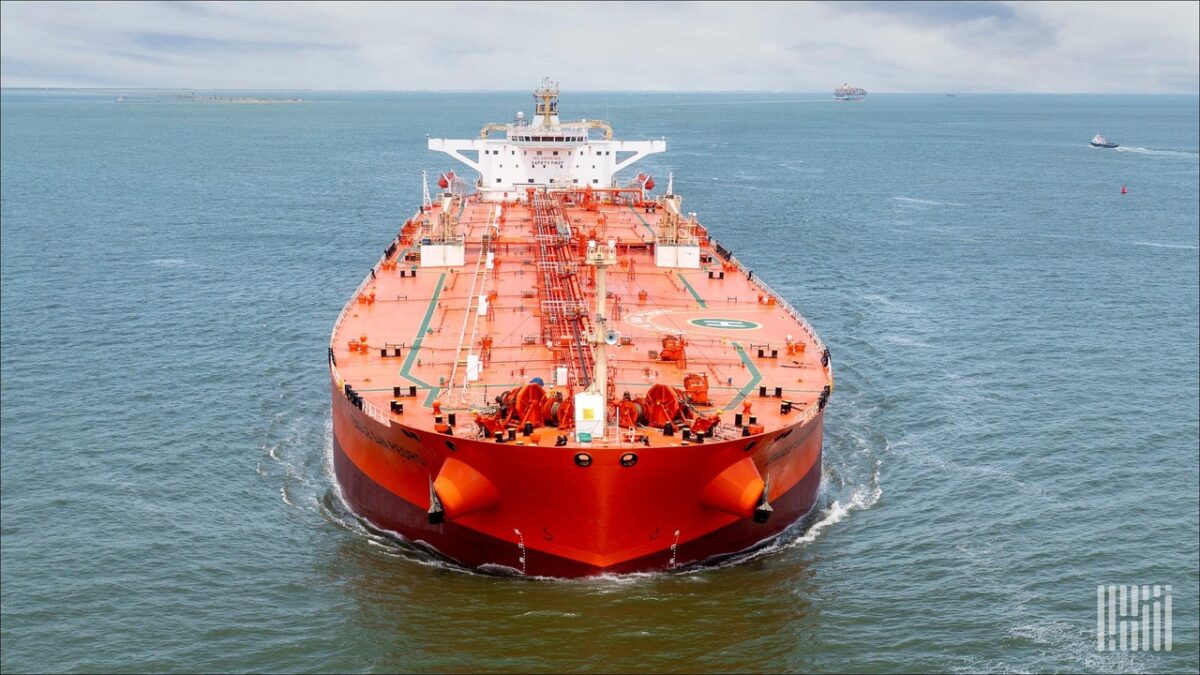
The shipping industry, particularly the tanker segment, is at the forefront of facilitating these record US dirty oil exports. Very Large Crude Carriers (VLCCs), Suezmax, and Aframax tankers are the workhorses of this trade, enabling the efficient and economical transportation of vast quantities of crude oil across oceans. These specialized vessels are designed to handle the unique characteristics of crude petroleum, ensuring safe and secure transit from loading terminals in the Gulf Coast to refineries worldwide. The sheer volume of oil now leaving US ports necessitates a robust and well-maintained global tanker fleet.
The surge in export volumes has had a direct impact on the maritime logistics sector. Port infrastructure along the US Gulf Coast, including deepwater loading terminals and pipeline networks, has undergone significant expansion and modernization to accommodate the increased vessel traffic and crude oil throughput. The efficiency of these logistical hubs is paramount to maintaining the competitive edge of US oil exports. Any bottlenecks or delays in port operations can have ripple effects throughout the supply chain, impacting delivery schedules and freight rates.
Furthermore, the heightened activity in crude oil shipping has implications for freight markets and tanker rates. Increased demand for tankers often leads to higher charter rates, benefiting shipowners and operators. However, this also adds to the overall cost of crude oil, which can be passed on to consumers. The dynamics of the tanker market, including newbuild orders, scrapping activity, and regulatory changes, constantly interact with the volume of crude oil exports, creating a complex interplay that influences the global cost of energy and the profitability of the maritime trade.
Economic Implications and Environmental Concerns
The economic benefits of record US dirty oil exports are substantial. The increased export revenue significantly contributes to the nation’s trade balance, reducing deficits and bolstering the overall economy. This translates into job creation across the energy sector, from exploration and production to transportation and port operations. The ability to monetize abundant domestic oil reserves on the international market provides a powerful economic engine, fostering growth and investment within the United States. This economic boost is a key driver for continuing to maximize export potential.
However, the environmental footprint associated with these fossil fuel exports cannot be overlooked. The extraction, processing, and long-distance maritime transportation of crude oil contribute to greenhouse gas emissions, exacerbating climate change concerns. The potential for oil spills during loading, transit, or unloading, although rare, poses significant risks to marine ecosystems and coastal communities. As global climate goals become more urgent, the debate intensifies around balancing economic gains from petroleum exports with the imperative to transition towards a more sustainable energy future.
Addressing these environmental challenges requires ongoing innovation in shipping technology, stricter regulatory oversight, and a commitment to sustainable practices within the maritime industry. While the economic imperative to export crude remains strong, increasing scrutiny from environmental groups and international bodies demands that industry stakeholders and policymakers actively seek ways to minimize ecological impact. This includes exploring carbon capture technologies, improving vessel efficiency, and investing in renewable energy alternatives to mitigate the long-term consequences of our reliance on crude oil shipments.
Future Outlook for US Oil Exports
The trajectory of US dirty oil exports by tanker will be shaped by a combination of market forces, technological advancements, and evolving energy policies. While current trends indicate continued robust demand for American crude, the long-term outlook is subject to the pace of the global energy transition. As more nations commit to decarbonization and invest in renewable energy sources, the demand for fossil fuels, including crude oil, is expected to gradually decline over several decades. This will necessitate a strategic re-evaluation of US export strategies.
Future energy policies, both domestically and internationally, will play a critical role. Governmental decisions regarding drilling permits, environmental regulations, and trade agreements can either facilitate or constrain export volumes. The push for greater energy independence and security among importing nations may sustain demand for US crude in the near to medium term, but the growing emphasis on sustainability will introduce increasing pressure to diversify away from petroleum. The intricate dance between energy policy and market demand will define the next chapter for American oil exports.
Technological innovation in both oil extraction and transportation will also be key. Continuous improvements in shale production efficiency could further reduce costs, making US crude even more competitive. Simultaneously, advancements in green shipping technologies, such as alternative fuels for tankers and improved vessel designs, could help reduce the environmental impact of crude oil transport. The future of US oil exports is therefore not just about volume, but also about the sustainability and efficiency with which these vital energy resources are brought to the global market, navigating the complexities of a changing energy landscape.
The unprecedented record high in US dirty oil exports by tanker signifies a transformative period for global energy markets and the maritime trade. As the nation continues to navigate its role as a major energy supplier, the interplay of economic drivers, geopolitical forces, and environmental considerations will shape the future trajectory of these vital crude oil shipments. The continued growth in these exports underscores the dynamic nature of the energy sector, demanding constant adaptation and strategic foresight from all stakeholders involved in the intricate global supply chain. This milestone cements the US’s position as a powerful force in international petroleum trade for the foreseeable future, even as the world moves towards a more sustainable energy mix.