Hapag-Lloyd & Seaspan’s First Methanol Vessel Conversion | Mariner News
A New Era for Sustainable Shipping: Hapag-Lloyd and Seaspan Pioneer Methanol Conversion
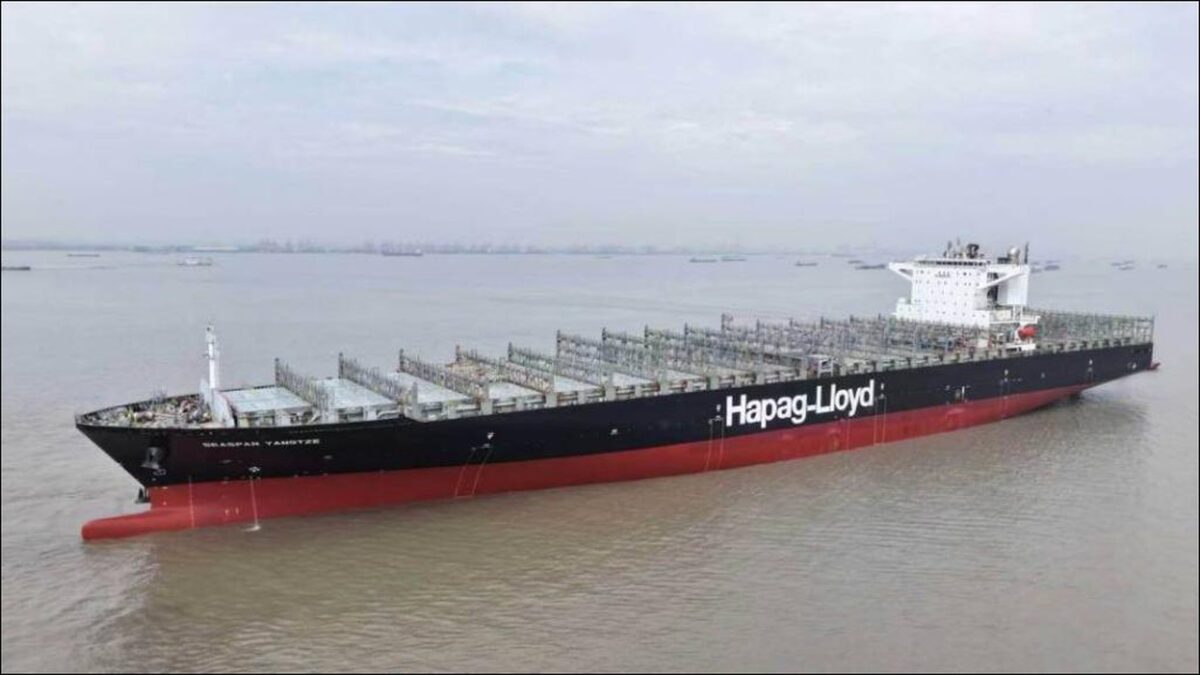
The global maritime industry is witnessing a significant stride towards environmental sustainability as shipping giants Hapag-Lloyd and Seaspan Corporation proudly announce the successful completion of their inaugural joint vessel methanol conversion. This landmark achievement marks a pivotal moment in the industry’s urgent drive to decarbonize global fleets and embrace cleaner marine fuels. The conversion of the 10,100 TEU container ship, Seaspan Yangtze, from a conventional-fuelled engine to a state-of-the-art dual-fuel system capable of operating on methanol, signals a tangible commitment to reducing the ecological footprint of container shipping.
This collaborative effort between a leading container shipping line and a prominent maritime asset owner and manager underscores the collective resolve required to navigate the complexities of green shipping transitions. The successful retrofit is not merely a technical accomplishment but a powerful testament to strategic partnership and innovative engineering, setting a precedent for future fleet decarbonization initiatives across the shipping sector. It represents a concrete step away from fossil fuels and towards a future powered by more environmentally friendly alternatives, positioning both Hapag-Lloyd and Seaspan at the forefront of maritime sustainability.
The project highlights the increasing viability of methanol as a marine fuel and its potential to significantly lower greenhouse gas emissions. As the maritime sector faces mounting pressure from regulators, consumers, and investors to clean up its act, pioneering projects like the Seaspan Yangtze methanol retrofit offer a clear pathway forward. This endeavor contributes to the broader global effort to mitigate climate change, showcasing how established industry players are actively investing in and implementing solutions that support a greener maritime future.
The Seaspan Yangtze Transformation: Engineering a Greener Future
At the heart of this groundbreaking initiative is the Seaspan Yangtze, a formidable 10,100 TEU container vessel now equipped with a sophisticated dual-fuel engine. This advanced engine technology allows the ship to seamlessly switch between conventional marine fuels and methanol, offering crucial operational flexibility while dramatically reducing its carbon intensity. The successful execution of this complex vessel retrofit project was a collaborative triumph, involving not only Hapag-Lloyd and Seaspan but also specialized partners like engine manufacturer Everllence, whose expertise was instrumental in realizing this engineering feat.
The meticulous process of transforming the Seaspan Yangtze involved extensive planning, precise engineering, and rigorous testing to ensure the highest standards of safety and operational efficiency. The conversion demonstrates the feasibility of adapting existing vessels, a crucial aspect for the industry given the long lifespan of ships. Rather than solely relying on newbuilds, retrofitting existing tonnage offers a faster, more economical, and practical route to accelerate the decarbonization of the global fleet, leveraging current assets while progressively integrating alternative marine fuels.
This inaugural conversion is just the beginning of an ambitious joint methanol retrofit programme. The Seaspan Yangtze is the first of five charter ships slated for conversion under this innovative program, which also includes the vessels Seaspan Amazon, Seaspan Ganges, Seaspan Thames, and Seaspan Zambezi. The sheer scale of this program, involving multiple large container ships, underscores the long-term vision and significant investment being poured into green shipping technology by both Hapag-Lloyd and Seaspan, reinforcing their commitment to a sustainable maritime future.
Paving the Way for Decarbonized Shipping: Investment and Vision
The total investment for these five critical vessel retrofits is estimated at a substantial $120 million, a clear indication of the significant financial commitment required and the profound belief in the environmental and strategic returns of this initiative. This considerable investment reflects the urgency and scale of the transformation needed within the global shipping industry to meet ambitious decarbonization targets. For companies like Hapag-Lloyd, these investments are not just about compliance but about shaping a competitive and sustainable business model for decades to come.
Silke Lehmköster, Managing Director Fleet at Hapag-Lloyd, emphasized the strategic importance of this approach, stating, “Retrofitting existing vessels is an important lever on our way to decarbonize our fleet operations by 2045.” This statement articulates a clear roadmap for fleet decarbonization, highlighting that modernization of current assets, alongside the integration of new, cleaner vessels, forms a cornerstone of their long-term environmental strategy. This forward-thinking approach positions Hapag-Lloyd as a leader in adopting sustainable maritime practices.
This proactive investment in low-carbon methanol technology not only aligns with global environmental imperatives but also provides a competitive edge in a market increasingly valuing eco-friendly operations. As environmental regulations tighten and customer demand for sustainable logistics solutions grows, companies that invest early in green vessel technology will be better positioned to attract and retain business. The $120 million commitment signals a strategic move to future-proof their operations and maintain leadership in an evolving shipping landscape.
Environmental Impact and Future Prospects of Green Fuels
The environmental benefits projected from these methanol conversions are substantial and far-reaching. According to Hapag-Lloyd and Seaspan, each methanol-powered vessel could reduce CO2e emissions by approximately 30,000 to 50,000 metric tons annually when operating on low-carbon methanol. To put this into perspective, for the five vessels undergoing conversion, this translates to a potential reduction of 150,000 to 250,000 metric tons of CO2e emissions per year, a truly impactful contribution to mitigating global climate change. This significant reduction capability underscores the transformative potential of alternative marine fuels.
Beyond the immediate emission reductions, these vessel retrofits offer additional strategic advantages. The conversion to dual-fuel capability extends the operational life of the vessels, providing a sustainable pathway for existing assets in a rapidly changing regulatory environment. Furthermore, increasing fuel flexibility is a critical component of future-proofing operations. As the availability and pricing of various green fuels evolve, having vessels capable of utilizing multiple fuel types offers resilience and adaptability, minimizing risks associated with reliance on a single fuel source.
The long-term prospects for methanol as a marine fuel are bright. It is gaining traction due to its liquid state at ambient temperatures, making it easier to store and handle compared to other alternative fuels like ammonia or hydrogen. Its production pathways, including bio-methanol and e-methanol derived from renewable energy, offer a credible route to truly net-zero shipping. As infrastructure for green methanol bunkering expands globally, projects like the Seaspan Yangtze conversion pave the way for wider adoption and a more rapid transition towards a fully decarbonized shipping industry.
Challenges and Innovations in Marine Retrofits
The process of marine engine conversion for existing vessels presents unique technical and logistical challenges compared to building new ships designed for alternative fuels from the outset. Retrofitting involves intricate integration of new systems into an existing hull, often requiring significant structural modifications and extensive downtime for the vessel. These complexities necessitate a high degree of engineering precision, meticulous planning, and robust project management to ensure successful outcomes and minimize operational disruptions.
Despite these hurdles, the Seaspan Yangtze project exemplifies how innovative solutions and strong collaboration can overcome such obstacles. The involvement of specialized engine manufacturers like Everllence highlights the critical role of technological innovation in driving the green transition in shipping. Their expertise in developing and adapting dual-fuel engine technology is fundamental to enabling such complex vessel conversions and ensuring optimal performance with new fuel types like methanol.
This success story provides valuable lessons and blueprints for future fleet modernization projects. It demonstrates that with sufficient investment, expert partnership, and a clear strategic vision, existing fleets can be effectively transformed to meet future environmental demands. The insights gained from this pioneering methanol conversion will undoubtedly accelerate the learning curve for other shipping companies contemplating similar sustainable shipping solutions, fostering a ripple effect across the global maritime sector.
The Economic and Strategic Advantages of Green Investments
The $120 million investment in these five vessel retrofits is not solely an environmental expenditure; it is also a strategic economic decision. By converting to dual-fuel methanol capability, Hapag-Lloyd and Seaspan are positioning themselves for long-term operational resilience and economic advantage. As carbon pricing mechanisms become more prevalent and stringent, operating low-emission vessels will lead to significant savings in compliance costs. This proactive step helps mitigate future financial risks associated with carbon emissions and provides a hedge against escalating fuel prices for conventional bunkers.
Furthermore, investing in sustainable maritime solutions enhances the brand reputation and competitive standing of both companies. Shippers and cargo owners are increasingly prioritizing carriers with strong environmental credentials. By demonstrably investing in green shipping technology, Hapag-Lloyd and Seaspan can attract environmentally conscious clients, differentiate their services, and strengthen their market position. This commitment to eco-friendly shipping can translate into increased business opportunities and customer loyalty in an increasingly green-conscious global economy.
The extended operational life of converted vessels also represents a significant economic benefit. Rather than prematurely decommissioning older, less efficient ships, methanol conversions allow for the continued use of valuable assets for many more years, maximizing their return on investment. This approach aligns with principles of circular economy, reducing the need for entirely new builds and the associated capital expenditure, while simultaneously driving the decarbonization of existing fleets.
Global Push for Green Shipping Fuels and Policy Support
The successful methanol conversion by Hapag-Lloyd and Seaspan aligns perfectly with the intensifying global push for green shipping fuels and more sustainable maritime operations. International regulatory bodies like the IMO (International Maritime Organization) are setting ambitious targets for greenhouse gas reduction, and regional initiatives, such as the EU’s ‘Fit for 55’ package, are introducing stricter measures for shipping emissions. These policy drivers create a powerful impetus for shipping lines to accelerate their transition to alternative fuels.
Governments and industry consortia worldwide are investing in research, development, and infrastructure for green methanol production and bunkering. This collective effort is critical to scaling up the availability of low-carbon fuels and supporting the wider adoption of technologies like those implemented on the Seaspan Yangtze. The project demonstrates how private sector innovation, when aligned with broader policy objectives and infrastructure development, can significantly accelerate the industry’s journey towards a zero-emission future.
The visibility and success of such projects send a clear signal to the entire shipping ecosystem—from financiers and shipyards to engine manufacturers and fuel suppliers—that sustainable shipping solutions are not just theoretical but are being practically implemented and scaled. This reinforces confidence in the viability of methanol as a marine fuel and encourages further investment and innovation across the value chain, fostering a virtuous cycle of progress towards a cleaner, more sustainable global fleet.
Conclusion: A Defining Moment for Sustainable Maritime Operations
The completion of the first joint vessel methanol conversion by Hapag-Lloyd and Seaspan is more than just a technical success; it is a defining moment for the future of sustainable shipping. The transformation of the Seaspan Yangtze into a dual-fuel, methanol-capable vessel exemplifies the power of strategic partnership, innovative engineering, and a shared vision for a greener maritime industry. This pioneering project not only significantly reduces emissions for one vessel but also lays crucial groundwork for the decarbonization of an entire fleet, inspiring similar initiatives across the global shipping landscape.
As the maritime sector continues its journey towards ambitious environmental targets, the commitment demonstrated by Hapag-Lloyd and Seaspan to invest $120 million in five such vessel retrofits underscores a serious dedication to environmental stewardship and long-term sustainability. This initiative serves as a powerful testament to the industry’s capability to adapt and innovate, showcasing that green shipping is not just an aspiration but a tangible, achievable reality. The future of global trade relies on such bold steps, ensuring that economic prosperity goes hand-in-hand with environmental responsibility. The Seaspan Yangtze now sails as a beacon of progress, charting a course towards a truly sustainable maritime future.