ABB Wins India Electric Tug Propulsion Contract | Mariner News
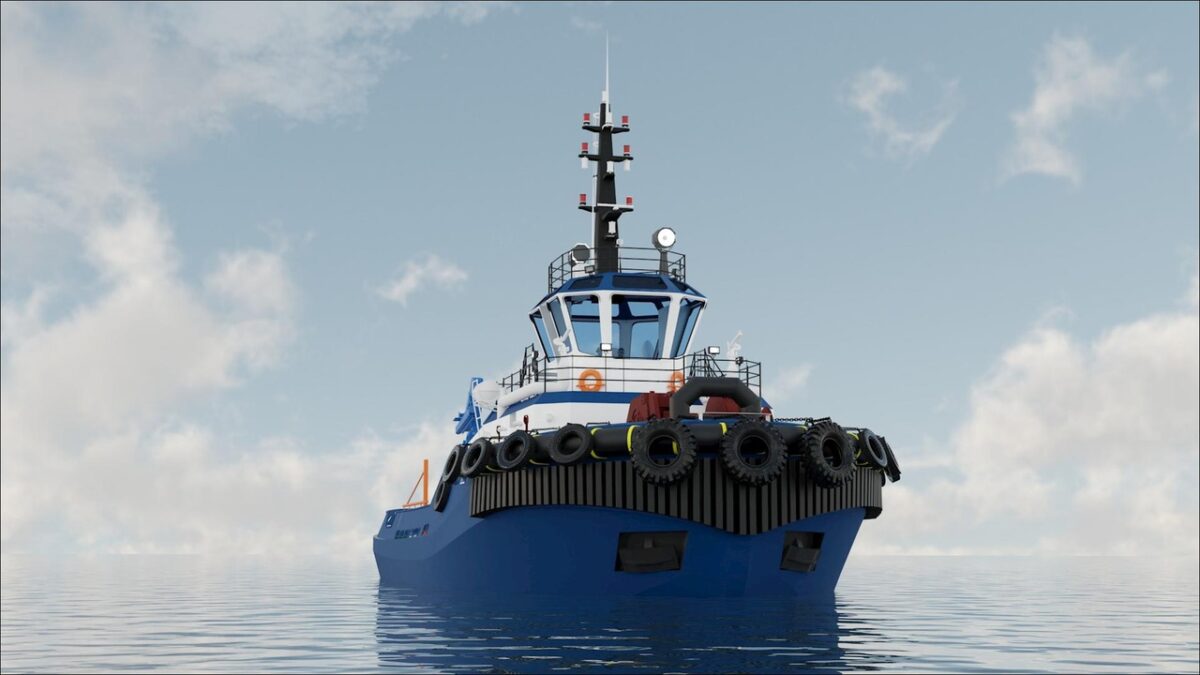
In a significant leap towards decarbonizing the global maritime industry, technology pioneer ABB has been awarded a prestigious electric tug propulsion contract in India. This landmark agreement with India’s Cochin Shipyard marks a crucial step in supporting the nation’s ambitious green tug transition program. The contract involves the supply of cutting-edge power and propulsion systems for two electric harbor tugs, destined to serve Polestar Maritime and operate at the Jawaharlal Nehru Port Authority. This initiative underscores a collective commitment to fostering sustainable shipping solutions and represents a tangible move away from traditional, fossil-fuel-dependent vessels towards a cleaner, more efficient future for port operations.
The global push for environmental responsibility is reshaping industries worldwide, and the maritime sector is no exception. With increasing pressure from regulatory bodies, environmental groups, and public opinion, shipping companies and port authorities are actively seeking innovative ways to reduce their carbon footprint. ABB’s involvement in this project in India positions them at the forefront of this green revolution, demonstrating their capability to deliver advanced marine solutions that meet the stringent demands of modern sustainable operations. This project, slated for the delivery of vessels in 2027, is poised to set a new benchmark for eco-friendly maritime practices in one of the world’s busiest shipping regions.
The contract highlights not only the growing demand for electric vessels but also the confidence placed in ABB’s proven expertise and technological leadership. The collaboration between ABB, Cochin Shipyard, and Polestar Maritime exemplifies how strategic partnerships are essential in driving the adoption of clean energy technologies within the marine domain. As India embarks on its multi-phase program to replace conventional tugs with cleaner alternatives, ABB’s contribution will be instrumental in ensuring the efficiency, reliability, and sustainability of these next-generation harbor vessels. This development is a clear indicator that the future of port logistics is unequivocally electric and environmentally conscious.
India’s Vision for Green Maritime Transformation
India’s commitment to sustainable development is vividly demonstrated through its ambitious green tug transition program. This multi-phase initiative, spanning from 2024 to 2040, aims to systematically replace conventional diesel-powered harbor tugs with cleaner, more environmentally friendly alternatives. The first phase, which includes the two tugs equipped by ABB, targets operations at the Jawaharlal Nehru Port Authority, one of India’s largest container ports. This strategic move is designed to significantly reduce greenhouse gas emissions and improve air quality in and around port areas, contributing to a healthier environment for port communities and marine ecosystems alike.
The vision behind this program extends beyond mere compliance with environmental regulations; it is about establishing India as a leader in green maritime practices. By investing in electric propulsion technology, India is not only addressing its immediate environmental concerns but also positioning itself for long-term sustainability and energy independence in its port operations. The transition to electric tugs offers multiple benefits, including reduced operational noise, lower fuel consumption, and minimal local air pollution, creating a more pleasant and efficient working environment for port personnel.
This progressive program underscores India’s understanding of the critical role ports play in the global supply chain and the necessity of making them more sustainable. The phased approach allows for gradual implementation, learning, and adaptation, ensuring a smooth transition across various ports nationwide. The success of the initial phase at Jawaharlal Nehru Port Authority will serve as a vital blueprint for subsequent phases, inspiring wider adoption of electric vessel technology and further driving the demand for advanced marine electrification solutions across India’s vast coastline.
The long-term impact of this green tug transition program is expected to be profound, not only for India but also as an inspiration for other developing maritime nations. It demonstrates that substantial progress towards decarbonization is achievable with strategic planning, technological investment, and strong partnerships. As the world increasingly focuses on climate action, India’s proactive stance in transforming its port infrastructure sets a powerful example of environmental stewardship and economic foresight.
ABB’s Advanced Electric Propulsion Solutions for Sustainable Operations
At the heart of this transformative project are ABB’s state-of-the-art power and propulsion systems. ABB’s scope of supply for the two electric harbor tugs is comprehensive, encompassing electrical, propulsion, automation, and digitalization systems. A cornerstone of their offering is the pioneering onboard DC grid power platform, which efficiently integrates various power sources, including batteries, and optimizes their use. This advanced system plays a crucial role in maximizing battery life and enhancing the overall operational efficiency of the vessels, ensuring that the electric tugs can perform their demanding duties reliably and sustainably.
Furthermore, ABB will provide its sophisticated power and energy management system (PEMS), which intelligently controls and distributes power throughout the vessel. PEMS ensures that the tugs operate at peak efficiency, managing energy flow between the batteries, generators (if applicable for hybrid configurations, though these are fully electric), and propulsion motors. This intelligent management minimizes energy waste and contributes significantly to the vessel’s environmental performance, making every electron count in its mission for clean port operations.
Beyond just power delivery, ABB’s commitment extends to ensuring the long-term reliability and optimal performance of the vessels. The contract includes the provision of ABB’s remote diagnostic system. This cutting-edge system enables continuous condition monitoring of the equipment, allowing for proactive maintenance and swift troubleshooting. By leveraging real-time data and remote connectivity, potential issues can be identified and addressed before they lead to downtime, thereby improving operational uptime and reducing maintenance costs over the tugs’ lifespan. This holistic approach to marine technology ensures that the electric tugs are not only environmentally friendly but also commercially viable and highly dependable.
ABB’s deep experience in marine electrification solutions positions them as a trusted partner for such critical infrastructure projects. Their proven track record in delivering robust and innovative systems for various vessel types, from cruise ships to ferries and now tugs, speaks volumes about their capability. The technologies provided are not just off-the-shelf components but integrated solutions designed to meet the specific operational profiles and environmental goals of the green tug program, reaffirming ABB’s role as a leader in sustainable marine innovation.
Key Players and Strategic Partnerships Driving the Green Initiative
This pivotal project is a testament to the power of collaboration between key industry players. Cochin Shipyard, India’s largest shipbuilding and repair yard, has been entrusted with the construction of these pioneering electric harbor tugs. Known for its robust infrastructure and expertise in complex shipbuilding projects, Cochin Shipyard’s role is critical in translating advanced designs into operational vessels. Their selection underscores India’s capability to undertake high-tech maritime projects and their commitment to embracing sustainable shipbuilding practices.
Polestar Maritime, the operator for whom these tugs are being built, represents the end-user committed to integrating green technology into their fleet. Their decision to invest in electric tugs for operations at the Jawaharlal Nehru Port Authority signifies a forward-thinking approach to port services, prioritizing environmental responsibility alongside operational excellence. As operators, Polestar Maritime will be at the forefront of demonstrating the practical benefits and efficiencies of electric propulsion in a busy port environment, paving the way for wider adoption across India’s commercial shipping sector.
Shri Jose VJ, Chairman and Managing Director of Cochin Shipyard, eloquently articulated the rationale behind choosing ABB, stating, “ABB’s proven systems and deep experience in this space made them the clear choice.” This endorsement highlights ABB’s reputation for delivering reliable, high-performance marine power and propulsion solutions. The synergy between Cochin Shipyard’s manufacturing prowess, Polestar Maritime’s operational needs, and ABB’s technological leadership forms a formidable partnership, united by a common goal of fostering sustainable maritime transport.
Such strategic alliances are indispensable for accelerating the global transition to clean energy. They bring together specialized knowledge, engineering capabilities, and financial resources required to innovate and implement large-scale sustainable projects. The success of this collaboration between ABB, Cochin Shipyard, and Polestar Maritime will serve as a powerful case study, encouraging more such partnerships across the maritime industry and further propelling the movement towards a greener, more sustainable future for global shipping.
Environmental and Economic Impact of Electric Tugs
Transitioning to electric tugs through initiatives like the ABB-Cochin Shipyard contract promises significant environmental and economic benefits. From an environmental perspective, the most immediate and impactful advantage is the drastic reduction in emissions. Electric tugs produce zero direct exhaust emissions, including nitrogen oxides (NOx), sulfur oxides (SOx), particulate matter (PM), and carbon dioxide (CO2), during operation. This translates to cleaner air in and around bustling port areas, directly improving the health and well-being of port workers and local communities, while also combating climate change by reducing greenhouse gas contributions from the maritime sector.
Beyond air quality, the reduced noise pollution from electric propulsion systems also offers considerable environmental advantages. Traditional diesel tugs can be noisy, impacting marine wildlife and contributing to noise discomfort for humans. Electric tugs operate much more quietly, creating a less disruptive environment for marine life and improving the quality of life for those living or working near ports. This holistic approach to environmental improvement underscores the comprehensive benefits of marine electrification.
Economically, the adoption of electric tugs offers compelling advantages. While the initial capital investment for electric vessels can sometimes be higher, the long-term operational savings are substantial. Electric tugs benefit from significantly lower fuel costs, as electricity is generally more stable in price and often cheaper than marine diesel. Furthermore, electric propulsion systems typically have fewer moving parts than internal combustion engines, leading to reduced maintenance requirements and lower associated costs and downtime. This enhanced operational efficiency and reduced expenditure on fuel and maintenance contribute to a more attractive total cost of ownership over the vessel’s lifespan.
Moreover, the move towards electric vessels aligns with global sustainability targets and may open doors to various green financing options and incentives. Governments and international bodies are increasingly promoting eco-friendly maritime solutions through grants, subsidies, and preferential port tariffs for low-emission vessels. This not only makes the investment in electric tugs more financially viable but also enhances the environmental reputation of operators like Polestar Maritime, providing a competitive edge in an increasingly green-conscious market. The long-term economic resilience and environmental stewardship offered by these electric tugs underscore their value as a cornerstone of modern, sustainable port operations.
The Future of Green Tugs in India and Beyond
ABB’s significant electric tug propulsion contract in India is not merely an isolated project; it represents a powerful harbinger of the future direction for the global maritime industry. The success of India’s green tug transition program, beginning with these vessels at Jawaharlal Nehru Port, will serve as a crucial blueprint for other ports and nations seeking to decarbonize their operations. This initiative is expected to catalyze further investment in sustainable marine technology across India’s extensive coastline, leading to a broader adoption of electric and hybrid vessel solutions in various segments, including ferries, workboats, and even larger commercial vessels.
The implications of this partnership extend far beyond India. As a leading technology provider, ABB’s proven solutions in marine electrification will likely inspire similar projects in other parts of Asia and globally. The demand for zero-emission and low-emission vessels is growing exponentially, driven by stricter environmental regulations, corporate sustainability goals, and the economic benefits of electric propulsion. This contract reinforces ABB’s position as a key enabler of this global transition, demonstrating their ability to deliver robust, scalable, and efficient systems for diverse maritime applications.
Looking ahead, the evolution of battery technology, charging infrastructure, and smart grid solutions will continue to enhance the viability and performance of electric tugs. Innovations in energy storage, such as faster charging capabilities and increased energy density, will further extend operational ranges and reduce turnaround times. The integration of advanced digital solutions, like the remote diagnostic systems provided by ABB, will also become increasingly vital for optimizing performance, predicting maintenance needs, and ensuring the continuous, reliable operation of these sophisticated vessels.
Ultimately, projects like the one in India are foundational to achieving a truly sustainable maritime future. They highlight the necessity of collaboration, technological innovation, and a strong political will to transition away from fossil fuels. The future is clearly electric for port operations, and ABB, alongside its partners in India, is actively shaping this greener, more efficient, and environmentally responsible era for global shipping. This pioneering effort will undoubtedly contribute significantly to a cleaner ocean and a healthier planet for generations to come.