ABS Approves Seatrium Energy Hub for Maritime Transition | Mariner News
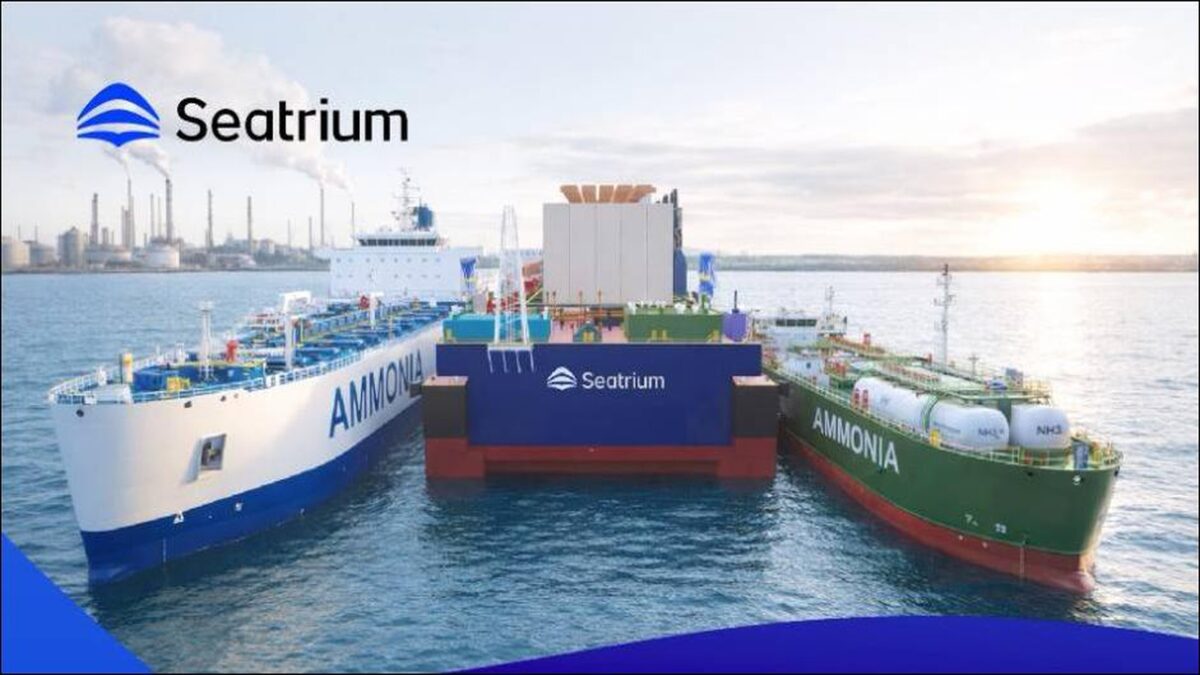
The American Bureau of Shipping (ABS) has formally granted Approval in Principle (AIP) to Seatrium for its groundbreaking NEXTGEN Energy Hub (NGEH) concept, a pivotal development poised to accelerate the maritime industry’s journey towards decarbonization. This significant endorsement of the Seatrium Energy Hub underscores a critical step forward in the quest for sustainable shipping solutions. The innovative design integrates multiple vital functions – specifically ammonia bunkering, power generation, and electric vessel charging capabilities – into a single, comprehensive offshore hub. This holistic approach is not merely a technological advancement but a strategic move designed to support the global shipping sector as it navigates the complex transition to alternative fuels and embraces new, greener energy technologies. The approval from ABS, a leading international classification society, validates the technical viability and safety considerations of this ambitious project, paving the way for its potential realization and widespread impact on the future of marine operations.
Pioneering the NEXTGEN Energy Hub Concept
Seatrium’s NEXTGEN Energy Hub represents a visionary leap in maritime infrastructure, conceptualizing an integrated offshore facility that addresses several key challenges facing the industry today. At its core, the NGEH is designed to streamline the adoption of sustainable practices by providing a centralized solution for crucial energy services. This cutting-edge hub will be capable of generating power, facilitating efficient ammonia loading and bunkering operations, and offering electric charging points for vessels. The consolidation of these disparate yet interconnected functions into a single offshore unit offers unparalleled operational efficiencies and a strategic advantage for ports and shipowners striving to meet stringent environmental regulations and decarbonization targets.
Ammonia, increasingly recognized as a frontrunner among zero-carbon fuel candidates for shipping, presents specific handling and storage challenges. The Seatrium Energy Hub concept directly tackles these by integrating robust ammonia bunkering infrastructure, ensuring safe and reliable delivery to ammonia-powered ships. Furthermore, the inclusion of power generation capabilities within the hub itself enhances energy independence and resilience, while electric vessel charging facilities cater to the growing demand for shore power and battery-electric propulsion systems. This comprehensive design minimizes the logistical complexities typically associated with transitioning to new fuel types and energy sources, making the NGEH an attractive proposition for the maritime sector’s evolving energy landscape.
ABS Approval: A Mark of Trust and Safety
Receiving Approval in Principle from ABS is a testament to the rigorous design and engineering work undertaken by Seatrium. AIP is a critical early-stage validation process where ABS reviews the conceptual design against its comprehensive rules and standards, confirming that the fundamental principles of the design are sound and meet the necessary safety and operational criteria. For a complex, multi-functional system like the NEXTGEN Energy Hub, this approval signifies that the core concept is technically feasible and alignable with established marine and offshore regulations, setting a firm foundation for future detailed engineering and construction phases.
ABS conducted its thorough review of the NGEH concept under its stringent Rules for Building and Classing Offshore Units. Beyond these general requirements, the assessment also incorporated specialized considerations for systems involving ammonia-fuel, a potent substance requiring careful handling. The approval process meticulously examined the safety protocols and design specifications for ammonia storage, transfer, and utilization within the hub. Additionally, the review encompassed requirements pertaining to lithium-ion battery systems, crucial for the electric vessel charging capabilities, and the overall power services infrastructure, ensuring all components meet high standards of reliability and environmental responsibility. This multi-layered validation process by ABS reinforces the confidence in the hub’s potential to operate safely and effectively in diverse marine environments, instilling trust among potential operators and investors in this advanced sustainable shipping solution.
Ammonia’s Role in Maritime Decarbonization
The maritime industry is at a crossroads, facing immense pressure to reduce its carbon footprint and achieve ambitious decarbonization goals. Ammonia has emerged as a particularly promising alternative fuel due to its zero-carbon combustion properties (when produced renewably) and its relatively established global supply chain for industrial uses. The Seatrium Energy Hub explicitly leverages ammonia’s potential by integrating advanced bunkering facilities, directly addressing one of the most significant hurdles to its widespread adoption: the lack of dedicated, robust infrastructure. By providing a secure and efficient means to refuel vessels with ammonia, the NGEH plays a crucial role in bridging the gap between current fossil fuel dependency and a future powered by clean alternatives.
Developing the necessary bunkering infrastructure for ammonia is a monumental undertaking, requiring significant investment and technological innovation. Projects like Seatrium’s NGEH are vital in demonstrating practical, scalable solutions. This hub concept is designed to be a linchpin in the emerging ammonia value chain, providing a critical interface between production, storage, and consumption. Its ability to serve as a versatile energy nexus means it can not only fuel vessels but also contribute to the broader energy needs of port operations or even generate power for grids, showcasing the multifaceted utility of ammonia as an energy carrier. The global focus on ammonia-powered vessels and the accompanying infrastructure development highlights a collective industry commitment to cleaner shipping, with facilities like the NEXTGEN Energy Hub leading the charge in practical implementation.
Driving the Maritime Energy Transition Forward
The ABS-approved Seatrium Energy Hub is more than just a piece of infrastructure; it is a catalyst for the maritime energy transition. By bringing together critical functions for alternative fuels and clean energy technologies, it empowers shipowners and ports to confidently invest in a sustainable future. The hub’s ability to facilitate ammonia bunkering, provide power generation, and offer electric vessel charging creates an integrated ecosystem that supports the diverse energy needs of modern and future fleets. This holistic approach simplifies the complex process of decarbonization, making it more accessible and economically viable for maritime stakeholders.
The benefits of such an integrated hub are extensive. For shipowners, it offers reliable access to crucial alternative fuels and charging services, reducing operational uncertainties associated with new technologies. For ports, it enhances their capacity to serve green vessels, positioning them as leaders in sustainable maritime logistics. Ultimately, the NGEH contributes significantly to reducing greenhouse gas emissions across the shipping value chain, aligning with international climate goals and fostering a healthier planet. This transition is not merely about compliance but about seizing the opportunity to innovate, achieve operational efficiencies, and secure a competitive edge in a rapidly evolving global market. The hub embodies a forward-thinking strategy, promoting the widespread adoption of next-generation maritime technologies and propelling the entire industry towards a cleaner, more resilient operational paradigm.
Strategic Impact and Future Outlook
The strategic implications of the Seatrium Energy Hub extend far beyond its immediate operational capabilities. This pioneering concept positions Seatrium at the forefront of sustainable marine innovation, offering a blueprint for future offshore energy infrastructure. The ABS approval lends significant credibility, suggesting that such integrated hubs could become a standard for supporting the widespread use of alternative marine fuels and electric propulsion systems across major shipping lanes and strategic maritime locations. This initial validation is crucial for attracting further investment and fostering collaboration within the industry to bring these vital projects to fruition, signaling a clear path towards commercial viability and global scalability.
Looking ahead, the successful deployment of the NEXTGEN Energy Hub could serve as a model for similar developments worldwide, accelerating the pace of decarbonization across the global fleet. It underscores the importance of synergistic partnerships between innovators like Seatrium and classification societies like ABS in developing robust, safe, and sustainable solutions. As the maritime sector continues its journey towards a net-zero future, comprehensive, multi-functional infrastructure such as this Seatrium Energy Hub will be indispensable. Its ability to support varied energy needs – from ammonia refueling to electric charging – makes it a versatile and future-proof investment, promising to reshape how the shipping industry powers its operations, significantly reducing its environmental footprint and driving progress toward a truly green maritime economy for generations to come.