Russia Attacks Merchant Ships Near Odesa, Crew Injured | Mariner News
The maritime world is once again on high alert as Russia continues attacks on merchant ships operating in the sensitive waters near Odesa, a critical port city for Ukraine. In the latest harrowing incident, a Turkish-owned general cargo vessel, the Ant, suffered a brutal drone strike that resulted in a significant fire and left two crew injured. This event underscores the escalating dangers for international shipping and maritime security in the Black Sea, transforming what should be routine shipping lanes into perilous zones of conflict. The attack not only caused physical damage and human suffering but also sent ripples of concern through the global maritime trade community, highlighting the precarious nature of operating commercial vessels amidst the ongoing Ukraine war.
Escalating Threats to Black Sea Shipping Lanes
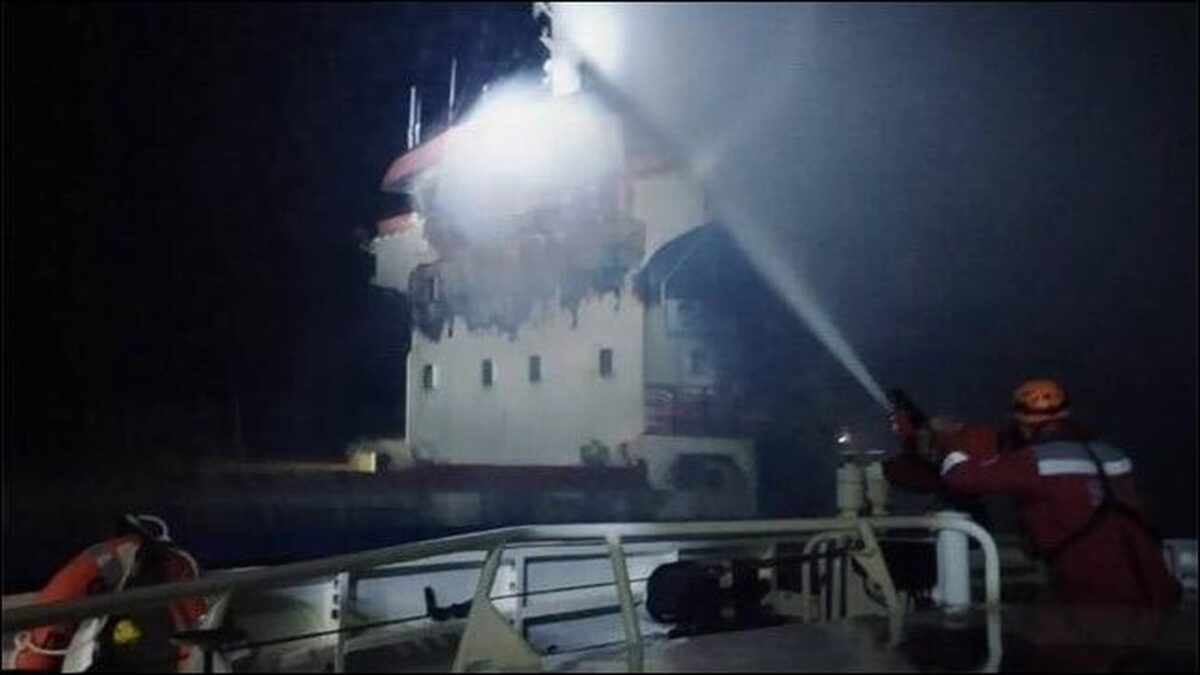
The incident involving the general cargo ship Ant (5,095 dwt), flying the Vanuatu flag and owned by Turkish interests, serves as a stark reminder of the volatile environment in the Black Sea. The vessel had departed the Odesa area and was en route to Turkey, carrying an unspecified dry cargo, when it was struck off the Ukrainian coast overnight on May 28. The drone strike ignited a fierce fire on board, causing extensive damage to the bridge and upper deckhouse. Swift intervention by the Ukrainian Navy was critical; they responded promptly to aid in containing the blaze and facilitating the evacuation of the two crew injured, who were later reported by Turkish authorities to have sustained minor injuries. Turkey’s Consulate General in Odesa closely monitored the care for the affected seafarers.
This assault on the Ant was not an isolated event. Ukrainian Vice Prime Minister Oleksiy Kuleba disclosed that the attack was one of three targeting merchant ships overnight, although specific details on the other two vessels were not immediately provided. The repeated targeting of commercial vessels in these vital shipping lanes by Russia illustrates a deliberate strategy aimed at disrupting Ukraine’s maritime access and exerting economic pressure. This pattern of naval conflict in a historically active trade route has forced maritime operators and insurers to re-evaluate the unprecedented risks associated with transit through the Black Sea.
Interestingly, this isn’t the first time the Ant has faced adversity. Three years prior, the Hellenic Coast Guard came to its aid after the ship was holed in a collision with another cargo vessel in the eastern Aegean near Turkey. This history underscores the inherent risks in maritime operations, now severely compounded by the presence of active warfare. The vessel, built in 2006, has been a regular presence in the Black Sea, making frequent port calls in Ukraine, making it a visible and consistent target in the current geopolitical climate. The continued operation of such vessels is essential for maritime trade but simultaneously places their crews at immense risk.
International Response and Maritime Safety Concerns
The international community’s response to these escalating attacks has been swift, albeit fraught with diplomatic complexities. Turkey’s Ministry of Foreign Affairs, whose nation holds significant stakes in Black Sea stability, promptly issued a statement expressing grave concerns regarding the “risk and threats posed by the recent escalation.” This highlights the intricate balance required to protect national shipping interests while navigating the broader geopolitical landscape of the Ukraine war. The repeated targeting of vessels, regardless of their flag state, threatens to destabilize the entire region and disrupt essential supply chains that rely on these shipping lanes.
Ukraine, despite being a nation at war, showcased its commitment to maritime safety and humanitarian aid through the Ukrainian Navy’s rapid and effective response to the Ant incident. Their efforts in fighting the fire and evacuating the injured seafarers were crucial in preventing further casualties and containing the damage. This proactive stance by Ukraine in providing assistance to affected merchant ships contrasts sharply with the aggressive actions taken against them, underscoring the complexities of humanitarian intervention in a conflict zone. The Ant is now being towed for repairs, a process that will incur significant costs and further delays, impacting the broader efficiency of maritime trade.
These maritime incidents have sent alarm bells ringing across the global shipping industry. Insurance premiums for vessels transiting the Black Sea have soared, and many operators are now reluctant to enter the region, fearing potential attacks. P&I clubs, insurers, and various flag states are continuously reviewing their risk assessments and advising extreme caution. The unprovoked nature of these attacks on neutral commercial vessels raises serious questions about adherence to international maritime law and the principles of freedom of navigation. Calls for immediate de-escalation and the establishment of secure maritime corridors for civilian shipping are growing louder from international bodies and major shipping associations, emphasizing the need for robust protection for all merchant ships.
The Human Cost: Protecting Seafarers in Conflict Zones
The human element of these attacks cannot be overstated. The news of two crew injured aboard the Ant serves as a grim reminder of the immense personal cost of Russia’s attacks on merchant ships. Seafarers, often unsung heroes of global maritime trade, find themselves on the front lines of a conflict they have no part in. Beyond the immediate physical injuries, the psychological trauma endured by maritime personnel operating in these dangerous naval conflict zones is profound. The constant fear of drone strikes, missile attacks, or naval mines creates an environment of extreme stress, impacting their mental health and overall welfare.
This escalating threat underscores the critical need for enhanced maritime safety protocols and robust support systems for seafarers. International maritime organizations, shipowners, and national governments bear a collective responsibility to ensure the safety and well-being of these essential workers. Operating in a conflict zone requires extraordinary measures, and the current situation in the Black Sea highlights a significant gap in protection for commercial vessels and their crews. Discussions about maritime labor rights and the ethical responsibilities of those chartering vessels into high-risk areas are now more urgent than ever, especially in the context of the ongoing humanitarian crisis.
Under international humanitarian law, merchant ships and their crews are generally considered non-combatants and should be afforded protection. However, the consistent targeting of these vessels suggests a disregard for these established norms. Organizations dedicated to seafarer welfare are working tirelessly to provide assistance, counseling, and logistical support to those affected by such incidents. The maritime community must unite to advocate for greater respect for international law and stronger enforcement mechanisms to protect these vital maritime personnel who keep global supply chains moving, often at great personal peril.
Geopolitical Ramifications and Future of Black Sea Trade
The repeated Russia attacks on merchant ships near Odesa carry significant geopolitical implications for regional stability and global maritime trade. Russia’s motivations likely include disrupting Ukraine’s export capabilities, especially for agricultural products, and asserting control over the Black Sea. While the Ant carried dry cargo, similar tactics have previously jeopardized vital grain exports from Ukraine, impacting global food security. The deliberate targeting of commercial vessels serves as a powerful instrument of economic warfare, aiming to cripple Ukraine’s economy and diminish its international trade leverage.
The complex legal and political landscape surrounding these attacks makes accountability challenging. While international law ostensibly protects neutral merchant ships, enforcing these protections in an active conflict zone is incredibly difficult. The absence of effective, internationally guaranteed safe passage corridors or demilitarized zones for shipping means that commercial operators must contend with inherent, life-threatening risks. This situation severely impacts the viability of Black Sea shipping, pushing insurance premiums to prohibitive levels and deterring many maritime operators from entering the region.
Looking ahead, the future of Black Sea trade remains highly uncertain. Unless there is a significant de-escalation of the Ukraine war or a robust international agreement to safeguard shipping lanes, the threats to commercial vessels and seafarers will persist. The long-term economic viability of port cities like Odesa and the stability of global supply chains that depend on Black Sea maritime security hang in the balance. The international community faces a critical challenge to uphold the principles of freedom of navigation and protect the innocent lives involved in maritime trade.
In conclusion, the recent Russia attacks on merchant ships near Odesa, culminating in the Ant incident and two crew injured, represent a perilous escalation in the Black Sea conflict zone. These incidents pose a severe threat to maritime security, international shipping, and the brave seafarers who navigate these treacherous waters. Urgent action, grounded in international law and concerted diplomatic efforts, is imperative to ensure the safe passage of commercial vessels, protect maritime personnel, and restore stability to this crucial region of maritime trade. The global community must remain vigilant and united in condemning these attacks and advocating for the inviolability of merchant ships.