Sallaum Expands Car Carrier Fleet Order to Six Vessels | Mariner News
Sallaum Lines, a prominent player in the global maritime transport sector, has significantly amplified its commitment to the burgeoning vehicle shipping market by expanding its order for car carriers to a potential total of six vessels. This strategic move, unfolding within a remarkably short period, underscores the robust demand and the rapid expansion observed across the car carrier sector globally. Just weeks after an initial order for up to four ships, the company has now added another order for potentially two more advanced Pure Car and Truck Carriers (PCTCs), again partnering with a renowned Chinese shipyard. This swift increase in fleet capacity highlights Sallaum’s aggressive growth strategy and its confidence in the long-term prospects of automotive logistics and maritime vehicle transport.
The decision to expand its fleet comes at a time when the global automotive supply chain is undergoing significant shifts, leading to unprecedented demand for specialized shipping solutions. Sallaum’s enhanced order for these high-capacity car carriers demonstrates a proactive approach to capitalize on these market dynamics, ensuring the company is well-positioned to meet the growing needs of vehicle manufacturers and distributors worldwide. The investment in these newbuilds represents a substantial commitment to fleet modernization and increasing operational capacity, crucial for maintaining competitiveness in a dynamic global shipping environment.
Sallaum’s Strategic Fleet Expansion and Chinese Shipyard Partnership
Sallaum Lines’ decision to place a second, immediate order for two additional car carriers with a Chinese shipyard, following an initial order for four, highlights a calculated and agile business strategy. This rapid succession of orders, reaching a potential total of six vessels, indicates a strong belief in the sustained profitability and necessity of specialized vehicle transport. Chinese shipyards have become increasingly dominant in the global shipbuilding industry, known for their efficiency, competitive pricing, and growing expertise in constructing complex vessel types, including sophisticated PCTCs.
This partnership is strategic, enabling Sallaum to leverage advanced shipbuilding capabilities and potentially accelerate delivery timelines to meet urgent market demand. The new vessels are expected to incorporate the latest maritime technologies, focusing on fuel efficiency, reduced emissions, and enhanced cargo handling capabilities. Such features are critical for operating profitably and sustainably within increasingly stringent environmental regulations and a competitive market landscape.
By investing in these modern newbuilds, Sallaum aims to optimize its global logistics network, reduce reliance on chartering, and gain greater control over operational schedules and service quality. This significant capital expenditure in high-value assets underscores the company’s ambition to be a leading force in the maritime transport of vehicles, solidifying its market share and enhancing its service offerings across key trade lanes. This strategic fleet growth is a clear indicator of long-term planning and commitment.
The Global Boom in Car Carrier Demand
The car carrier sector has experienced a notable expansion over the past three to five years, a trend that Sallaum Lines’ latest order perfectly encapsulates. This surge in demand is multifaceted, driven by a combination of factors including the rebound of global automotive production post-pandemic, the restructuring of global supply chains, and the burgeoning market for electric vehicles (EVs). As automotive manufacturers increasingly diversify their production bases and expand into new consumer markets, the need for efficient and reliable vehicle transport across continents has intensified.
Geopolitical shifts and evolving trade agreements have also played a role in reshaping vehicle logistics. With manufacturing hubs constantly adjusting, the necessity to transport finished vehicles and specialized kits has increased, placing immense pressure on existing shipping capacity. This has led to tight markets and elevated freight rates, making investments in new car carrier vessels highly attractive for maritime companies like Sallaum. The automotive industry’s pivot towards electric vehicles, often requiring specialized handling and unique dimensions, further adds to the demand for modern PCTCs capable of accommodating a wider range of vehicle types.
Overall, the global economy’s recovery, coupled with sustained consumer demand for new vehicles in various regions, continues to fuel this expansion. While localized production aims to reduce shipping distances, the reality of specialized manufacturing processes and global brand distribution ensures a consistent and robust demand for international vehicle transport services. The market dynamics currently favor carriers with modern, efficient, and readily available capacity, making Sallaum’s strategic timing opportune.
Navigating Challenges and Embracing Innovation in Vehicle Logistics
While the car carrier market presents significant opportunities, it is not without its challenges. Port congestion, particularly in major automotive import and export hubs, remains a persistent issue, leading to delays and increased operational costs. Labor shortages, especially skilled seafarers and port workers, can further exacerbate these challenges, impacting the efficiency of global supply chains. Geopolitical tensions and unforeseen disruptions also pose continuous threats to smooth operations within maritime commerce.
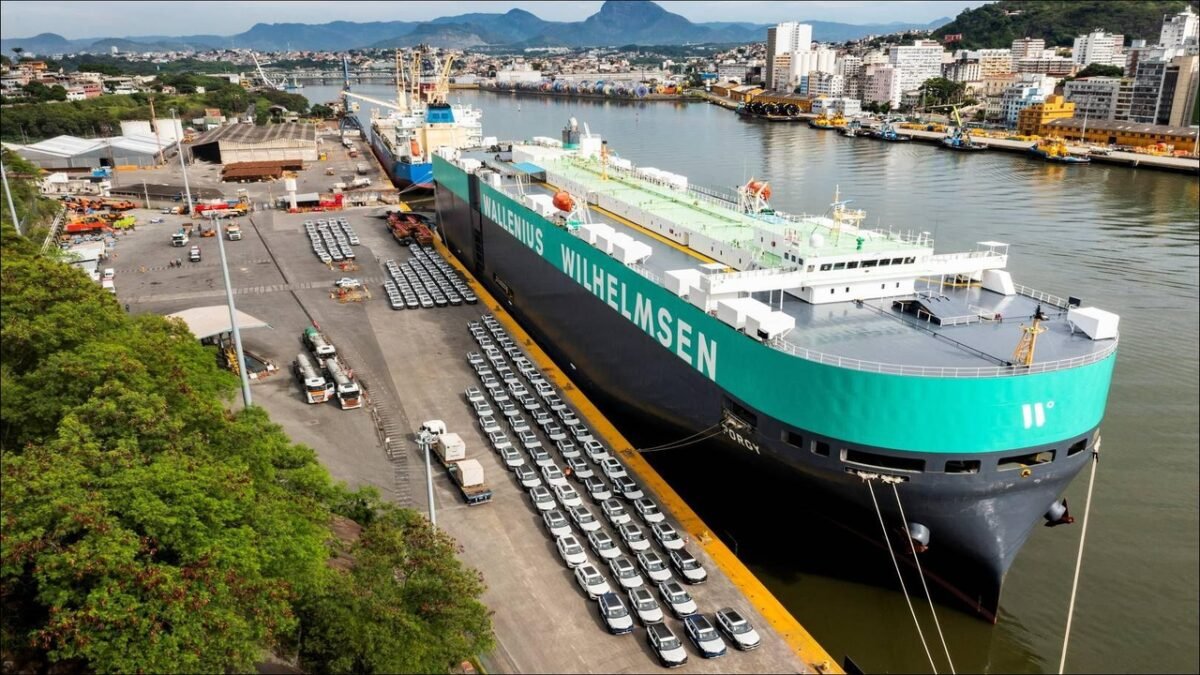
In response to these challenges and the broader industry push towards sustainability, innovation is becoming increasingly vital. The maritime sector is actively exploring and adopting advanced technologies to enhance operational efficiency and reduce environmental impact. For instance, concepts like Wallenius Wilhelmsen’s ‘Oceanbird’ wind sail technology exemplify the industry’s commitment to exploring sustainable shipping solutions, aiming to decrease fuel consumption and emissions, aligning with global environmental regulations and corporate social responsibility goals.
Modern car carriers, including those ordered by Sallaum, are likely to feature advanced propulsion systems, optimized hull designs, and smart navigation technologies, alongside digital solutions for cargo tracking and fleet management. These advancements contribute to lower operational costs, improved safety, and enhanced reliability of vehicle transport services. The ability to adapt quickly to changing market conditions and regulatory frameworks, emphasizing agility and flexibility, is a key differentiator for success in this sector, ensuring resilient and efficient supply chains.
Sallaum’s Position and Future Outlook in Maritime Transport
With this significant fleet expansion, Sallaum Lines is clearly reinforcing its competitive position within the specialized car carrier segment. Adding up to six new vessels will substantially boost its carrying capacity, allowing the company to offer enhanced frequency, broader geographical coverage, and increased reliability to its clients. This strategic investment is designed to meet the rising demand from automotive manufacturers who require seamless and efficient logistics partners for their global distribution networks, thereby solidifying Sallaum’s reputation as a dependable maritime transport provider.
This move positions Sallaum as a more formidable player, capable of challenging established market leaders and capturing a larger share of the lucrative vehicle shipping market. Increased capacity enables greater flexibility in route planning and vessel deployment, which is crucial for optimizing voyages and minimizing transit times. The ability to offer a more robust and dependable service is a significant advantage in attracting and retaining major automotive contracts.
The future outlook for Sallaum appears optimistic, predicated on continued growth in the global automotive industry and the strategic foresight demonstrated by this fleet expansion. As vehicle production continues to grow in diverse regions and demand for both traditional and electric vehicles remains strong, the need for specialized Ro-Ro (Roll-on/Roll-off) vessels will persist. Sallaum’s timely investment ensures it is well-equipped to navigate the evolving market dynamics and capitalize on future opportunities while achieving better economies of scale and improved environmental performance.
Economic Implications and the Broader Maritime Market
Sallaum’s substantial investment in new car carriers reverberates beyond the company itself, sending positive signals across the broader maritime economy. Such large-scale newbuild orders inject significant capital into the shipbuilding industry, supporting shipyards and their extensive supply chains globally. This, in turn, can stimulate job creation in manufacturing, engineering, and various support services, contributing to regional economic growth, particularly in shipbuilding hubs like China.
The expansion also reflects a general sense of optimism within the specialized shipping sectors. Similar to positive trends observed in other maritime segments, the car carrier market is benefiting from strong underlying fundamentals. Increased global trade volumes, coupled with specific demand drivers for vehicle logistics, create a favorable environment for maritime investments and fleet renewals, helping to stabilize freight rates in the long term for automotive manufacturers and global consumers.
This continuous investment in new vessel capacity underscores the essential role of maritime transport in facilitating global commerce. The ability to move large volumes of goods, particularly high-value items like vehicles, across vast distances efficiently and reliably, is a cornerstone of the global economy. Sallaum’s strategic fleet enhancement is therefore not just a corporate decision, but a vital contribution to the fluidity and robustness of international trade, ensuring that vehicles can reach markets worldwide effectively and promptly.